The Importance of Compassionate In-Home Care for Seniors
As populations age across the world, families are increasingly searching for senior care solutions that balance independence, safety, and emotional well-being. While nursing homes and assisted living facilities can provide structure, many seniors prefer to remain in the comfort of their own homes. In-home care has become one of the most trusted options because it allows elderly individuals to maintain familiar routines while receiving professional support. Services like Sandra’s Huusengel focus on providing compassionate, live-in care that prioritizes dignity, comfort, and personal connection.
Why In-Home Senior Care Is Growing in Demand
In-home care has gained popularity because it addresses both physical and emotional needs. Seniors often feel more secure when surrounded by familiar environments, neighbors, and personal belongings. This sense of comfort reduces anxiety and supports mental well-being. Professional caregivers assist with daily activities such as meal preparation, hygiene, medication reminders, and mobility support, allowing seniors to live safely at home without sacrificing independence.
Emotional Benefits of Staying at Home
Remaining at home helps seniors preserve their identity and sense of control. Familiar surroundings promote emotional stability and reduce feelings of loneliness or disorientation. Many elderly individuals struggle when removed from their home environment, which can accelerate cognitive decline. Personalized in-home support ensures seniors receive attention, companionship, and respect—elements that are essential for maintaining a high quality of life.
The Role of Professional Live-In Caregivers
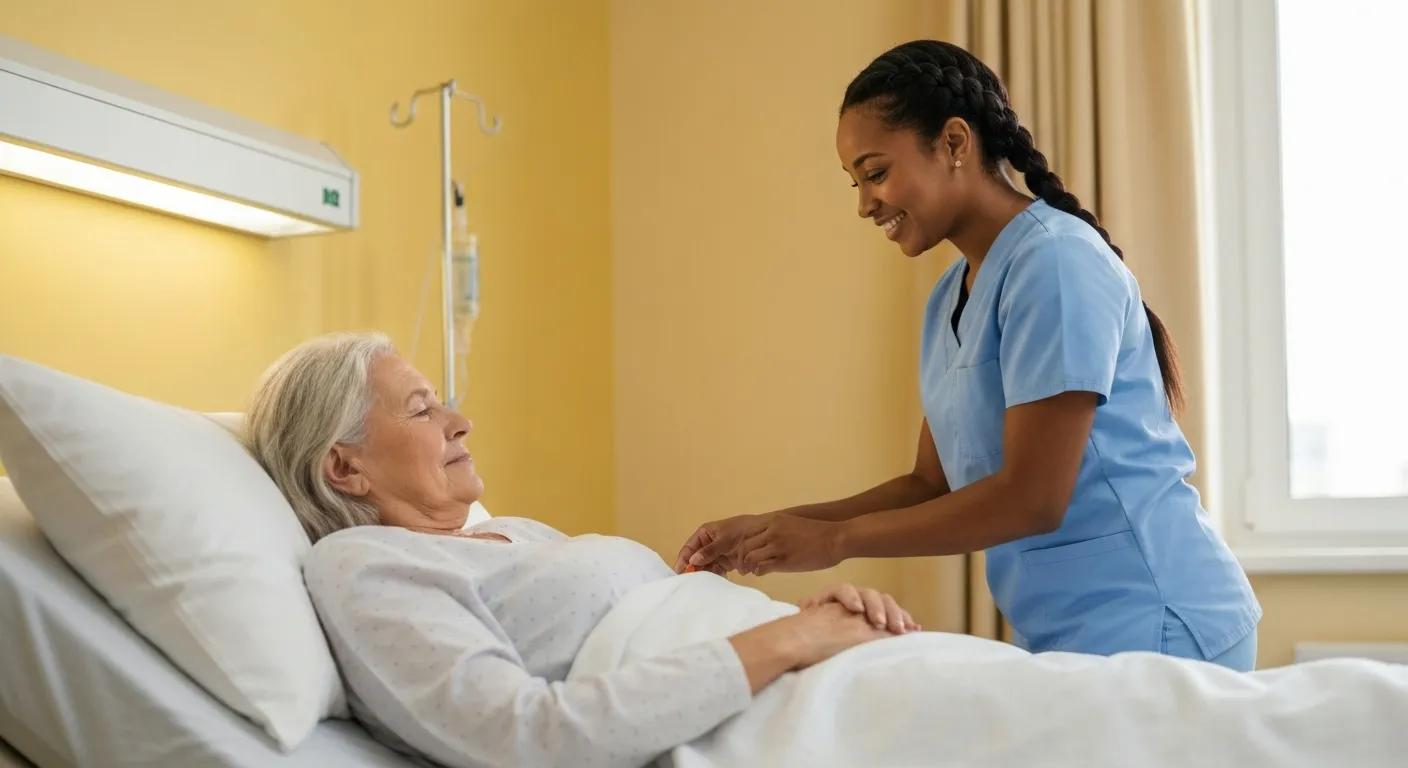
Live-in caregivers offer continuous support, providing peace of mind to both seniors and their families. These professionals are trained to handle mobility challenges, chronic conditions, and daily routines while offering emotional companionship. Unlike rotating staff in institutional settings, live-in caregivers develop strong bonds with seniors, creating trust and consistency that improve overall care outcomes.
Supporting Independence While Ensuring Safety
One of the greatest advantages of in-home care is its balance between independence and safety. Seniors can continue their daily habits—such as cooking, gardening, or light exercise—while receiving supervision and assistance when needed. Caregivers help prevent accidents, manage medications, and respond quickly to emergencies, reducing risks commonly associated with aging alone.
Personalized Care Tailored to Individual Needs
Every senior has unique requirements based on health conditions, mobility, and personal preferences. In-home care allows for fully customized support plans. Whether assistance is needed for dementia care, post-surgery recovery, or daily companionship, personalized care ensures that seniors receive exactly what they need without unnecessary restrictions.
The Importance of Compassion in Elderly Care
Beyond physical assistance, compassionate care is essential for emotional health. Seniors often face feelings of isolation, grief, or anxiety. Caregivers who approach their role with empathy and patience can significantly improve emotional well-being. A kind, understanding caregiver can become a trusted companion, offering reassurance and comfort during daily life.
Family Peace of Mind Through Reliable Care
For families, knowing their loved ones are safe and supported brings immense relief. In-home care allows family members to stay involved without the constant stress of caregiving responsibilities. Regular communication with caregivers helps families remain informed and confident in the care being provided.
Cultural Sensitivity and Respect in Senior Care
Quality senior care also respects cultural values, traditions, and personal beliefs. Seniors feel more comfortable when caregivers understand their background, language preferences, and lifestyle habits. This cultural sensitivity strengthens trust and enhances the caregiving relationship, ensuring seniors feel valued and understood.
Long-Term Benefits of In-Home Care
Long-term in-home care supports healthier aging by promoting routine, emotional stability, and personalized attention. Seniors who receive consistent, compassionate care often experience improved mood, better physical health, and stronger social connections. This holistic approach to aging enhances overall life satisfaction.
Conclusion
In-home senior care provides a powerful alternative to traditional institutional care by combining safety, independence, and emotional support. With professional caregivers offering personalized, compassionate assistance, seniors can continue to live fulfilling lives within their own homes. Services like Sandra’s Huusengel demonstrate how dedicated, heart-centered care can significantly improve the quality of life for elderly individuals while giving families confidence and peace of mind.