How Neighborhood Amenities Influence Property Value
Key Takeaways
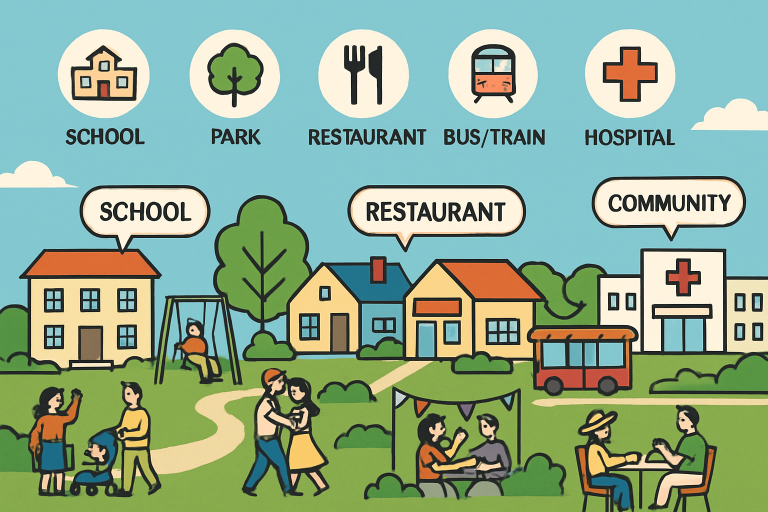
- Neighborhood amenities have a significant impact on both the quality of life and property value.
- Proximity to high-performing schools remains a top driver of home desirability and resale potential.
- Access to parks, green spaces, and recreational areas enhances well-being and attracts buyers.
- Convenient shopping, dining, and efficient public transportation improve daily living and long-term appeal.
- Healthcare facilities and active community engagement foster stability, growth, and stronger home values.
Introduction
Finding the perfect home involves more than evaluating square footage or curb appeal. Increasingly, buyers are considering the overall community and what it has to offer. The presence of outstanding neighborhood amenities can make or break a property’s appeal, influencing not just comfort but also future resale value. For those navigating this complex process, a Lake Norman, NC real estate agent Southern Charm Realty and Retreats can offer local expertise in neighborhoods where amenities make a real difference in home values.
Whether it’s the quality of local schools, access to parks and green spaces, nearby retail and dining options, or even healthcare and transit, these features collectively create a lifestyle that is often reflected directly in property prices. When considering your next move, factoring in such amenities could lead to better satisfaction and financial benefits over time.
Proximity to Quality Schools
One of the strongest indicators of a property’s long-term value is its location within a recognized school district. Parents are willing to pay a premium for homes close to high-performing public and private schools, knowing that their children’s education may benefit. According to a 2025 analysis by Realtor.com, homes in top-rated school districts had a median list price of $1.21 million, more than double the metro-wide median of $514,894. This significant premium highlights the importance homebuyers place on quality education.
Access to Parks and Green Spaces
Parks and recreational areas are increasingly prioritized by families, retirees, and young professionals alike for the benefits to physical and mental health. Properties that border or lie within walking distance of green spaces tend to command higher prices. These amenities not only foster a vibrant community but are also associated with lower crime rates and increased community well-being. According to The New York Times, demand for homes near parks surged dramatically following the pandemic, underscoring the growing desirability of access to outdoor amenities.
Convenient Shopping and Dining Options
A diverse mix of shopping, grocery, and dining options within a community can significantly impact home values. Convenience is a top priority for today’s buyers, especially those with busy schedules. Neighborhoods with walkable or nearby commercial centers offer everyday convenience and often become social gathering hubs, fostering a sense of community and security, and even attracting development and further investment to the area.
For those assessing potential neighborhoods, amenities such as shopping and dining establish an essential baseline for both current enjoyment and long-term property appreciation. Trends indicate that properties in mixed-use areas tend to have steadier demand, even during economic fluctuations, compared to those in isolated, less-developed regions.
Efficient Public Transportation and Commute Times
Access to efficient public transportation—be it bus lines, light rail, or major commuter highways—is a priority for many buyers, especially professionals commuting to urban job centers. Proximity to mass transit not only saves time but also contributes to lower transportation costs and a reduced environmental impact. Studies published by Forbes reveal that homes within convenient reach of public transport often appreciate more quickly and sell faster than those without such access.
Shorter commute times also translate into improved work-life balance, a benefit recognized by both buyers and real estate investors. For prospective homeowners, evaluating local transit options provides insight not only into daily life but also into the long-term desirability of a property.
Healthcare Facilities and Services
Access to quality healthcare has a noticeable impact on property values, particularly for families with young children, the elderly, or individuals with specific health needs. Residences near hospitals, urgent care centers, and specialty medical services attract buyers seeking peace of mind and convenience.
Moreover, new healthcare developments within a community can signal growth and increased investment, further benefiting property owners as demand grows. Cities and suburbs with robust healthcare infrastructure generally experience faster property appreciation and attract a broader range of residents.
Community Engagement and Social Activities
Neighborhood culture and opportunities for engagement often act as a “soft” but powerful amenity. Communities that host regular farmers’ markets, outdoor concerts, yoga in the park, or annual street fairs foster bonds among residents and create an environment that appeals to families and individuals seeking to expand their social networks. These events contribute to a strong sense of belonging and shared investment in neighborhood well-being, both of which drive interest and competitive home pricing.
Active neighborhoods are not just enjoyable—they are also resilient, often showing steadier home values even in fluctuating real estate markets.
Final Thoughts
When evaluating a potential home purchase or investment, it is crucial to take a comprehensive look at the surrounding amenities. Features such as top-rated schools, abundant green spaces, convenient retail, access to public transportation, and a vibrant social scene all shape the neighborhood’s character and directly influence property values. Buyers and sellers alike should recognize that these factors aren’t just perks—they are fundamental components of a home’s present and future worth. The right neighborhood amenities create more than comfort; they build lasting financial value and a better quality of life for all residents.
- When a Mobile App Should Take Over the Screen: Full-Screen Overlay UX Practices for 2026
- Before You Fall In Love With A South Florida Waterfront Home: A 2026 Buyer’s Due-Diligence Checklist
- Selling Your House in Franklin, New Hampshire: A Comprehensive 2026 Guide
- How to Reduce Stress When Selling Your Home: A Practical Guide
- Top 5 Water Treatment Companies in Delaware for 2026