
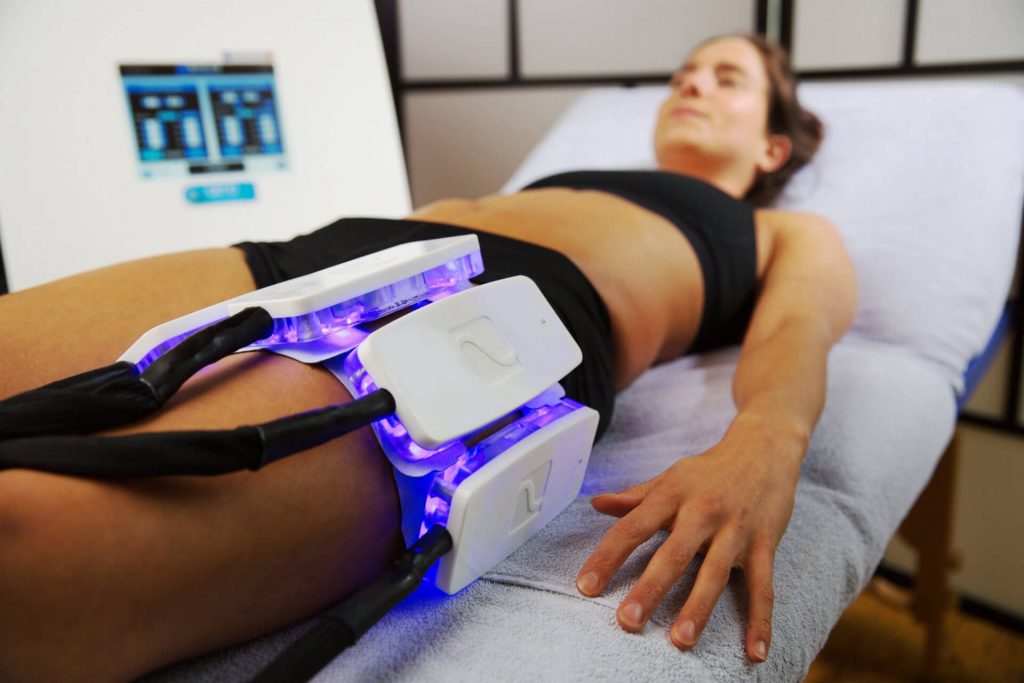
Issues That Cryoablation Treats
Cryoablation is a minimally invasive treatment that uses extreme cold to destroy targeted tissue. It may be used in a range of medical settings to address certain abnormal growths, lesions, or other conditions, depending on the patient’s diagnosis and overall treatment plan. Here are some issues that cryoablation treats:
Recognizing Treatable Cancers and Tumors
Doctors frequently use cryoablation to target different types of abnormal cell growths. The following are specific tumors and cancers that respond well to this targeted cold therapy:
- Kidney tumors: Medical teams apply intense cold to destroy cancerous cells within the kidneys.
- Lung and chest tumors: Physicians use the procedure to manage growths in the respiratory system.
- Liver tumors: Specialists freeze targeted areas of the liver to halt cancer progression.
- Cervical cancer: Gynecologists treat abnormal cervical cells by freezing the affected tissue.
- Bone pain: Doctors use this therapy as a palliative treatment to relieve discomfort caused by bone metastases.
These applications demonstrate the versatility of the procedure across various medical disciplines.
Addressing Heart Rhythm Problems
Cardiac specialists use cryoablation to treat irregular heartbeats, known as arrhythmias. The heart relies on precise electrical signals to pump blood effectively, but abnormal tissues can disrupt this fundamental process. Doctors guide a specialized catheter to the heart, and they freeze the specific cells causing the electrical malfunction.
This freezing process creates a small scar inside the heart tissue. The resulting scar tissue blocks the abnormal electrical pathways, which restores a regular heart rhythm for the patient. Cardiologists carefully map the heart’s electrical activity before they begin cryoablation. The precise application of cold energy allows the doctor to treat the arrhythmia while protecting the healthy parts of the heart muscle.
Choosing Cryoablation
Medical professionals often recommend cryoablation as a viable alternative to traditional surgical operations. Here are situations where doctors may recommend this minimally invasive approach:
- Inoperable tumors: Patients who cannot undergo surgery may receive freezing therapy to manage their condition.
- High surgical risk: Individuals with severe underlying health issues often benefit from this procedure.
- Palliative care needs: Doctors use cryoablation to reduce pain and improve the quality of life for advanced cancer patients.
Healthcare teams evaluate these factors closely to come up with the best therapeutic strategy.
Evaluating Condition and Location
The specific medical condition and the physical location of the diseased tissue dictate the success of cryoablation. Some tumors reside deep within the body, which requires advanced imaging techniques to guide the cryoprobe accurately. The size of the abnormal growth also influences the treatment plan, as larger masses may necessitate multiple freezing cycles.
Doctors must assess the proximity of the targeted tissue to major organs and blood vessels. Treating a liver tumor requires extreme precision to avoid damaging the surrounding healthy liver tissue. The medical team uses real-time X-ray guidance during the procedure, allowing them to monitor ice ball formation continuously. A thorough preoperative evaluation allows the interventional radiologist to anticipate potential challenges and optimize the overall outcome.
Schedule Your Cryoablation Consultation Today
Cryoablation offers a minimally invasive solution for treating various tumors, cancers, and cardiac arrhythmias. The procedure uses targeted freezing gas to destroy diseased tissues, which provides a safer alternative for patients who cannot undergo traditional surgery. The condition type and the treatment location heavily influence the clinical approach and the expected recovery process. Contact a qualified interventional radiologist near you to schedule your cryoablation consultation today.
- When a Mobile App Should Take Over the Screen: Full-Screen Overlay UX Practices for 2026
- Before You Fall In Love With A South Florida Waterfront Home: A 2026 Buyer’s Due-Diligence Checklist
- Selling Your House in Franklin, New Hampshire: A Comprehensive 2026 Guide
- How to Reduce Stress When Selling Your Home: A Practical Guide
- Top 5 Water Treatment Companies in Delaware for 2026