
Veneers are designed to improve the appearance of teeth, but achieving successful results often depends on more than choosing a brighter or more uniform look. Customization plays a significant role in creating veneers that match a patient’s facial features and overall aesthetic goals. Factors such as size, color, contour, and alignment must be carefully reviewed to achieve a natural and balanced outcome. Here’s a closer look at customization in veneer design:
Matching Veneers to Features
Facial structure plays a key role in the creation of dental restorations. Dentists assess the symmetry of the face, and they measure the proportions of the mouth. When professionals evaluate these physical features, they design veneers that align with the natural framework of the patient’s face. Here’s how they match veneers to features:
- Face shape: Providers adapt the length and width of the restoration to match the facial profile.
- Lip line: Practitioners observe the resting position of the lips to determine tooth visibility.
- Gum contour: Clinicians map the gum line to make sure the final placement aligns naturally with the surrounding tissue.
These assessments are helpful during the initial planning phase of the treatment. The gathered data guides the manufacturing process of veneers, and it informs the physical shape of the final restoration.
Selecting Shade and Detail
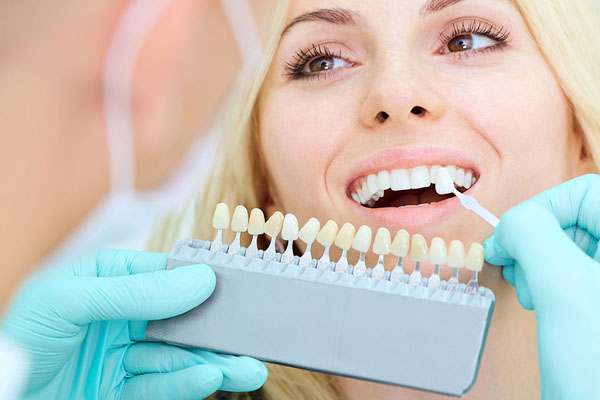
Color selection is a fundamental step in comprehensive dental planning for veneers. Dentists evaluate the color of adjacent natural teeth, and they select materials that replicate that specific hue. When they assess the available options, providers use standardized shade guides to identify the exact color match for the patient.
Surface texture often influences light reflection on the dental material. Natural teeth feature minor vertical ridges, and professionals recreate these microscopic details on the surface of the restoration. If the surface is too smooth, the final product reflects light in an artificial manner that looks unnatural to observers.
Designing for Comfort
Dental restorations must align accurately with the natural bite, or the patient may experience discomfort during routine chewing. Here are some of the factors dentists evaluate when designing veneers for comfort:
- Bite alignment: Technicians calculate the physical contact points between the upper and lower teeth.
- Speech patterns: Dentists evaluate how the length of the restoration affects phonetics and pronunciation.
- Material thickness: Professionals minimize the bulk of the ceramic to maintain a natural feel in the mouth.
Functional design prevents long-term structural issues with the dental application. Proper alignment distributes biting pressure evenly across the jaw, and this can prevent premature wear on the delicate materials.
Personalizing Treatment Goals
Every dental treatment requires a customized plan; dentists review the patient’s objectives and outline the steps needed for the procedure. While some individuals request minor adjustments, others contemplate comprehensive changes to their dental structure. Clear communication is a fundamental component of this preliminary phase. Patients share their structural preferences, and providers explain the physical limitations of veneers. If a specific request compromises oral function, the dentist suggests an alternative approach that maintains complete structural integrity.
Schedule Your Appointment for Veneers
Customization often dictates the functional success of a dental restoration, such as veneers. The fabrication process requires precise measurements, and it involves a detailed analysis of facial and dental structures. When professionals evaluate the shade, texture, and functional requirements, they create a device that aligns perfectly with the patient’s anatomy. Contact a professional cosmetic dentist near you to schedule your appointment for veneers today.

