
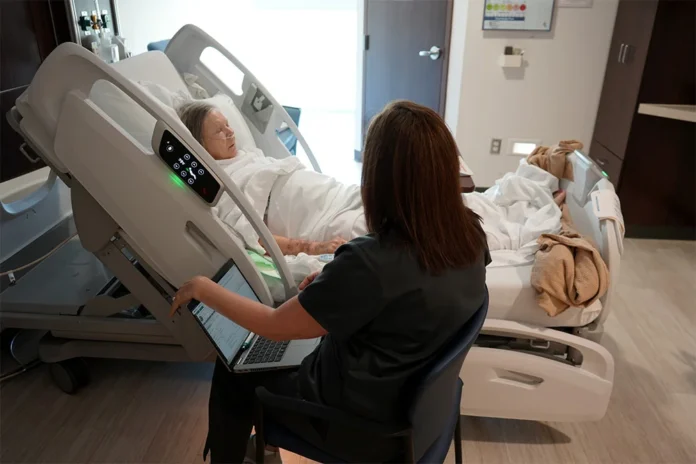
An internist plays a key role in diagnosing, treating, and managing a wide range of adult health conditions, especially when multiple or complex issues are involved. They are trained to examine the full picture of a patient’s health, coordinate care, and develop treatment plans that address immediate concerns and long-term needs. Here’s more information on how an internist helps manage complex health issues:
Evaluating Adult Health
Adult health often involves overlapping symptoms that require an organized approach for accurate diagnosis. A single symptom may point to various underlying issues, but an internist uses comprehensive testing to identify the exact cause. Patients benefit from the thorough process, which enables the physician to develop a clear strategy.
Medical evaluations involve gathering extensive data, and this information is key in forming an accurate picture. Standard testing procedures provide precise metrics, and doctors use these results to track physiological changes over time. When a patient presents with vague symptoms, the internal medicine doctor rules out potential conditions until a definitive diagnosis is reached.
Managing Multiple Conditions
Patients often experience several health conditions simultaneously, and addressing them requires an integrated approach. An internist organizes these overlapping treatments into a cohesive plan, which minimizes the risk of medication conflicts. Here’s how they manage multiple conditions:
- Medication management: A doctor reviews all prescribed medications to make sure that drug interactions do not compromise patient safety.
- Symptom tracking: Physicians regularly monitor physiological indicators, and this ongoing monitoring helps them adjust treatments promptly.
- Dietary integration: Nutrition plays a key role in recovery, and doctors align dietary recommendations with specific metabolic needs.
- Progress evaluation: Standardized tests measure the effectiveness of the treatment, which allows the medical team to refine their strategy.
A centralized care strategy stabilizes the patient’s overall health metrics. Addressing all conditions concurrently helps doctors optimize the healing process.
Coordinating Specialist Care
Complex medical cases frequently demand the expertise of various specialists. An internist acts as the primary clinical coordinator, and they facilitate clear communication among different medical departments. If a patient requires cardiovascular and neurological assessments, the internal medicine doctor compiles the resulting data into a single file. This centralized record-keeping is fundamental for maintaining objective continuity of care.
Clear communication prevents procedural redundancy, and it protects patients from unnecessary physical examinations. The coordinating physician reviews specialist notes carefully, which helps them integrate new findings into the primary care strategy. They also manage the scheduling of follow-up tests to maintain a steady timeline.
Supporting Long-Term Stability
Preventive medicine establishes a foundation for continued physical stability. Doctors implement proactive strategies to mitigate future health risks, and they rely on data-driven assessments to guide these decisions.
- Routine screenings: Scheduled testing detects anomalies early, which provides a key window for intervention.
- Immunization tracking: Maintaining updated vaccination records prevents the onset of communicable diseases.
- Lifestyle modifications: Physicians recommend specific adjustments to daily habits that directly target known risk factors.
- Metric monitoring: Tracking blood pressure and glucose levels establishes a baseline, which makes subtle variations easier to identify and treat.
Continuous observation is a fundamental component of effective preventative care. Doctors analyze long-term health trends, and the objective data guides ongoing clinical recommendations.
Visit a Local Internist Today
An internist provides structured and precise medical management for adults facing complex health challenges. They coordinate specialist treatments, and they establish cohesive strategies that address multiple conditions simultaneously. Contact a qualified internist in your area to schedule your appointment today.

