
Key Takeaways
- Routine professional dental care is fundamental for sustaining long-term oral health.
- Preventive treatments like scaling and root planing are effective for managing gum disease and preserving teeth.
- Dental hygienists provide vital education about how oral health influences overall health.
- Technological innovations support early detection, better prevention, and improved patient experiences.
Good oral health goes beyond a bright smile; it plays a crucial role in overall well-being. Daily habits like brushing, flossing, and a balanced diet lay the foundation for healthy teeth and gums, but maintaining long-term oral health often requires more than just at-home care. Regular checkups and preventive measures are key to identifying potential issues early and avoiding complex treatments later. Professional guidance ensures that oral hygiene routines are effective and tailored to individual needs, supporting both dental and general health over time.
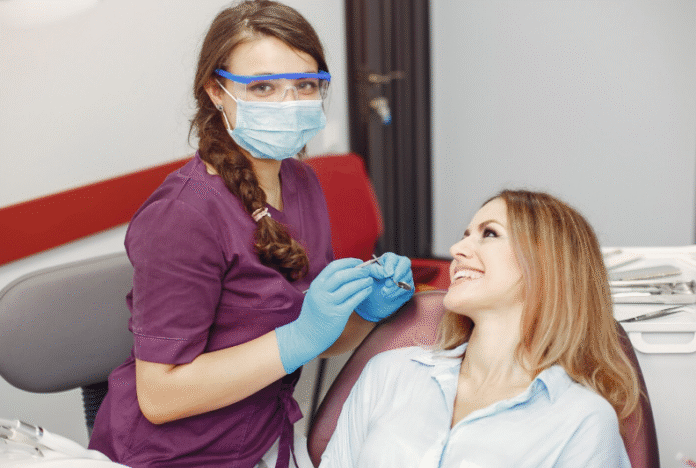
Incorporating the expertise of the best dentist into your routine can make a significant difference in sustaining healthy teeth and gums. They provide personalized assessments, professional cleanings, and preventive care advice, ensuring that minor concerns don’t become major problems. With consistent professional care, individuals can maintain a functional, healthy, and confident smile for years to come, reinforcing the importance of combining daily practices with expert oversight.
Importance of Professional Dental Care
Regular visits to dental professionals are essential for early detection of oral health issues, such as cavities, gum disease, and even oral cancer. Dentists use their expertise and specialized tools to identify and address small problems before they become complex or painful, promoting a healthier smile and reducing the need for costly treatments.
According to the American Dental Association, regular dental exams and professional cleanings are proven ways to reduce the risk of tooth loss and other systemic health problems associated with poor oral hygiene. Proactive professional care also helps patients establish lifelong habits that are important for overall wellness, supporting not just oral health but also heart, respiratory, and metabolic health.
Preventive Treatments for Oral Health
Scaling and root planing, among other preventive procedures, are essential for managing and controlling periodontal or gum disease. These treatments remove hardened tartar and bacteria that daily brushing and flossing cannot reach, reducing gum inflammation and halting the progression of disease. Research published in Quintessence International shows that diligent periodontal maintenance therapy greatly improves the chances of preserving your natural teeth over time.
Fluoride treatments, dental sealants, and regular deep cleanings are additional preventive services that help protect enamel, stop decay, and guard hard-to-reach areas from bacteria. Consistent preventive care has been shown to reduce the need for more extensive interventions and lower treatment costs over time.
Role of Dental Hygienists
Dental hygienists play a vital role in patient care and education. Their expertise helps you understand the best practices for oral hygiene at home, including brushing techniques, flossing methods, and dietary choices that affect your dental health. Today, dental hygienists are also champions of the mouth-body connection, explaining how oral health directly affects your general health outcomes by reducing systemic inflammation and related complications.
Organizations like PDS Health highlight the expanding role of dental hygienists as trusted advisors who help patients interpret dental advice and follow through with preventive measures. These professionals not only clean your teeth but also provide personalized recommendations tailored to your unique risks and needs.
Advancements in Preventive Dentistry
Modern dentistry has evolved with new technologies designed to improve preventive care outcomes. Electric toothbrushes and water flossers now make oral hygiene easier and more effective, especially for individuals with limited dexterity or orthodontic appliances. Smart oral health devices can track your habits, providing feedback and recommendations via mobile apps to help you make the right choices each day.
In the dental office, digital imaging and diagnostic tools, such as intraoral cameras and low-radiation X-rays, enable early detection of cavities, soft-tissue changes, and other problems that may not be visible to the naked eye. These advancements enable earlier intervention, less invasive procedures, and greater patient comfort at every stage of care.
Personalized Treatment Plans
No two mouths are exactly alike, so dental professionals carefully assess your unique risk factors, medical history, and lifestyle to develop a treatment plan just for you. This may involve more frequent cleanings, specific advice for sensitive teeth, or targeted interventions for gum recession or early-stage decay. By customizing care, dentists and hygienists help you avoid repeat problems and maximize the success of your treatments.
Personalized care empowers you to make well-informed choices and maintain motivation for routine self-care. By addressing your individual oral health concerns, your dental team helps you achieve the best possible outcomes now and in the long term.
Convenient Access to Dental Care
Conveniently located dental offices, flexible appointment options, and reminder systems support adherence to regular visits. Consistent professional care is only effective if you can maintain it year after year without unnecessary obstacles. Clinics that offer online booking, extended hours, and digital communication help patients keep their appointments and foster long-term relationships with their care providers.
Missed appointments and lapses in care increase the risk of developing advanced dental problems, which may require more extensive interventions. Ensuring easy access to dental services keeps you continually moving towards optimum oral health and minimizes the barriers to regular care.
Conclusion
Maintaining oral health throughout your life is a shared commitment that requires regular personal and professional attention. By working with dental experts, embracing preventive care, staying informed through ongoing education, and utilizing today’s technological advances, you lay the foundation for a healthy, confident smile and improved overall wellness for years to come.
- How Quick Home Sales Shape Today’s Real Estate Market
- Maintaining Long-Term Oral Health with Professional Care
- Contemporary Information Corp: Strengthening Real Estate Decisions Through Tenant Screening
- Chiropractic Techniques for Relieving Chronic Neck Pain
- Decoding White Lines in Your Mouth: Common Causes and When to Seek Help

