
Key Takeaways
- Include foods rich in probiotics to encourage a healthy vaginal microbiome.
- Stay hydrated and eat antioxidant-packed produce for robust tissue health.
- Add regular movement and pelvic floor exercises to enhance circulation and muscle tone.
- Wear breathable fabrics, practice gentle hygiene, and limit chemical exposure.
- Use stress-reduction practices to sustain hormonal balance and resilience.
Table of Contents
- Dietary Choices for Vaginal Health
- Hydration and Antioxidant Intake
- Physical Activity and Pelvic Floor Exercises
- Clothing and Hygiene Practices
- Stress Management and Hormonal Balance
- Regular Health Check-ups
- Conclusion
Maintaining vaginal health is essential for your overall well-being, and adopting a holistic approach can help you feel your best every day. A combination of balanced dietary habits, mindful lifestyle practices, and attentive self-care supports natural wellness and addresses issues such as vaginal itching without relying solely on medication. A holistic approach means considering your physical, mental, and emotional health as interconnected, and caring for your body in ways that support all aspects of wellness. Adopting thoughtful daily practices enhances the ability to detect early signs of bodily imbalance and allows for quick response, potentially preventing discomfort or complications. This holistic approach underscores the importance of nurturing habits that support overall well-being. By focusing on nutrition, hydration, pelvic health activities, and gentle hygiene routines, individuals can create a strong foundation for enduring comfort and balance. Simple yet effective methods like eating well, staying active, and prioritizing self-care significantly bolster the body’s natural defenses. Additionally, managing stress is crucial for maintaining hormonal function and supporting vaginal health. By learning to listen to the body and adopting holistic practices, one promotes inner harmony and resilience through life’s transitions.
Dietary Choices for Vaginal Health
Your daily meals play a powerful role in shaping vaginal health. Foods rich in probiotics, including plain yogurt, kefir, sauerkraut, and miso, offer beneficial bacteria. These live cultures—especially Lactobacillus species—can help maintain a healthy vaginal pH and crowd out unwanted bacteria. As a result, you may notice more comfort and resilience day to day, since a balanced vaginal environment is less likely to experience itching or odor. Always scan labels for “live and active cultures,” such as L. rhamnosus or L. reuteri, when choosing probiotic options.
Eating a diet rich in fiber and colorful vegetables also supports healthy digestion, which is closely linked to your entire microbial ecosystem. High-fiber foods, such as leafy greens, whole grains, and legumes, help regulate blood sugar and support regular elimination, minimizing the risk of irritation or infection. Fiber also acts as “food” for good bacteria, supporting overall microbial diversity. A varied, nutrient-rich diet fortifies the body’s natural defenses, helping your immune system work efficiently.
Hydration and Antioxidant Intake
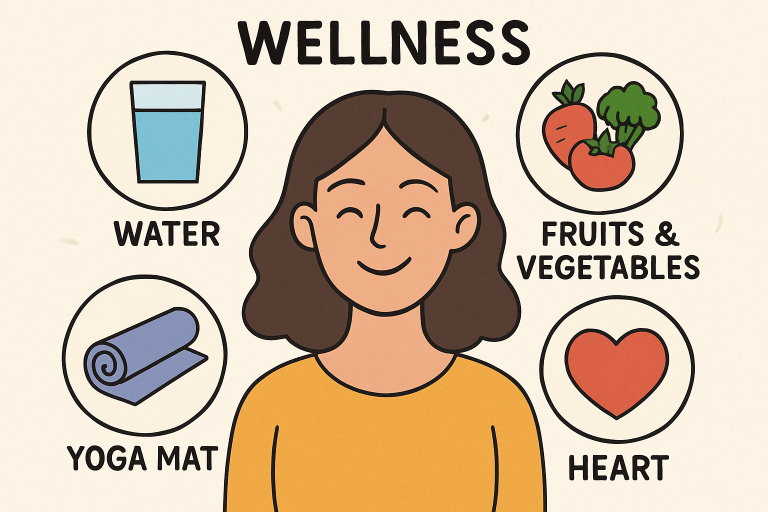
Maintaining proper hydration is essential for healthy mucous membranes, including vaginal tissues. It is generally recommended to drink 8 glasses of water daily and to consume hydrating fruits and vegetables, such as cucumbers and oranges. Dehydration may cause dryness and sensitivity, so consistent water intake is crucial for comfort. Everyday habits, such as spending excessive time in heated indoor spaces or consuming high levels of caffeine, can lead to unnoticed dehydration. Additionally, antioxidant-rich foods like berries, kale, and citrus help reduce inflammation and support immune function, particularly during hormonal changes like post-pregnancy and menopause. Nourishing foods and sufficient hydration contribute to the resilience of vaginal tissues against infections and irritants.
Physical Activity and Pelvic Floor Exercises
Movement helps maintain strong circulation throughout your body, including the pelvic region, which supports healthy cell renewal and tissue function. Activities like brisk walks, swimming, yoga, and Pilates improve overall health while encouraging blood flow to the pelvic floor. Exercise can also prevent stagnation and help reduce inflammation, supporting overall comfort.
Specific exercises, such as Kegels, which involve contracting and relaxing the pelvic floor muscles, help maintain muscle strength. This can positively affect bladder control and promote healthy vaginal tone. Strong pelvic muscles provide important support for pelvic organs, which can help prevent urinary incontinence, prolapse, or discomfort during sex. If you’re new to pelvic floor exercises, you might try following online tutorials or speaking to a physical therapist specializing in women’s health. Aim for a mix of moderate aerobic exercise and targeted pelvic floor work a few times a week for the best results and ongoing vitality.
Clothing and Hygiene Practices
Your clothing and self-care habits directly influence vaginal comfort. Choose breathable, natural fabrics like cotton underwear to allow airflow and wick away moisture. Avoiding tight clothing or synthetic fabrics for extended periods reduces the risk of trapping moisture and heat, which can encourage unwanted bacterial growth. Change out of wet clothing soon after swimming or working out to prevent irritation. Allowing the vulva to “breathe” at night by wearing loose pajamas, or even skipping underwear, can also be soothing for some people.
When showering or bathing, select gentle, fragrance-free cleansers, and avoid scented or harsh products that can disrupt your natural pH. Feminine hygiene sprays or douching can do more harm than good, so keep your hygiene routine as simple as possible. Wash clothing with unscented detergents, and keep hygiene routines simple to avoid unnecessary irritation. Gentle, regular rinsing with warm water is often all that’s needed for daily care.
Stress Management and Hormonal Balance
Ongoing stress can disrupt hormonal balance by elevating cortisol levels, potentially affecting estrogen levels and vaginal resilience. Techniques such as mindfulness meditation, breathwork, and gentle yoga are effective in reducing stress and enhancing emotional well-being, ultimately supporting healthy vaginal tissues. Simple practices, like deep breathing or enjoying a quiet cup of tea, can also help to reset the system. Additionally, regular aerobic exercise fosters both physical and mental balance, thereby building resilience and alleviating the adverse effects of chronic stress. Ensuring good sleep quality, seeking social support, and engaging in restorative activities, such as nature walks or creative hobbies, contribute further to peace of mind and stability in hormone cycles related to vaginal health.
Regular Health Check-ups
Annual gynecological visits are essential for maintaining vaginal health, enabling early detection of changes in discharge, comfort, or tissue appearance. Regular check-ups promote long-term health and provide reassurance throughout different life stages. It is crucial to schedule an appointment if experiencing persistent itching, odor, pain, or discomfort during sex, as early evaluation can identify manageable issues before they escalate. While normal variations in sensations and appearance are typical, ongoing symptoms should be addressed promptly. Embracing holistic practices supports natural vaginal comfort and health, enhancing overall vitality and wellness at every life stage. This proactive approach fosters self-care, confidence, balance, and peace of mind.
Conclusion
Vaginal health is closely connected to the choices you make each day—from the foods you eat and the water you drink to how you move, dress, and manage stress. A nutrient-rich diet with probiotics and fiber supports a balanced microbiome, while proper hydration and antioxidants help maintain resilient, comfortable tissues. Regular physical activity and pelvic floor exercises strengthen internal support systems, and gentle hygiene practices protect the body’s natural pH and defenses. Managing stress and prioritizing quality sleep further promotes hormonal balance and overall well-being.
By combining mindful nutrition, healthy habits, and routine medical check-ups, you create a strong, sustainable foundation for lifelong vaginal wellness. Consistency in these simple, holistic practices empowers you to maintain comfort, confidence, and balance through every stage of life.

