
Home Blog Page 8

Reviewing Gallbladder Removal Techniques

0

The gallbladder stores bile, but people can digest food normally without it. Gallbladder removal is a standard medical procedure performed to resolve specific biliary conditions. Patients benefit from seeking information about the available surgical methods before their operation. Here is more information on this procedure:

What Is Gallbladder Removal?

Gallbladder removal is formally known as a cholecystectomy, and it involves the surgical extraction of the organ. The gallbladder sits under the liver on the right side of the abdomen. Surgeons remove the organ entirely during this procedure, and the liver simply redirects bile directly into the small intestine, resolving gallbladder issues.

Why Is It Conducted?

Physicians recommend this surgery to treat gallstones and to address gallbladder inflammation. Gallstones are hardened deposits of digestive fluid. These blockages lead to abdominal pain, and they sometimes cause secondary bacterial infections.

Some individuals develop polyps on their gallbladder wall. Doctors may remove the organ to prevent potential malignancies from spreading. Pancreatitis can result from migrating gallstones, and a cholecystectomy eliminates this specific risk factor. The clinical evaluation determines the exact medical necessity, with doctors discussing the diagnostic findings with their patients.

What Techniques Are Used?

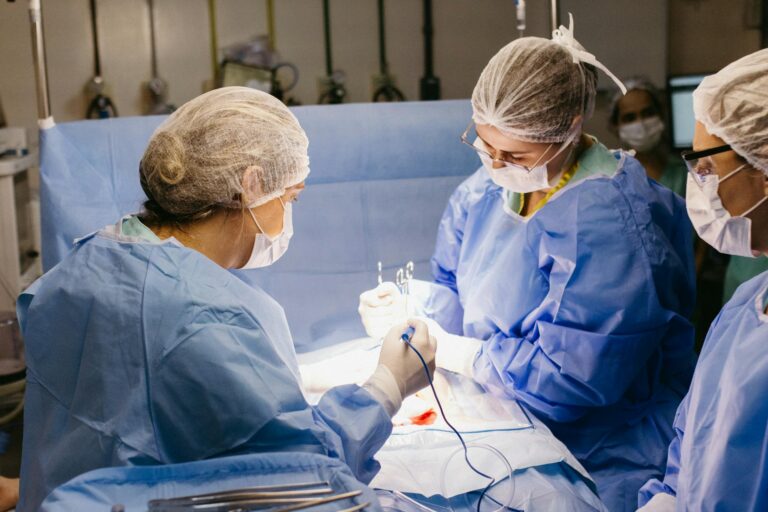
Surgeons may utilize minimally invasive surgical techniques, including the laparoscopic approach. The surgeon makes small incisions in the abdomen to insert a tiny camera. Specialized surgical instruments pass through the other incisions, and the surgeon carefully extracts the gallbladder.

A robotic-assisted approach is another minimally invasive option, providing surgeons with enhanced three-dimensional visualization. The surgeon controls robotic arms from a centralized computer console. This technology translates hand movements into precise instrument adjustments. Both of these minimally invasive methods reduce tissue trauma, and they may result in smaller surgical scars.

What Is Recovery Like?

Recovery timelines vary based on the surgical technique. Minimally invasive procedures may offer a faster return to normal activities, with patients potentially going home the same day. Medical staff provide specific post-operative instructions for home care. These guidelines dictate wound care protocols, and they may outline physical activity restrictions.

Patients gradually transition back to a regular diet, usually beginning with clear liquids and bland foods. Light walking promotes blood circulation, but heavy lifting is prohibited for several weeks. The digestive system adjusts to the absence of the gallbladder over time. Regular bowel habits eventually stabilize, with dietary tolerance returning to baseline levels.

How Is Surgery Beneficial?

The primary benefit is the resolution of gallstone-related pain, with patients experiencing relief from chronic biliary colic. The removal of the organ prevents the formation of new gallstones. It also eliminates the risk of recurrent gallbladder inflammation. This treatment helps prevent severe complications, and it stops gallstones from migrating into the bile ducts.

Quality of life may improve after the recovery period. Individuals can return to their daily routines without unpredictable pain episodes, and dietary tolerance often normalizes over time. Most people consume standard meals without adverse digestive symptoms. The surgery provides a permanent solution to gallbladder disease, which reduces the need for ongoing medical interventions.

Consult a Surgeon Today

Gallbladder removal provides a clinical solution for biliary conditions, which prevents the recurrence of painful gallstones. Understanding the available surgical techniques helps patients prepare for the procedure, and a surgical consultation provides an opportunity to ask questions regarding the operation. Schedule an appointment with a general surgeon today.

How To Prepare for Surgery With a Plastic Surgeon

0

Patients schedule consultations with a plastic surgeon to discuss various medical and cosmetic procedures. This process requires medical evaluation, and patients follow specific guidelines before their scheduled operation. Understanding the sequence of events helps patients plan their recovery appropriately, which promotes proper healing. Here is more information on the plastic surgery process:

What Is a Plastic Surgeon?

A plastic surgeon is a specialized medical doctor who performs cosmetic procedures. Their medical practice focuses on repairing, reconstructing, or altering the human body. Patients seek their expertise for both functional improvements and aesthetic modifications, and this helps improve their quality of life.

What Services Do They Provide?

Plastic surgeons offer a wide range of medical services to address diverse patient needs. Cosmetic surgery focuses on altering anatomy to modify a patient’s physical appearance, and common procedures include skin grafting, breast reconstruction, rhinoplasty, and body contouring. The surgeon evaluates the patient’s goals, enabling them to recommend the most appropriate intervention.

What Does Surgery Involve?

The surgical process begins with a comprehensive consultation to evaluate the patient’s medical history. A surgeon will conduct a physical examination, and the medical team may take pre-operative photographs for reference. Patients may receive details about the anesthesia used during the procedure, facilitating informed decision-making.

Post-operative care is a significant component of the overall surgical process, and patients move to a recovery room immediately following the procedure. Medical staff monitors the patient’s physical signs during this initial period. The surgeon may provide prescriptions for pain management. Follow-up appointments are scheduled to monitor the healing process and remove any sutures.

How Can You Prepare?

Adequate preparation may begin several weeks before the scheduled operation date. Patients must arrange for a responsible adult to drive them home, and they need someone to assist them during the first several hours of recovery. The surgeon will likely request a complete cessation of smoking to promote proper wound healing. Individuals may also pause the use of certain medications or supplements that increase bleeding risks.

Preparing the recovery environment at home contributes to a smooth healing phase. Place required items within easy reach, and set up a comfortable resting area with adequate support pillows. Medical providers may supply a list of required supplies, such as gauze or specialized compression garments, which facilitate healing. Follow specific fasting guidelines before the surgery to prevent complications.

How Is Professional Guidance Beneficial?

Working with a qualified medical professional helps reduce surgical risks, as a certified plastic surgeon can navigate complex anatomical structures. This expertise minimizes potential complications. They tailor the surgical plan to individual physical characteristics and medical histories, promoting safety throughout the operation and recovery.

Professional guidance also sets accurate expectations for the final surgical outcomes, helping the patient know what to expect. The surgeon explains the realistic results of the procedure, and they may outline the expected timeline for the swelling to subside. Patients may receive answers to their medical questions during the consultation phase.

Know What To Expect

Preparing for a medical procedure requires careful planning and clear communication with your medical team. Understanding the specific details of your operation helps make the process more predictable. You must follow all pre-operative instructions, and you benefit from arranging your recovery space in advance. Schedule a consultation with a board-certified plastic surgeon today to discuss your specific needs.

How Podiatry Can Enhance Athletic Performance

0

Podiatry evaluates foot alignment and lower extremity mechanics. Abnormal foot function limits daily movement and can affect athletic performance. Localized muscle responses influence overall motion, so medical professionals conduct biomechanical assessments and prescribe targeted interventions. Practitioners examine foot structure to identify sources of discomfort. The foot is the initial point of contact with the ground, and structural instability triggers a mechanical chain reaction. During physical activity, untreated alignment defects restrict the range of motion, and these irregularities affect joint loading. Proper assessment of foot health contributes to better overall physical performance and can help prevent chronic musculoskeletal issues.

Why Podiatry?

Clinicians who specialize in podiatry perform static and dynamic tests to detect structural alignment deficits. Static assessments measure bodily symmetry while a patient stands, and dynamic assessments analyze gait patterns during walking or running. Medical providers examine joint mobility, and they test localized muscle strength during these evaluations. Structural differences between limbs can alter posture, and compensatory patterns may change how joints bear weight. These measurements confirm initial observations, and they guide therapy planning. When athletes engage in repetitive training, lower limb evaluations identify muscular weaknesses, and the resulting data informs preventive care. In addition, podiatrists may analyze the function of arches and the alignment of the ankles, as these factors directly affect how forces are transmitted through the legs during activity.

Why Supports?

Foot and ankle injuries strain connective tissues. When ligaments loosen from overuse, joints lose stability, and athletes face higher risk of recurring trauma. Ankle braces stabilize the joint, restricting outward rolling motions. Custom foot orthotics distribute body weight evenly across the foot. Footwear or orthotic devices adjust load distribution, and these modifications improve balance. Braces and orthotics also support proper alignment, reducing excessive stress on tendons and joints. If chronic tendon inflammation is present, a rigid brace immobilizes the affected area, and this immobilization supports recovery. Careful evaluation ensures that support devices are tailored to the individual, promoting safe movement patterns and minimizing the risk of injury recurrence.

Why Footwear?

Athletic shoes provide structural support to the foot. Flat footwear lacks arch support, causing the toes to compensate for a lack of stability. Shoes that combine a flexible toe box with a rigid base maintain alignment, and cartilage experiences less strain. Unsupportive shoes allow the arch to collapse. When the arch flattens, tendons are exposed to increased tension. A rigid insole transfers weight toward the big toe, and this efficient load transfer supports forward propulsion. Shoes that fit properly reduce pressure on high-contact areas of the foot, such as the toes and the heel. Selecting footwear with appropriate cushioning and arch support preserves natural biomechanics and reduces the risk of overuse injuries during high-impact activities.

Find a Clinic

Foot alignment affects the body’s mechanical efficiency. Unstable arches stress the knees, and this strain extends to the hips and back. Sports involve high-impact forces, yet podiatry interventions reduce joint loading, and custom orthotics support muscular efficiency. Misaligned skeletal structures increase stress on stabilizing tendons, and athletes benefit from assessments to prevent chronic injuries. Footwear designed for specific arch types helps maintain natural ankle and lower leg movement patterns. Combined with corrective devices, targeted podiatry strategies support proper load distribution, preserve joint integrity, and enhance functional performance. Regular monitoring of foot mechanics allows athletes to adapt interventions as training demands evolve. FInd a clinic in your area to learn more. 

How to Choose the Right Vein Clinic for Your Needs

0

Choosing the right vein clinic is a fundamental step for individuals who need care for varicose veins, spider veins, or other vein-related concerns. A qualified clinic provides accurate evaluation, recommends appropriate treatment options, and delivers care that supports vascular health and overall comfort. Here is more information on how to choose the right vein treatment clinic for your needs:

Matching the Right Clinic

Vascular diseases include chronic venous insufficiency, varicose veins, and lymphedema. A vein clinic provides specialized care for these issues, and patients require targeted interventions. When a person schedules a consultation, they should verify the provider’s expertise in their specific diagnosis.

Specialized centers focus entirely on vascular systems, and they maintain advanced diagnostic equipment. If you experience chronic leg swelling, you need a facility that routinely treats that exact symptom. Different facilities use distinct medical approaches for vascular issues. Some practices focus on cosmetic improvements, and others address fundamental circulatory problems. Unless patients clarify their medical goals, they may select an incompatible provider.

Reviewing Credentials and Experience

Evaluating a physician’s background is a key step in selecting a provider. Here are the key components patients should pay attention to:

  • Board Certification: A physician should hold specific certifications in vascular care. They pass rigorous examinations, which validate their medical knowledge.
  • Facility Accreditation: Medical centers receive recognition from organizations. Make sure the facility maintains active accreditation before you begin your treatment.
  • Specialized Training: Doctors complete focused training in minimally invasive vascular procedures. They perform ultrasound-guided treatments, and they manage complex recovery phases.

Checking these protects patients from inadequate medical care.

Exploring Services and Logistics

Treatment methodologies vary widely among different medical practices. A modern vein clinic often uses minimally invasive technologies, which reduce recovery times. Practical factors can influence the overall patient experience. Individuals should assess the clinic’s location, and they should verify the accepted insurance plans. When a facility offers multiple locations and telehealth appointments, patients can access their care easily.

Asking Questions

A consultation allows patients to evaluate the vein clinic directly. Before you finalize your decision, ask the following key questions:

  • Diagnostic Process: You should understand the initial evaluation methods. When the doctor details this process, you know exactly what to expect.
  • Treatment Options: A facility offers various interventions, including sclerotherapy and endovenous laser therapy. The doctor outlines the specific benefits, and they discuss the potential risks.
  • Recovery Expectations: Medical procedures require specific post-treatment care protocols. The staff should provide clear instructions, and patients should follow these guidelines carefully.

Asking these questions helps to clarify the entire medical process. When patients receive direct answers to their questions, it helps to build trust with the medical staff. When individuals also understand the full treatment plan, they can make informed choices about their care.

Visit a Vein Clinic Today

Identifying a proper vein clinic requires careful observation and research. Patients should match their conditions to clinic services, and they should verify the physician’s credentials. When you address vascular symptoms promptly, you can improve your physical mobility. Contact a reputable vein clinic near you to schedule your visit today.

The Benefits of Visiting a Chiropractor for Neck and Back Pain

0

Neck and back pain affect many individuals, and these conditions may limit a patient’s physical mobility. Understanding the clinical nature of this discomfort helps individuals seek proper treatment. Clinical guidelines often recommend non-invasive treatments first, such as chiropractic adjustments. Here is more information on back and neck pain and how a chiropractor can help:

What Is Back Pain?

Back pain is a clinical condition involving discomfort in the cervical, thoracic, or lumbar regions of the spine. It typically manifests as a dull ache, but it can also present as a sharp, localized sensation. A chiropractor assesses these symptoms to determine the exact location of the spinal dysfunction. Treatment depends on the severity of the symptoms presented during the initial consultation.

What Is Neck Pain?

Neck pain specifically affects the cervical spine region located just below the skull. This area supports the weight of the head, allowing for a significant range of directional movement. Discomfort here often involves muscle tension or joint stiffness. Patients may report a limited ability to turn their head, so they benefit from seeking targeted medical intervention.

What Causes Them?

Mechanical strain is a primary driver of musculoskeletal discomfort in the spine. Poor posture places continuous stress on the spinal ligaments, leading to inflammation of the tissues. Repetitive motions during daily activities contribute to the gradual degradation of spinal joints, and sudden traumatic impacts can cause acute injuries.

Degenerative conditions naturally develop as the human body ages. Osteoarthritis breaks down the cartilage between the vertebrae, creating friction during physical movement. Herniated discs occur when the soft inner core of a spinal disc protrudes through its outer layer. The displaced disc material presses against nearby nerves, or it causes localized chemical irritation.

What Is a Chiropractor?

A chiropractor is a licensed healthcare professional specializing in the diagnosis and treatment of neuromuscular disorders. These practitioners focus primarily on the spine’s physical structure, and they utilize hands-on adjustments to correct joint dysfunctions. Their clinical training prepares them to identify structural imbalances, enabling them to perform safe spinal manipulations.

The primary goal of this profession is to restore proper mechanical function to the musculoskeletal system. Chiropractors do not prescribe pharmaceutical medications, nor do they perform invasive surgical procedures. They utilize non-invasive manual techniques to alleviate nerve compression. This structural approach facilitates the body’s natural healing processes, which helps improve the patient’s overall physical mobility.

How Is Chiropractic Care Beneficial?

Chiropractic care offers targeted relief for mechanical dysfunctions of the spine, and manual adjustments realign the vertebral joints. This process reduces the pressure on surrounding nerves. Patients may experience an immediate increase in their physical range of motion following a session. The reduction in localized inflammation lowers pain levels, allowing individuals to resume their usual daily activities.

This clinical approach may also provide long-term functional improvements for the musculoskeletal system. Regular sessions help maintain proper spinal alignment, and they prevent the recurrence of mechanical strain. Chiropractors may prescribe specific rehabilitative exercises to strengthen the supporting musculature. These targeted movements stabilize the affected spinal regions or help correct chronic postural imbalances.

Find Relief Today

Neck and back pain represent significant mechanical barriers to a functional lifestyle. A thorough clinical assessment identifies the precise location of the spinal dysfunction, and targeted treatments address the underlying structural cause. Chiropractic care provides a non-invasive methodology for resolving these neuromuscular issues. Contact a local clinic to schedule an initial spinal consultation.

The Connection Between Arthritis and Joint Mobility

0

Arthritis can directly affect joint mobility by causing pain, stiffness, swelling, and a reduced range of motion over time. As the condition progresses, simple movements may become more difficult, affecting daily comfort and physical function. Here is a closer look at the connection between arthritis and joint mobility:

Changing Joint Movement

Arthritis changes the physical structure of the affected joints in several ways. While healthy joints rely on intact cartilage for painless movement, arthritic joints suffer from ongoing tissue damage. The protective cartilage eventually wears away completely, and the underlying bones begin to rub directly against one another. When the human body detects this internal mechanical friction, it automatically triggers a biological immune response. The resulting swelling expands the surrounding soft tissue, and the entire joint capsule tightens significantly as a direct result.

Limiting Daily Mobility

Limited joint mobility can significantly disrupt routine activities and hinder an individual’s overall well-being. Here are some of the key ways in which restricted movement impacts daily functioning:

  • Difficulty with Physical Tasks: Simple activities such as climbing stairs, walking, or lifting objects become increasingly challenging, leading to a more sedentary lifestyle.
  • Impaired Work Performance: Jobs requiring physical exertion may become unmanageable, potentially reducing productivity or necessitating a change in occupation.
  • Reduced Independence: Tasks that individuals once performed independently, such as dressing, cooking, or cleaning, may now require external assistance.
  • Chronic Discomfort: Persistent pain associated with limited mobility can affect focus, mood, and overall well-being.
  • Social Isolation: Restricted movement may prevent participation in social activities, contributing to feelings of loneliness or depression.

These limitations underscore the need to maintain joint health and seek timely interventions to preserve mobility and independence.

Identifying Common Types

Although doctors classify over 100 variations of the disease, osteoarthritis and rheumatoid arthritis are the most common in the general population. Osteoarthritis generally develops from natural mechanical wear, but rheumatoid arthritis primarily stems from an abnormal immune response. A patient may develop osteoarthritis after a severe sports injury, and the joint damage worsens if they do not seek medical care. These specific conditions cause severe joint inflammation. While osteoarthritis primarily affects large joints like the knees, rheumatoid arthritis generally affects the smaller joints in the hands.

Supporting Better Mobility

Maintaining mobility with arthritis requires a combination of lifestyle adjustments, therapeutic interventions, and assistive strategies. Here are key methods to support joint function and reduce discomfort:

  • Exercise Regularly: Low-impact activities such as swimming, walking, or yoga can strengthen muscles around joints and improve flexibility.
  • Maintain a Healthy Weight: Reducing excess weight helps alleviate pressure on weight-bearing joints.
  • Use Assistive Devices: Canes, braces, or shoe inserts offer more joint support and improve stability during movement.
  • Engage in Physical Therapy: A physical therapist can provide individualized exercises and techniques to enhance the range of motion and functionality.
  • Apply Heat or Cold Therapy: Heat soothes stiff joints, while cold reduces swelling and inflammation.

Incorporating these strategies can help individuals with arthritis better manage their symptoms and maintain an active and independent lifestyle.

Get Help for Arthritis Today

Implementing practical strategies can help individuals with arthritis alleviate pain, improve joint functionality, and enhance their quality of life. Taking proactive steps toward symptom management helps individuals to maintain an active and independent lifestyle. Contact a qualified orthopedic specialist near you to schedule your arthritis appointment today.