
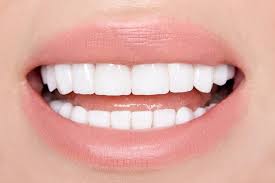
Improving the appearance of your smile can support overall oral wellness. Within general dentistry, veneers are a cosmetic option for addressing concerns such as discoloration, uneven spacing, worn enamel, and minor shape irregularities. Understanding the aesthetic benefits of veneers can help patients decide whether this treatment aligns with their goals and long-term dental care needs. Here are some of the aesthetic benefits of choosing veneers through general dentistry:
Improving Tooth Appearance
Some stains are too deep for whitening treatments. When that happens, general dentistry providers use veneers to cover the stains. The dentist will choose the right color for the veneers so all your teeth look evenly bright. While regular whitening works on surface stains, veneers cover the entire front of your teeth and maintain their color for a long time.
Dentists begin by evaluating the cause of your tooth staining. If it’s just on the surface, whitening may work. For stains inside the tooth, such as those caused by medication or injury, veneers often work better. The dentist covers the stained parts with the veneer so your teeth look white and clean.
Refining Smile Symmetry
Asymmetrical teeth disrupt the visual balance of a smile; teeth that differ in shape or size can make a smile look uneven. Dentists check each tooth, and they design veneers to make them all look alike. Placing veneers can change the length and width of your teeth. Enamel does not regenerate naturally, requiring general dentistry providers to add synthetic material to alter the shape, and veneers fulfill this structural requirement effectively. Veneers can provide the following benefits:
- Lengthening teeth that appear disproportionately short.
- Restoring edges that show signs of physical wear.
- Modifying the contour of irregularly shaped incisors.
The fabrication process requires precise clinical measurements. The laboratory technicians manufacture the units, and the dentist bonds them to the prepared surfaces. Before the final placement occurs, the clinician must make sure the fit aligns with the adjacent teeth. If the dimensions are incorrect, the provider adjusts the material, and the patient receives a balanced final restoration.
Minimizing Visible Gaps
Diastemas are another common aesthetic challenge in general dentistry. Orthodontic appliances can close these spaces, but veneers offer a faster alternative for minor gaps. As long as the bite functions correctly, dentists use these shells to widen the appearance of the affected teeth. Although severe misalignment requires structural repositioning, mild spacing issues respond well to cosmetic coverage.
The fabrication step dictates the width of the final restorations. The laboratory models the new dimensions, and the practitioner tests the fit. Before the permanent bonding occurs, the general dentistry team evaluates the occlusion to verify proper alignment.
Supporting Natural Results
Modern dental materials replicate the light-reflecting properties of biological enamel. Porcelain exhibits slight translucency, which prevents restorations from looking artificial. When laboratory technicians construct the units, they layer the ceramics to mimic natural tooth structure. The dentist also takes detailed impressions, and the laboratory customizes the final product accordingly. A customized clinical approach is key for optimal aesthetic integration within the oral cavity.
Schedule Your General Dentistry Appointment Today.
Veneers provide a reliable method for addressing multiple aesthetic dental concerns. The procedure modifies tooth color, and it establishes structural symmetry across the visible smile. If a patient presents with minor gaps, the dentist uses these restorations to create a uniform appearance. Contact a qualified dental provider near you to schedule your general dentistry appointment today.

