
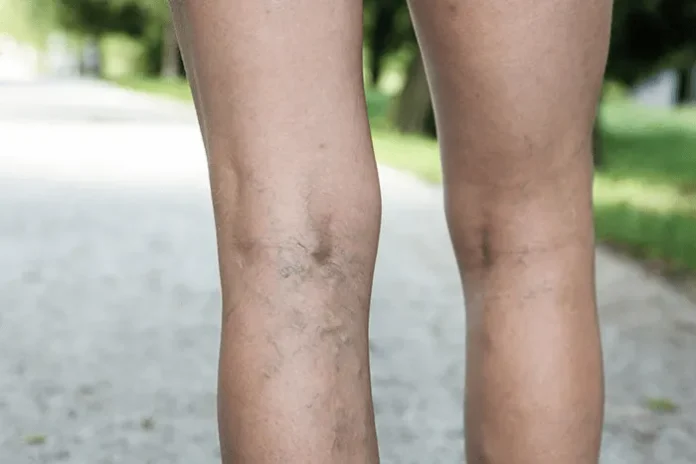
When the tiny valves inside your blood vessels weaken, blood pools and creates twisted cords known as varicose veins. Spider veins are a milder variation of this condition, and they appear as small webs near the skin surface. The accumulated blood stretches the vein walls to cause uncomfortable swelling and a deep aching sensation. Here is more information about the effects of varicose veins and their treatments:
Varicose Vein Causes
Varicose veins develop when blood flows backward and collects in the lower legs. Aging naturally weakens vein walls over time, and pregnancy adds extra pressure to your entire circulatory system. Sitting or standing for long periods makes the condition much worse. Extra body weight places heavy strain on the vessels in your lower extremities.
The physical signs of this issue go beyond visual changes on the skin surface. Patients experience aching legs, and their ankles swell heavily by the evening hours. Because the pressure builds up throughout the day, a constant feeling of heaviness makes walking uncomfortable. Dry skin patches may develop around the affected areas, and a persistent itching sensation creates further irritation.
Spider Vein Differences
Spider veins look like tiny red or blue branches, and they remain completely flat against your skin. While they share the same underlying cause as larger vessel problems, spider veins rarely cause severe physical discomfort. The larger vessels bulge outward like thick ropes. Medical professionals treat the smaller webs primarily for cosmetic reasons, and they focus on the larger vessels to relieve physical pain.
Varicose Vein Treatments
Vascular specialists perform minimally invasive surgeries or procedures that close off damaged blood vessels. Your doctor will outline the available medical choices, and they will explain the entire treatment process. Your physician might suggest one of the following management options:
- Sclerotherapy to collapse the affected vessel using a specialized injection.
- Laser treatments to fade smaller problem areas with bursts of light.
- Vein stripping surgeries to physically remove the larger diseased segments.
- Catheter-based procedures to heat and seal off the damaged pathways.
These procedures are permanent, and afterward, the body reabsorbs the treated veins. This removes the veins from view. While the same veins will not reappear, new varicose veins may develop in the future.
Home Management Measures
Changing your daily habits relieves pressure in your lower body, and this approach minimizes uncomfortable leg swelling. If you sit at a desk all day, take short walking breaks to keep your blood moving. Compression stockings gently squeeze your lower legs to help the blood flow back upward, supporting healthy circulation. Eating a balanced diet prevents excess weight gain, and regular exercise strengthens your calf muscles to pump blood more effectively.
Learn More About Varicose Veins
Understanding the physical signs of weakened blood vessels helps you make informed health decisions. Medical interventions relieve daily discomfort, and lifestyle changes improve your overall physical well-being. Even though these swollen vessels can cause pain, multiple effective management strategies exist to help you find relief. If you want to learn more about varicose veins, consult a vascular specialist near you.

