
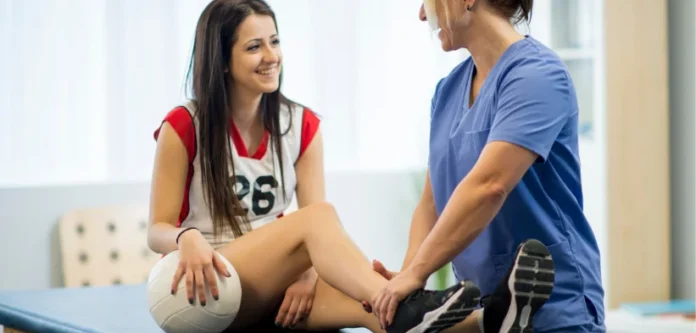
A sports medicine specialist is a trained professional who focuses on physical fitness and the management of exercise-related injuries. These experts include physicians, physical therapists, and athletic trainers who work together to help active individuals improve their performance. Rather than focusing solely on immediate symptoms, a specialist takes into account overall health and functionality to guide recovery. Here’s information on the role of sports medicine in injury prevention and recovery:
Types of Sports Injuries
Sports injuries generally fall into two broad categories: acute and overuse. Many injuries result from improper training practices, inadequate equipment, or poor environmental conditions. Acute injuries happen suddenly during an activity, and overuse injuries develop gradually from repetitive motion. Some common examples of acute issues include ankle sprains, muscle strains, and bone fractures. Overuse issues commonly involve stress fractures or tendon inflammation resulting from continuous strain.
Getting Injured
Skipping warm-up routines, pushing through severe fatigue, and failing to use proper techniques are common contributors to physical strain. A sudden increase in the intensity or duration of a workout can easily overwhelm unprepared muscles and joints. There are many potential causes of injury, but by warming up and adjusting your routines, you can protect your body during exercise.
Seeing a Specialist
You should visit a sports medicine specialist if you experience severe pain, noticeable swelling, or a sudden inability to place weight on a joint. Early evaluation helps establish a timely treatment plan, as delaying a consultation may complicate your recovery process. A specialist evaluates the mechanics of your injury to provide a thorough and realistic assessment of your condition. Other warning signs you may need a doctor include:
- Visible Deformities
- Popping Sounds During an Impact
- Lingering Pain That Doesn’t Improve With Rest
Ways To Treat Injuries
Many sports-related injuries respond well to non-surgical treatments. Sports medicine providers often recommend a structured combination of rest, ice, compression, and elevation to manage initial swelling and discomfort. Immobilization devices, such as braces or walking boots, may be utilized to protect the affected area from further stress. This careful approach allows the affected tissues adequate time to stabilize before physical demands are safely reintroduced. Surgery may be recommended when conservative efforts fail to improve your condition.
Rehabilitation is a fundamental step in the recovery process. Physical therapy programs focus on progressively restoring strength, flexibility, and overall range of motion through carefully guided exercises. Your providers may also incorporate manual therapy or specialized equipment to support joint mobility. Specialists monitor your progress closely, and they adjust your program to match your current physical capabilities. This structured, step-by-step progression helps rebuild resilience in the affected, healing area or limb.
Ways To Prevent Injuries
There are many ways to help you prevent injuries or reinjury, and many sports medicine practices offer strength and conditioning training. Strength and conditioning training plans are personalized to your needs and goals. No matter where you exercise, preventing injury requires a proactive, consistent approach to physical activity. Incorporating dynamic warm-ups and static cool-down routines helps prepare your body for exertion and supports a more effective recovery. Utilizing appropriate gear, such as supportive footwear and protective padding, can reduce impact forces and provide key structure.
Benefit From Sports Medicine Services
Whether you play high-impact sports or enjoy daily jogging, a sports medicine specialist provides targeted, comprehensive care to keep you moving efficiently. These professionals provide personalized strategies to help you safely navigate your fitness goals and manage physical limitations. Accessing these specialized services gives your body the appropriate, professional care it needs to function efficiently over time. Contact a specialist today to schedule a consultation about your exercising needs.

