
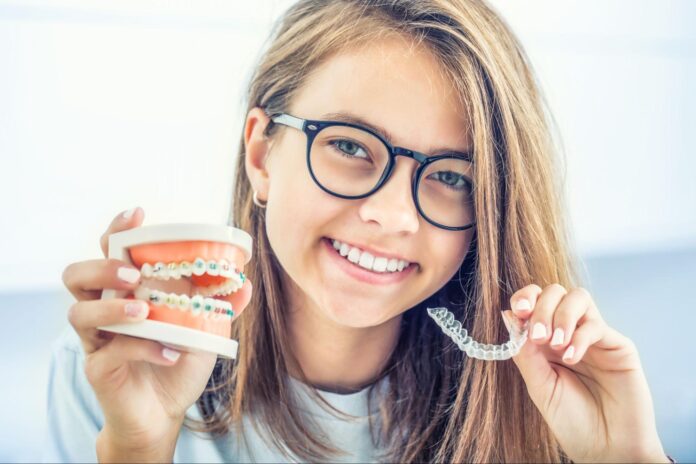
Orthodontic treatments like clear aligners offer a discreet method for straightening misaligned teeth and correcting bite issues. Neglecting basic hygiene protocols can lead to the development of bacterial biofilms, which contribute to periodontal disease or unpleasant odors. Understanding the treatment process and the specific steps required to keep these appliances clean will help you protect your teeth, helping to achieve the desired results of orthodontic treatment.
What Are Clear Aligners?
Clear aligners are custom-made, plastic orthodontic appliances that are designed to gradually shift teeth into a more symmetrical alignment. The smooth plastic material reduces the likelihood of irritation and sores inside the mouth. Because they are transparent, these devices blend in naturally with your smile, providing a highly aesthetic option for individuals undergoing orthodontic correction.
Treatment involves placing gentle force on specific teeth to guide them into their proper positions over a scheduled period. Patients can remove the aligners at any time to brush and floss, which simplifies daily oral hygiene routines compared to traditional metal braces. There is no need to navigate around metal brackets and wires, making it much easier to keep your natural teeth clean and free of decay.
What Does the Process Involve?
The journey begins with a comprehensive dental examination. Your dental provider may then use an intraoral scanner, capturing precise digital impressions of your teeth. These digital scans are transmitted to a specialized laboratory, where technicians fabricate your custom set of aligners to match the exact contours of your mouth.
Once the manufacturing is complete, you will return to the dental office for a fitting. During this appointment, the provider will check the fit of your new aligners and provide specific instructions. Patients must wear the aligners for 20 to 22 hours per day. You should only remove them to eat, drink, brush, and floss your teeth. Sticking to this daily schedule prevents the teeth from shifting back into their original positions.
How Are Aligners Maintained?
Maintaining the cleanliness of your orthodontic appliances is a fundamental part of the treatment process. The plastic surfaces often contain grooves, ridges, and scratch marks that provide an ideal environment for oral biofilms to develop. As these bacterial colonies grow, they can cause the plastic to lose its transparency and emit a disagreeable odor. After a few weeks of wear, aligners naturally develop microcracks and abraded areas that further encourage bacterial adhesion.
A multi-step protocol combining mechanical and chemical cleaning methods yields the most effective results. Rinsing your clear aligners regularly helps prevent the initial buildup of plaque, and gently brushing the aligners with toothpaste can efficiently remove biofilm from the appliance’s surface. Adding a chemical agent, such as a mouthwash or specialized cleaning tablets, significantly increases the effectiveness of the brushing process.
Patients seeking the highest level of cleanliness might utilize an ultrasonic cleaning device. When cleaning your appliance, pay close attention to both the external and internal surfaces. Certain regions of the aligner tend to accumulate more bacterial adherence than other areas and require extra diligence during your daily cleaning routine.
Confer With Your Dentist
While general cleaning protocols offer a strong foundation for appliance care, personalized guidance from a dental professional may be beneficial. Your dentist can assess the condition of your appliances and recommend specific cleaning products that align with your oral health. Regular check-ups allow your dental team to address any concerns promptly, keeping your orthodontic journey on track. Always communicate openly with your dental care team about any challenges you face while managing your aligners.

