
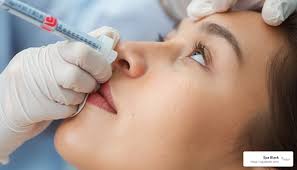
Botox is a standard medical and cosmetic treatment. Patients benefit from seeking information about its safety profile, and they should look for information about its overall efficacy. Here is more information on Botox injections, how they work, what they treat, and their benefits:
What Is Botox?
Botox is a neurotoxic protein derived from the bacterium Clostridium botulinum. Medical professionals administer this substance in highly diluted amounts for therapeutic purposes. It is formulated to act on the nervous system, and it temporarily alters muscle function in targeted areas.
How Does It Work?
The botulinum toxin works by blocking the release of acetylcholine at the neuromuscular junction. This chemical messenger normally signals muscles to contract. By inhibiting this signal, the targeted muscle becomes temporarily paralyzed, or it experiences a significant reduction in activity. Surrounding muscles remain unaffected and continue to function normally.
The injection process targets specific muscle groups with fine needles. The neurotoxin binds to the nerve endings within minutes, but the physiological effects take several days to become visible. Nerve endings eventually form new connections, and muscle function gradually returns to baseline. This biological mechanism explains the treatment’s temporary nature.
What Does It Treat?
Clinicians use Botox to address a variety of specific cosmetic concerns. A common application involves smoothing facial wrinkles, and providers often target lines on the forehead or around the eyes. The injections relax the underlying muscles that cause these skin folds. Patients may receive these cosmetic treatments in a medspa setting.
How Effective Is It?
The therapeutic effects of Botox typically become noticeable within a few days, reaching peak efficacy after a couple of weeks. The duration of the effect varies by patient, but the results generally last between three and four months. Patients require repeated treatments to maintain the clinical outcomes. A provider’s thorough anatomical knowledge maximizes the likelihood of a positive outcome.
What Are the Benefits?
The primary benefit of this treatment is its minimally invasive nature. Patients do not require general anesthesia, and they typically resume normal activities immediately after the procedure. A targeted approach allows for precise treatment of specific muscle groups without affecting the entire body. The temporary nature of the neurotoxin means the effects are fully reversible over time.
A Botox session takes little time to complete in a clinical setting. The risk of severe systemic side effects remains low, and local injection site reactions resolve quickly. This safety profile makes it a valuable option for some patients. Consulting a specialist helps determine if this treatment is right for each situation.
Learn More From a Specialist
Understanding the safety and clinical efficacy of these injections helps patients make informed medical decisions. A comprehensive evaluation by a qualified medical professional is required, and this assessment determines if the treatment suits your specific needs. Consulting a certified specialist can provide personalized guidance regarding this clinical procedure.
A specialized consultation allows for the development of a tailored treatment plan. The clinician will review the clinical process, and they may explain the precise expected outcomes. Schedule an appointment with a licensed medical provider today to achieve your cosmetic goals.

