
Medical vs. Cosmetic Dermatology
Dermatology encompasses different fields that address a wide range of skin concerns. Patients seek care for various reasons, so understanding the distinction between medical and cosmetic dermatology helps guide treatment decisions. Here is more information on this medical specialty and the available services:
What Is Medical Dermatology?
Medical dermatology focuses on diagnosing and treating skin disorders, including diseases affecting the skin, hair, and nails. Practitioners in this field address functional issues with the primary goal of restoring skin health. A dermatologist evaluates symptoms thoroughly, and they develop a clinical treatment plan based on the diagnosis.
What Is Cosmetic Dermatology?
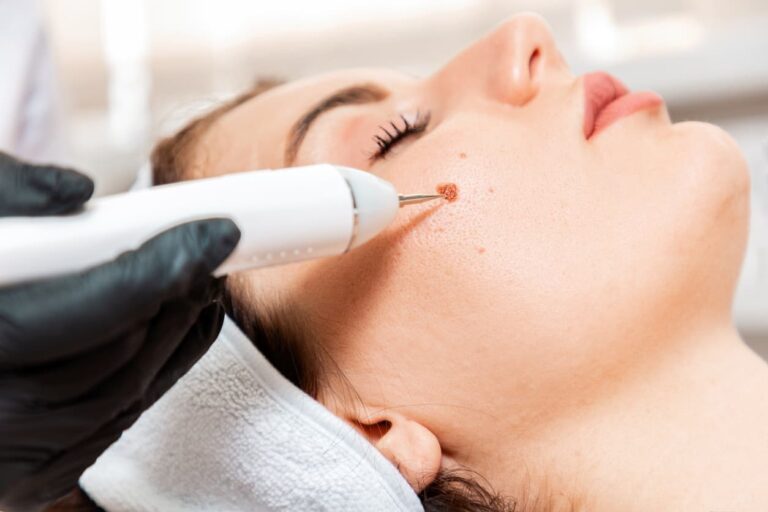
Cosmetic dermatology centers on aesthetics, and it primarily addresses the visual appearance of the skin. Patients may choose these treatments to alter specific features or to reverse visible signs of aging. The focus shifts from treating disease to enhancing physical traits, so the procedures are typically elective. This field uses advanced technologies to modify skin texture and tone.
What Are the Available Services?
Medical dermatology offers services such as skin cancer screenings and the prescription of topical or oral medications. Doctors perform excisions to remove malignant lesions, and they utilize cryotherapy to destroy abnormal tissue. Cosmetic dermatology provides treatments such as Botox injections and dermal fillers. Clinics also offer chemical peels and laser therapy for targeted skin resurfacing.
Both fields share overlapping environments, but the specific services target different outcomes. Some clinics provide comprehensive care, enabling patients to access medical and cosmetic services in one location. This dual approach streamlines patient care.
What Conditions Do Dermatologists Treat?
Medical dermatologists treat severe acne, psoriasis, and eczema. They diagnose skin infections, and they monitor suspicious moles for signs of melanoma. Cosmetic dermatologists primarily focus on issues such as wrinkles, fine lines, and hyperpigmentation. They also address facial volume loss and superficial scarring from past injuries.
Specific conditions often dictate the type of provider required, which necessitates that patients understand their symptoms. Medical conditions include rosacea, autoimmune skin diseases, and severe allergic reactions. Cosmetic concerns involve sun damage, uneven skin tone, and mild structural asymmetries. Patients with overlapping conditions require careful evaluation, and a qualified dermatologist can effectively navigate both sets of needs.
How Is Professional Care Beneficial?
Professional care provides diagnoses and helps prevent the progression of undocumented skin diseases. Dermatologists possess specialized medical training, so they can identify subtle symptoms that untrained individuals miss. They offer access to prescription-grade treatments and clinical tools that are unavailable over the counter. This level of expertise maximizes the effectiveness of the chosen interventions.
Seeking specialized care may reduce adverse reactions and protect the skin from improper handling. Professionals monitor the healing process closely and adjust treatment variables based on patient responses. Long-term skin health requires consistent medical supervision, which routine appointments facilitate. Early detection of severe diseases helps save lives, and prompt aesthetic corrections may yield predictable outcomes.
Consult a Dermatologist Today
Medical and cosmetic dermatology serve distinct purposes, but both fields contribute to overall skin health. Understanding your specific needs guides your search and connects you with the appropriate medical professional. Schedule an appointment with a certified dermatologist to discuss your physical symptoms or aesthetic goals in detail.
- How To Choose Between Rural Space And Suburban Convenience When Buying A Parker County, Texas Home
- When a Mobile App Should Take Over the Screen: Full-Screen Overlay UX Practices for 2026
- Before You Fall In Love With A South Florida Waterfront Home: A 2026 Buyer’s Due-Diligence Checklist
- Selling Your House in Franklin, New Hampshire: A Comprehensive 2026 Guide
- How to Reduce Stress When Selling Your Home: A Practical Guide