
Support Services Available for Oncology Patients
Cancer treatments need oncology support. Oncology patients manage physical changes, and they address symptoms. If side effects occur, therapies address them. For ongoing support, clinics and technicians provide dedicated services.
Acupuncture Therapies
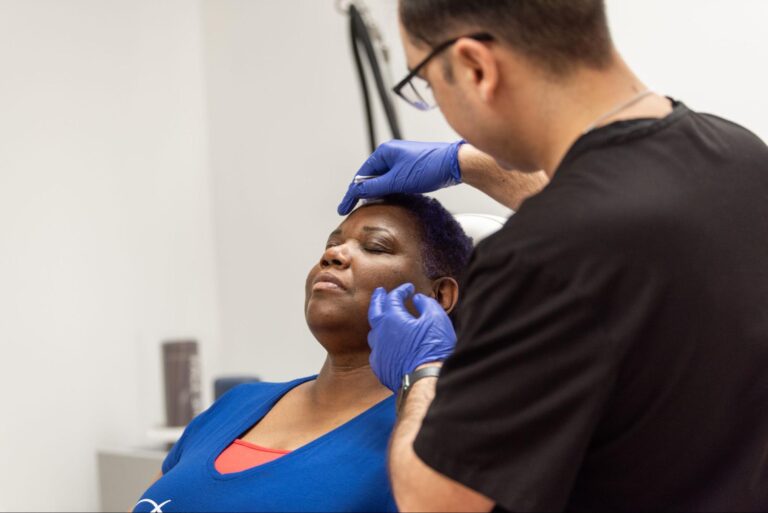
Providers use acupuncture to address some physical side effects. Providers insert thin needles into specific points to target pain points or problem areas. Some people receive electroacupuncture sessions with gentle electrical impulses. Providers monitor their response for changes. Providers manage chemo-induced peripheral neuropathy as a condition, and they include acupuncture as part of a broader plan. For those experiencing dry mouth, professionals may apply needles to salivary-related points.
Some oncology patients participate in acupuncture for hot flushes or appetite loss, and this occurs with their oncology provider. Practitioners target specific points in alignment with symptoms discussed during your oncology support. Therapy scheduling is flexible, and your provider adjusts the approach as your treatment plan is updated. Treatment rooms are quiet and comfortable, designed to reduce outside stress during each session. Some people experience a variety of symptoms. Acupuncture sessions can be carried out consistently, allowing practitioners to track objective measurements and make adjustments as needed.
Microcurrent Treatments
Since fatigue can occur during oncology treatment, your provider tailors microcurrents to address energy levels with input from your healthcare team. For unrestful sleep, therapists structure microcurrent therapy sessions to discuss any changes, and they adjust treatment based on your feedback. Pain management is a focus. Microcurrent therapy is included if you seek a non-drug method with provider guidance. When anxiety affects your routine, therapists intend sessions to be calming, and you remain completely awake while receiving support. Mood disorders may occur during cancer treatment, and your provider discusses the use of microcurrent sessions to support your comfort. Sessions may take up to an hour. The approach is methodical, and it allows you to relax in a supportive environment. This service addresses tension and fatigue that develop during ongoing cancer care. Energy levels fluctuate between appointments, and therapy schedules are adjusted as your needs change.
Needle Procedures
If you experience localized discomfort, this procedure addresses knots or trigger points under provider guidance. When medication-induced constipation is discussed, practitioners evaluate muscle tension and apply needling with your oncology team. Practitioners use the method for symptoms related to muscle tension, and your provider will discuss it with you. If pain management with standard care is challenging, practitioners use dry needling as an additional option. Sessions are scheduled based on symptoms and provider assessment. Fertility issues are addressed in separate consultations.
Practitioners review your concerns in detail, and together you determine if dry needling is appropriate as part of your care. While treatments often focus on musculoskeletal pain, your body may respond with changes in flexibility or tension. Practitioners observe these responses at each visit. Each session builds on previous techniques, supporting gradual symptom management and function. Muscle stiffness affects daily activities, and tension might impact your range of motion or cause persistent discomfort. Practitioners apply dry needling specifically to these areas by reaching targeted tissue layers that your provider identifies.
Schedule Oncology Support Today
Medical teams coordinate support services. Review the available complementary therapies, and consult your primary oncologist today. Before you start any service, professionals review your chart. Ask about specific treatment protocols. Contact your local care center, and schedule an initial evaluation.
- How To Choose Between Rural Space And Suburban Convenience When Buying A Parker County, Texas Home
- When a Mobile App Should Take Over the Screen: Full-Screen Overlay UX Practices for 2026
- Before You Fall In Love With A South Florida Waterfront Home: A 2026 Buyer’s Due-Diligence Checklist
- Selling Your House in Franklin, New Hampshire: A Comprehensive 2026 Guide
- How to Reduce Stress When Selling Your Home: A Practical Guide