
The Future of Mammograms
A mammogram is one of the fundamental tools for breast cancer screening and early detection. As medical technology continues to advance, the future of mammography breast screening is expected to include improved imaging accuracy and more personalized approaches to screening and follow-up care. Here’s a closer look at how mammogram technology is evolving:
Moving to Advanced Mammography
Standard mammogram screening relies on flat pictures of human breast tissue. Older machines take two-dimensional photos, but modern clinics now use three-dimensional tools for better results. As doctors upgrade their medical equipment, they can see a much clearer view of the internal breast tissue.
Three-dimensional imaging creates a complete digital model of the breast. The machine takes several images from different angles, and a computer puts all the pictures together. Since the pictures show multiple layers of tissue, radiologists can easily detect subtle details. When the machine produces a clear image, the medical team can provide better overall care.
Using Smarter Reporting
Medical professionals are updating how they share health test results. Old reports provided basic facts, but new reports offer detailed information about the tissue. A modern mammogram report includes specific measurements of physical breast density. Dense tissue hides hard lumps, so doctors measure this tissue density very carefully. If a patient has high density, the doctor suggests a different screening plan. Here are key ways smarter reporting helps:
- Doctors can track tissue density using digital scales.
- Clinics can compare past records with new images.
- Systems flag subtle changes for the doctor.
Digital records track health changes over a long time. The computer compares old and new pictures and automatically flags any small differences.
Personalizing Screening Plans
Every patient possesses a personal health background. Clinics used to test everyone the same way, but they now build custom plans for each person. Genetics plays a key role in health, making doctors examine family history closely.
A doctor reviews these personal risks, and they develop a specific timeline for tests. If a person has a strong family history, the clinic schedules screening tests more often. Doctors also evaluate lifestyle factors during the medical planning phase. They ask questions about daily habits, and they record this data in the medical file.
Expanding AI and Imaging Roles
Artificial intelligence is changing the modern medical field. Computers can quickly review digital images, and they highlight strange areas for the doctor. The software acts as a helpful assistant because it learns from millions of pictures.
AI tools do not replace the trained human doctor. The radiologist reviews the computer’s suggestions, and they make the final diagnostic decision. Although the machine evaluates data quickly, the human expert provides the actual medical diagnosis.
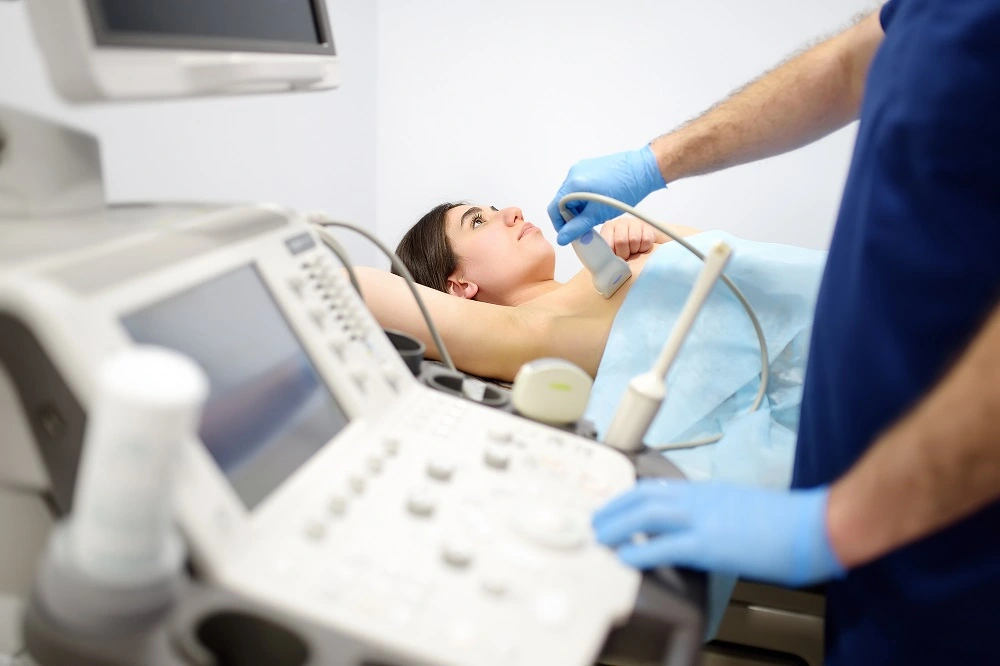
Doctors may sometimes order extra tests after the first digital scan. They may recommend a clinical ultrasound, or they may schedule a magnetic resonance imaging scan. If the main mammogram shows a dense area, these extra tools provide more diagnostic facts.
Schedule Your Mammogram Appointment Today.
Early detection through mammograms is fundamental in identifying potential issues effectively. While advanced computer systems expedite the review of digital images, radiologists remain key in making accurate diagnostic decisions. Contact a qualified healthcare provider near you to schedule your mammogram appointment today.
- How To Choose Between Rural Space And Suburban Convenience When Buying A Parker County, Texas Home
- When a Mobile App Should Take Over the Screen: Full-Screen Overlay UX Practices for 2026
- Before You Fall In Love With A South Florida Waterfront Home: A 2026 Buyer’s Due-Diligence Checklist
- Selling Your House in Franklin, New Hampshire: A Comprehensive 2026 Guide
- How to Reduce Stress When Selling Your Home: A Practical Guide