
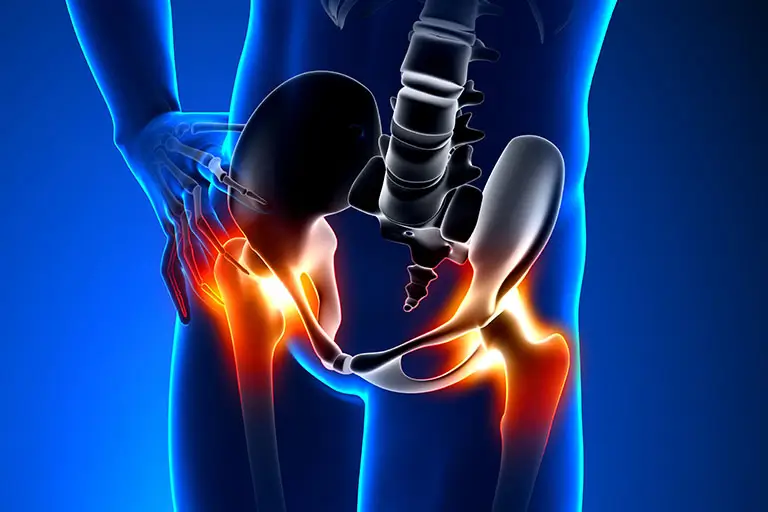
How to Differentiate Between Various Causes of Hip Pain
Hip pain often originates from the complex ball-and-socket joint that supports the body’s weight and facilitates movement. Discomfort in this area can stem from a variety of sources and affect the local soft tissue or bones. Because the hip structure is so intricate, pinpointing the exact origin of discomfort requires careful evaluation. A thorough understanding of the specific factors contributing to joint discomfort can guide individuals toward the proper medical evaluation.
What Causes Hip Pain?
Various conditions and injuries lead to hip pain. Arthritis remains one of the most frequent underlying factors. Osteoarthritis, rheumatoid arthritis, and psoriatic arthritis cause inflammation in the joint, leading to gradual cartilage breakdown and subsequent pain. Injuries also account for a significant portion of hip issues, as fractures and sprains frequently result from high-impact events. Tendonitis occurs when the tendons connecting muscles to bones become inflamed due to repetitive stress. Bursitis develops when the fluid-filled sacs cushioning the joint experience inflammation, producing a localized ache.
Other conditions contribute to discomfort in the hip and surrounding areas. Sciatica involves a pinched sciatic nerve that radiates pain through the hip and down the leg. Sacroiliitis refers to inflammation of the sacroiliac joint, linking the lower spine to the pelvis. Each of these conditions affects the joint structures differently, leading to distinct patterns of discomfort.
How Is It Detected?
Recognizing the signs that warrant a medical evaluation helps prevent further joint dysfunction. Symptoms suggesting a need for a doctor’s visit include a noticeable limp, visible swelling, pain localized in the groin, and a reduced range of motion. To diagnose the specific origin of hip discomfort, a medical professional will review your personal medical history and ask detailed questions about the onset and nature of the pain. The doctor will perform a physical examination to observe the joint in motion and evaluate your gait. To gain a clearer view of the internal structures, physicians may order imaging tests. X-rays reveal bone abnormalities like fractures or arthritis, while MRI scans provide detailed images of soft tissues.
How Is Pain Treated?
Standard protocols for managing hip discomfort usually begin with conservative measures. Rest and the application of ice help reduce acute inflammation, and over-the-counter anti-inflammatory medications provide relief for mild to moderate discomfort. When conservative approaches do not yield sufficient relief, physicians recommend stronger prescription medications or specialized physical therapy programs. Physical therapy focuses on strengthening the muscles supporting the joint, improving flexibility, and correcting postural imbalances.
For more persistent cases, medical providers can offer injection therapies. Corticosteroid injections deliver medication directly into the joint space to decrease swelling and restore mobility. Trigger point injections target tight muscles that generate radiating pain. If the discomfort originates from spinal issues, specialists might utilize epidural injections or nerve blocks. These interventions interrupt pain signals traveling from the spine to the hip region.
Confer With a Medical Expert
Consulting with a qualified healthcare provider allows for a precise diagnosis and a tailored treatment strategy. Identifying the root cause of hip pain accurately dictates the success of any management plan. A specialized physician will interpret diagnostic imaging and clinical symptoms to form a comprehensive approach to your joint health. By seeking timely medical advice, individuals receive appropriate therapies that target the underlying source of discomfort, promoting a return to functional mobility.
- How To Choose Between Rural Space And Suburban Convenience When Buying A Parker County, Texas Home
- When a Mobile App Should Take Over the Screen: Full-Screen Overlay UX Practices for 2026
- Before You Fall In Love With A South Florida Waterfront Home: A 2026 Buyer’s Due-Diligence Checklist
- Selling Your House in Franklin, New Hampshire: A Comprehensive 2026 Guide
- How to Reduce Stress When Selling Your Home: A Practical Guide