The Pros and Cons of Using Donor Eggs in Fertility Treatments
Fertility treatments offer medical options for achieving a pregnancy. Donor eggs represent a valuable clinical approach. The medical application of donor genetic material requires thorough clinical evaluation, and physicians assess multiple variables before recommending this option. Here is more information on donor eggs and in-vitro fertilization:
What Are Donor Eggs?
Donor eggs are mature oocytes provided by a healthy female for another individual’s reproductive use. Medical clinics screen these donors, and the screening involves genetic, psychological, and physical health evaluations. These eggs are primarily used in in-vitro fertilization and replace the recipient’s own genetic material during fertilization. This process requires strict adherence to medical protocols.
The retrieval process requires medical intervention, and the donor undergoes ovarian stimulation to produce multiple mature eggs. Physicians extract these eggs surgically, and laboratory technicians then prepare them for immediate fertilization or cryopreservation. Recipients receive specific hormonal protocols to prepare their uterine lining, enabling the body to support a potential embryo implantation. Physicians monitor this timeline with precision.
What Are Fertility Treatments?
Fertility treatments encompass various medical interventions designed to facilitate human reproduction. Doctors prescribe specific medications to induce ovulation, or they perform surgical procedures to correct anatomical abnormalities. These clinical approaches address diverse reproductive challenges and provide scientific methods to help patients conceive. The success of these methods depends on individual physiological factors.
Some treatments involve simple pharmacological management, but others require complex laboratory technologies. Intrauterine insemination introduces sperm directly into the uterus, which bypasses potential cervical barriers. Advanced assisted reproductive technologies handle both eggs and sperm outside the human body.
What Does In-vitro Fertilization Involve?
In-vitro fertilization is a multi-step clinical procedure used to overcome various reproductive issues. Physicians retrieve mature eggs from the ovaries, and laboratory specialists combine them with sperm in a controlled clinical environment. The fertilized eggs develop into embryos over several days, with medical professionals closely monitoring their cellular division. Laboratory conditions mimic the natural biological environment.
The final stage of the procedure involves transferring a viable embryo into the patient’s uterus, and doctors utilize ultrasound guidance during this transfer. A blood test confirms whether the implantation was successful, which guides the subsequent care plan. Patients receive ongoing clinical support during this waiting period.
How Are Donor Eggs Beneficial?
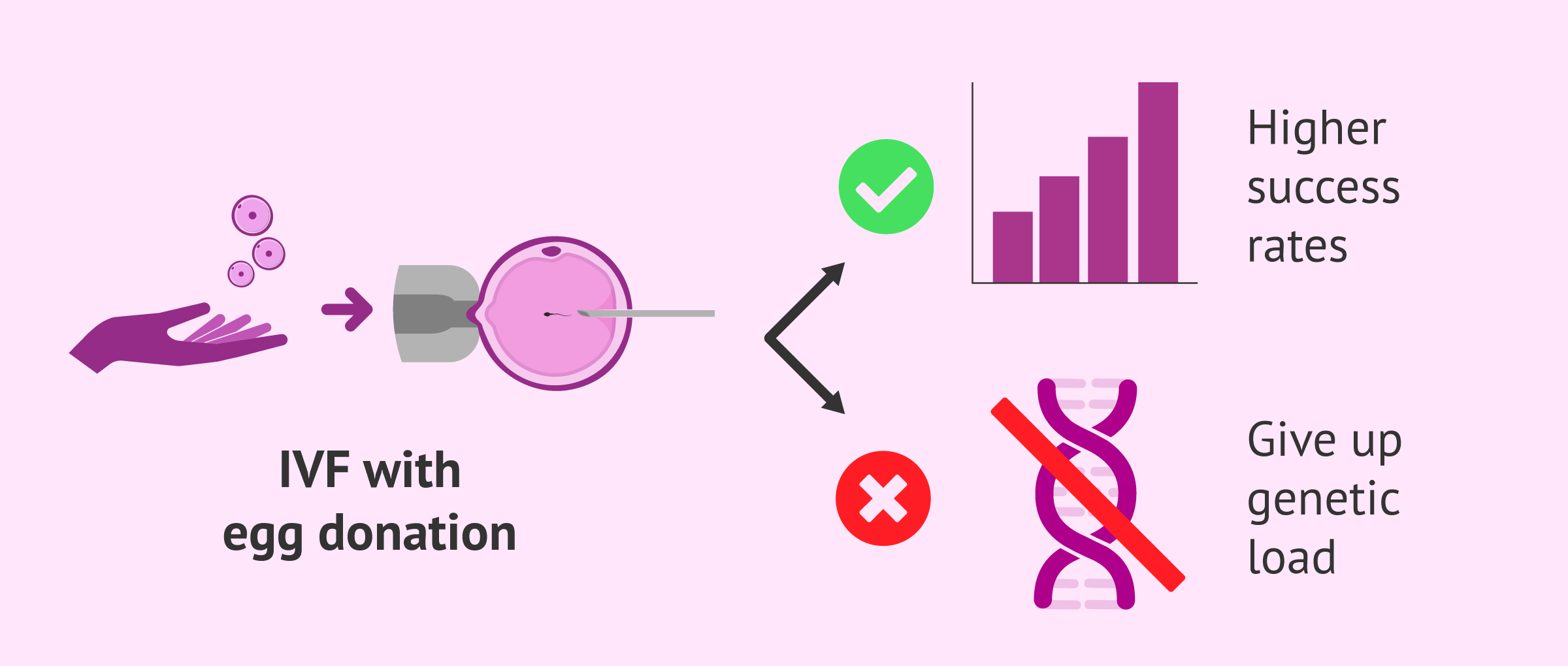
Utilizing donor genetic material offers distinct clinical advantages for specific patient populations. Women with diminished ovarian reserve may achieve higher pregnancy rates, and patients with genetic anomalies avoid passing specific conditions to offspring. The procedure bypasses many age-related fertility declines, potentially offering higher success rates for older patients. The procedures also demand rigorous biological synchronization between the donor and recipient.
When Is Professional Guidance Necessary?
Patients require professional clinical guidance throughout the reproductive process. Medical specialists conduct initial diagnostic testing, and they interpret complex laboratory results to formulate a treatment plan. Reproductive specialists monitor the physiological responses to medications and adjust clinical protocols, which may minimize potential medical complications.
Learn More About Fertility Treatments
The decision to pursue reproductive assistance involves analyzing various medical options and clinical data. Donor genetic material provides a viable option for some, but it requires careful evaluation of the process. Schedule an appointment with a specialist to discuss your specific case.