
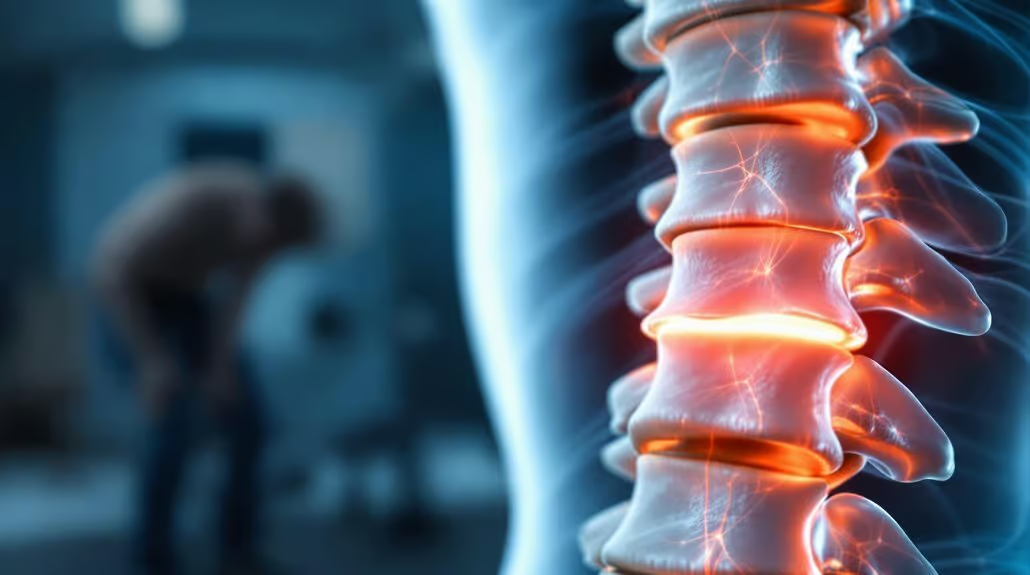
When the soft jelly-like center of a spinal disc pushes through its tough exterior, a painful herniation occurs. This spinal injury places intense pressure directly on the sensitive nerves located in your lower back. The resulting pain creates daily challenges, and it alters your normal physical activity routine. Here is more information on the relationship between herniated discs and physical activity:
Reduced Performance
A seriously damaged spine lowers your overall athletic ability, and energy levels may decrease during regular activities. Tasks that once seemed simple, like walking or bending, become physically taxing, and you may hesitate to participate in sports. Because pain is persistent, it limits the intensity and duration of each workout.
Physical performance drops noticeably as your muscles compensate for the injured area, and this adaptation leads to weakness in other parts of the body. You may favor one side over the other, which creates an imbalance that affects coordination. If you once enjoyed running or weightlifting, these activities might not feel achievable with ongoing back discomfort.
Limited Activities
Daily tasks become frustrating, and basic movements trigger sudden pain. Since bending creates extreme discomfort, you avoid normal household chores. A herniated disc restricts many routine physical actions.
- Tying your shoes in the morning
- Carrying heavy groceries from the car
- Sitting comfortably at a desk
Degenerative Disc Disease
Human spinal discs naturally degenerate and lose the necessary flexibility over a long period of time. As people age gradually over the years, degenerative disc disease makes the spine vulnerable to injury. The weakened outer rings tear very easily, so herniated discs happen much more frequently in older adults. Your spine requires proper daily care to slow down this natural physical aging process.
Because the supportive spinal structures degrade over time, intense physical activities place extra stress on the lower back. Running creates repetitive, hard physical impacts, and heavy lifting rapidly accelerates the damage to those weakened discs. Your physician assesses these specific structural changes very carefully during a routine physical examination. Medical imaging helps doctors identify the exact physical location of your specific spinal degeneration.
Trained medical professionals carefully track the progression of disc wear, and they adjust your treatment plan accordingly. Even though the spinal discs degenerate naturally, targeted physical therapy provides pain relief for many patients. Gentle and deliberate daily physical movement greatly supports your overall long-term spinal health and joint mobility. Staying safely active with guided exercises helps to prevent further muscle stiffness in the affected back joints.
Acute Pain
Immediate sharp pain strikes your lower back unexpectedly, or sharp aching sensations travel rapidly down your leg. This sudden distress halts your regular daily exercise routine without any warning. While the initial painful shock feels completely overwhelming, your body clearly signals you to rest immediately. Ignoring these clear early warning signs only worsens the underlying physical damage to your fragile spine.
Address a Herniated Disc
Medical consultations provide clear paths for your healing. While recovery takes time, physical therapy builds lasting back strength. Lifestyle adjustments relieve spinal pressure, so please call a doctor today. Schedule an appointment and begin the process of addressing herniated disc pain.

