
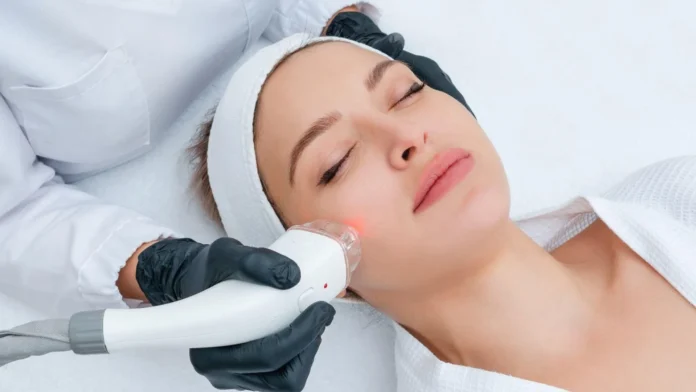
Aesthetic dermatology offers a range of treatments for aging skin. Technology advances rapidly, and dermatologists provide updated care. Although skin changes over time, modern treatments target specific issues. Patients explore these options during consultations.
Injectables and Microcannula Techniques
Injectables include Botox and dermal fillers. When doctors apply Botox, muscles relax, and wrinkles smooth out. Dermal fillers restore volume, and they structure the face. Providers often use a microcannula, which can be used for both facial and hand rejuvenation. Because a microcannula is blunt, tissue damage decreases, and patients experience less bruising. This aesthetic dermatology technique can reduce downtime, and it allows accurate placement of the injectable product.
If individuals notice volume loss, fillers replenish the targeted areas. Facial contours can regain balance. These procedures are suited for forehead lines, crow’s feet, and other dynamic wrinkles. Some fillers use hyaluronic acid, which is naturally found in the skin. Specialists select the right type for each area. The approach may improve patient experience. Precise injections require thorough anatomical knowledge. Doctors measure exact doses, and they make a plan with your goals in mind.
Lasers and Chemical Peels
The Laser Excel V treats redness, and it targets vessels. Cosmetic lasers target various aesthetic dermatology concerns. If patients have uneven tone, professionals use lasers to improve skin texture. Fractional lasers treat acne scars, sun spots, and enlarged pores. While some lasers focus on pigment, other devices handle wrinkles. Certain technologies, such as non-ablative lasers, can stimulate collagen production, gradually making the skin firmer. When skin tightening occurs, cells rebuild over time. Chemical peels also address surface imperfections. Acids dissolve the outer layers, revealing smoother skin underneath. These peels treat discoloration, rough patches, or fine lines. Because peels vary in strength, specialists evaluate your skin and choose the right formula. Light peels exfoliate gently, but deeper peels penetrate several layers. Recovery times depend on the exact procedure. Post-procedure care involves hydration and cleansers, and it sometimes uses ointments to promote healing.
Innovations and Microneedling
Microneedling creates tiny controlled punctures. These micro-injuries prompt the body’s natural repair process, and new collagen forms in the treated area. Morpheus8 combines microneedling with radiofrequency, stimulating collagen while tightening underlying structures. Radiofrequency energy is delivered through fine needles, enabling targeted heating of deeper dermal layers and enhancing skin firmness more effectively than microneedling alone. PRP utilizes elements from your own blood. Because blood contains growth factors, the mixture repairs cells and refines the overall texture. Some patients pursue microneedling for issues like enlarged pores or mild acne scars, and radiofrequency adds an extra dimension for challenging skin concerns. As radiofrequency penetrates the dermis, proteins contract, and the underlying structure tightens. These combined therapies maximize efficiency. Providers customize the depth, and patients receive tailored energy levels.
Book Aesthetic Dermatology Today
A professional assessment defines your options, and every face requires a unique plan. Dermatologists provide guidance. Before you schedule a procedure, experts will answer questions. Since aesthetic dermatology involves medical procedures, safety remains paramount. Certified clinics provide proper care. Clear communication builds strong medical relationships. Contact a certified provider today.

