
Home Blog Page 10

Creating a Family-Centered Approach in Primary Care

0

A family-focused primary practice provides comprehensive healthcare services to individuals across all stages of life, from infancy through geriatrics. Instead of segmenting patients by age or specific anatomical systems, this model centralizes care for the entire household. This structure allows medical professionals to assess shared genetic backgrounds, household environments, and lifestyle habits that influence individual health outcomes. Here is information on primary care services and how family medicine practices provide ongoing care for all ages:

Streamlining Family Health Care

A family-centered primary care practice focuses on managing pediatric, adult, and geriatric health needs, so your household can visit a single location for their medical needs. The medical staff maintains a detailed record of your household’s health history, and this central hub of information supports coordinated care. When doctors see multiple generations of the same family, they can track hereditary patterns and environmental influences with greater accuracy. This comprehensive vantage point allows the clinical team to customize preventive screening schedules based on familial risk factors, enabling timely preventive care.

Having Access To Timely Care

Reliable access to primary care is a foundational aspect of maintaining your baseline health. Family practices establish clear channels of communication between you and your healthcare providers. While standard in-person appointments are key for physical examinations, modern practices also integrate digital telehealth access points to improve efficiency. Secure patient portals allow you to review laboratory results, request routine prescription renewals, and ask non-urgent clinical questions without a physical visit.

Many facilities also provide telehealth consultations for specific types of follow-up evaluations or preliminary assessments. This multi-channel approach makes sure you can reach your clinical team promptly, enabling timely interventions. When you require guidance on navigating specialized medical services, your primary care office serves as the initial point of contact for coordinating necessary specialist referrals.

Engaging in regular primary care visits establishes a detailed, chronological record of your health metrics. This data provides your clinical team with a reliable baseline, making it easier to detect subtle physical changes over time. At a routine check-up, you may get standard immunizations, age-appropriate health screenings, and tips on general wellness habits.

Getting Acute and Chronic Condition Management

A comprehensive primary care practice can handle a range of health needs year-round, from acute injuries to chronic health conditions. Acute care services address sudden, non-life-threatening medical events. If you experience minor lacerations, joint sprains, or unexpected respiratory symptoms, family practices conduct initial evaluations and provide interventions.

When dealing with chronic conditions like asthma, elevated blood pressure, or metabolic disorders, your clinical team develops structured care plans. They monitor vital signs during regular intervals, and they adjust management strategies based on your current diagnostic results. Regularly seeing your doctor allows them to adjust your health management plan to remain aligned with your current needs. This way, primary care bridges the gap between immediate healthcare needs and long-term health tracking.

Benefit From Regular Primary Care

To benefit multiple household members at once, family medicine offers comprehensive care plans for every age. Establishing this foundation of care early gives you ongoing clinical support whenever routine or unexpected medical needs arise. Scheduling a consultation is the first step toward better health, so contact a primary practice today. By scheduling a wellness visit for you and your family, you can take proactive steps toward your overall wellness.

Primary Care Tips for Families

0

Primary care serves as the foundation of a family’s overall health and well-being, providing continuous, comprehensive, and preventive medical support across all stages of life. By establishing a strong relationship with a primary care provider, families can better manage routine checkups, address emerging health concerns early, and coordinate specialized care when needed. Understanding practical primary care strategies empowers families to make informed decisions while maintaining healthier lifestyles.

1. Building Strong Primary Care Relationships

Choosing a general practitioner (GP) establishes a central point of contact for your medical needs. This relationship helps your doctor understand your family’s unique medical history and lifestyle, so open communication about physical or mental health changes is key. Be ready to ask questions, as your provider would be willing to offer clear answers.

Trust builds over time as you see the same primary care provider (PCP) for regular check-ups, and preparing questions beforehand helps you make the most of your visit. For instance, you could ask about age-appropriate screenings or vaccination schedules. Taking these proactive steps builds a strong partnership between your family and your medical team.

2. Maintaining Consistent Preventive Care

Preventive medicine helps catch issues early. A key part of routine medical care involves scheduling annual physicals for every family member. These visits allow your doctor to track children’s growth and monitor adults’ vital signs. Staying up to date on appointments reduces stress and keeps your family’s health records current.

Maintaining these records helps your family doctor provide smooth service, and you can easily share this information when required. Consistency creates a strong safety net for your loved ones, so proactive scheduling is a great way to protect your family’s well-being. Here are a few helpful areas to track:

  • Annual wellness exams for adults and well-child visits for kids.
  • Routine dental and vision screenings.
  • Updated immunizations based on your doctor’s recommendations.

3. Encouraging Healthy Daily Habits

A healthy lifestyle starts at home and complements your primary healthcare routine. Nutrition is fundamental for energy and bodily functions, so plan balanced meals rich in vegetables and whole grains together. Providing nutritious snacks is also helpful, and it reinforces positive eating habits for your children. Physical activity and sleep also contribute heavily to wellness.

Proper hygiene is also necessary, and simple practices can limit the spread of germs. Handwashing before meals and after outdoor activities is a simple yet effective habit. You might also set up a small hygiene station with soap and sanitizer near the entryway.

4. Managing Common Illnesses Effectively

Even with effective preventive care, your family may still get minor illnesses like colds or stomach bugs. A well-stocked first aid kit gives you immediate access to helpful supplies, so keep it in a familiar place to save time and reduce stress. It’s necessary to monitor symptoms closely. Mild fevers and coughs often just need rest and hydration, but you should call your family physician if symptoms persist.

Family doctors are necessary for managing sudden health concerns. Using their services can prevent minor problems from becoming more serious, so you should always trust your provider’s advice. To effectively manage common illnesses, remember to:

  • Keep a well-stocked first aid kit with bandages, a thermometer, and basic pain relievers.
  • Monitor symptoms and know when to seek professional medical advice for persistent issues.
  • Utilize same-day appointments for sick visits to prevent minor illnesses from worsening.

Book Your Primary Care Appointment

While daily habits matter, they do not replace the need for professional medical oversight. Partnering with experienced professionals will make sure your loved ones receive comprehensive care tailored to their needs. You should always seek professional help when dealing with persistent or unusual symptoms, as professionals have the resources to improve your family’s health. If you are unsure why a symptom persists, reach out to a primary healthcare provider. Book a consultation with a general physician near you today to conduct a thorough examination and develop a comprehensive care plan tailored to your and your family’s needs.

What To Know About Treating Pancreatic Cancer

0

Cancer treatment for pancreatic cancer often involves a combination of therapies based on the stage of the disease, the location of the tumor, and the patient’s overall health. Understanding the available treatment options is a fundamental part of making informed care decisions. Here is what to know about treatment for pancreatic cancer:

Planning by Cancer Stage

Doctors classify pancreatic tumors based on their size and specific location. They use imaging tests to evaluate the abdomen, and they gather blood samples for comprehensive lab work. As soon as the test results return, the medical team decides if the patient qualifies for immediate surgery.

Surgical eligibility plays a fundamental role in cancer treatment. Some tumors sit near major blood vessels, so surgeons cannot safely remove them. When the mass remains localized within the pancreas, doctors often perform an operation to extract it entirely. For non-surgical cases, the medical team may recommend other cancer treatment options. They may prescribe strong medications to shrink the tumor or recommend targeted radiation therapy.

Using Core Treatments

Medical providers rely on several primary methods to target pancreatic tumors. They use these approaches individually, or they combine them for a stronger therapeutic effect. While every patient responds differently, these standard therapies form the foundation of modern oncology care. Here are some of the cancer treatment methods providers rely on:

  • Surgery: Surgeons remove the tumor and a portion of the pancreas to eliminate the cancer cells.
  • Radiation therapy: Specialists direct high-energy beams at the tumor to destroy the abnormal tissue.
  • Chemotherapy: Doctors administer specific systemic drugs to kill cancer cells throughout the body.

Radiation therapy uses advanced machines to deliver precise radiation doses to the affected abdominal area. The treatment destroys the DNA of the abnormal cells, and the tumor shrinks steadily over time.

Exploring Targeted Approaches

Modern medicine continually introduces new ways to manage aggressive pancreatic tumors, and providers offer advanced techniques alongside traditional therapies. Here are some of them:

  • Targeted therapy: These medications identify and attack specific proteins found exclusively in cancer cells.
  • Immunotherapy: This treatment stimulates the patient’s immune system to recognize and fight the tumor naturally.
  • Clinical trials: Patients gain access to experimental medications that medical researchers are currently testing.

These innovative strategies offer more approaches, and they give doctors flexibility in their approach.

Providing Supportive Care

Oncology care extends beyond attacking the tumor itself; patients need ongoing physical support and specialized nutritional guidance. While doctors focus on the primary cancer treatment, specialized nurses help manage the daily physical symptoms. Palliative care is a fundamental part of the overall recovery process. This medical specialty relieves pain, and it improves the daily quality of life. Even if the patient pursues aggressive therapies, supportive care teams make sure comfort remains a top priority.

Patients contemplate many factors when making decisions about their medical health. They discuss side effects with their families, and they review success rates with their doctors. Before a patient starts a new medication, the medical team explains the expected clinical outcomes clearly.

Explore Cancer Treatment Options Today

Pancreatic cancer requires a thorough and structured medical strategy. Doctors evaluate the exact stage of the disease, and they recommend appropriate cancer treatment options. Whenever a patient receives this diagnosis, the medical team quickly develops a customized oncology plan. Contact a reputable oncology care center to schedule your appointment and explore available oncology treatment options.

The Benefit of Orthopedic Sports Medicine in Athletic Performance

0

Orthopedic sports medicine is a specialized field of healthcare that focuses on the treatment of musculoskeletal injuries. Patients benefit from seeking these medical services after experiencing physical trauma during athletic activities. Medical professionals evaluate the extent of the damage, and they develop a comprehensive plan to restore functionality. Here is more information on the available treatments in this field:

What Is Orthopedic Sports Medicine?

Orthopedic sports medicine involves the medical management of injuries related to physical exertion and sports. Physicians in this specialty possess extensive knowledge of biomechanics, and they apply this expertise to diagnose musculoskeletal issues. The primary goal is to restore the patient’s physical capabilities without causing further harm. Treatments range from basic physical rehabilitation to minimally invasive surgical procedures.

What Are the Available Services?

Medical providers in this field offer several services to address athletic injuries. Immobilization is often the first step in treating acute injury, and it stabilizes the affected area using casts or braces. Physical therapy follows as part of the standard protocol to rebuild strength and mobility over time.

When conservative treatments do not yield results, doctors may recommend minimally invasive arthroscopic surgery. This surgical technique uses small incisions and a camera, allowing the surgeon to repair internal tissue damage with minimal recovery time. These specific services address different stages of the recovery process, and they help improve a patient’s athletic performance.

What Conditions Are Treated?

Specialists diagnose and treat numerous conditions affecting the bones, joints, and soft tissues. Patients may seek treatment for ACL tears, and doctors address runner’s knee with targeted structural interventions. Ankle sprains require immediate medical evaluation to determine the extent of ligament damage. Meniscus tears also fall under this specialty and may require surgical repair for full functional recovery.

Rotator cuff tears affect shoulder mobility, so specialists prescribe specific protocols to promote healing of the affected tendons. Physicians may analyze throwing mechanics to determine the root cause of the injury. Sports medicine specialists implement corrective strategies, which help alleviate immediate pain. Targeted intervention may also prevent the pathology from recurring.

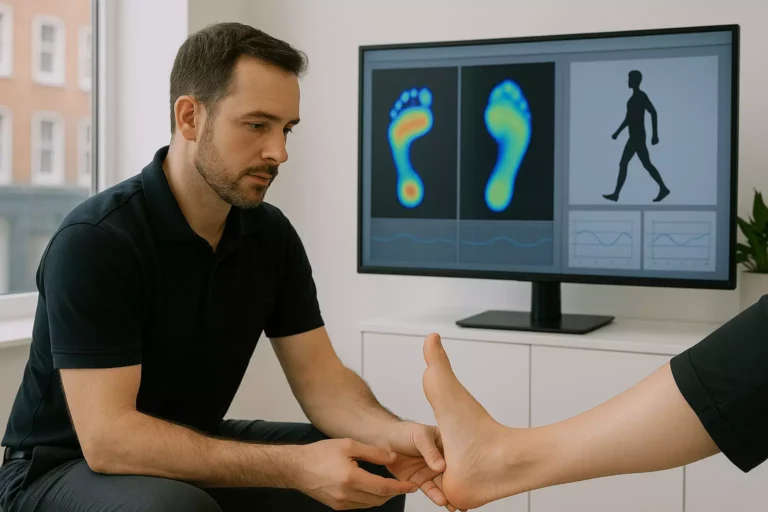
Lower extremity conditions may result from repetitive impact during running or jumping. Shin splints are a common issue for athletes, and this condition requires careful assessment of lower-leg biomechanics. Doctors may evaluate foot arches and gait patterns to isolate the mechanical fault. They recommend specific rest intervals to facilitate bone healing.

How Is Athletic Performance Enhanced?

Orthopedic sports medicine contributes to physical performance through biomechanical optimization. Physicians may analyze a patient’s movement patterns, and they identify structural weaknesses that hinder efficiency. Targeted strengthening programs correct these imbalances, resulting in improved power output for athletes. Efficient biomechanics translates to better athletic metrics across various sports.

Recovery optimization serves as another mechanism for performance enhancement. Specialists may monitor training loads, and they implement specific recovery modalities to manage fatigue. Proper rest protocols allow muscle fibers to rebuild stronger, which helps prevent the systemic breakdown associated with overtraining. This precise balance of stress and recovery maximizes physical potential, extending an athlete’s career longevity.

How Is Professional Care Beneficial?

Seeking care from an orthopedic specialist provides access to targeted medical expertise, as these physicians understand the specific physical demands of different sports. They tailor the recovery timeline to match athletic requirements. The use of evidence-based treatments may prevent long-term joint degeneration and optimize recovery.

Consult a Specialist Today

Orthopedic sports medicine offers specialized treatments for athletes, and physicians help them recover from injuries. Medical providers utilize specific techniques to repair tissue damage and restore joint function. Contact a local clinic today to schedule a consultation with a specialist.

How Lifestyle Changes Help Alleviate Neck Pain

0

Every day neck pain can limit mobility and comfort. Aching often results from common habits, and poor posture contributes significantly to ongoing discomfort. Chronic stress tightens neck muscles, and patients frequently notice stiffness that restricts head movement. Sleeping with the neck bent at awkward angles further aggravates the problem. Discomfort can arise during daily activities, and many seek medical interventions to relieve these symptoms. Acute injuries may occur during sports or exercise, but pain can also result from minor movements, and sudden strain may require timely evaluation to prevent worsening damage.

Managing Daily Habits

Certain daily behaviors contribute to recurring neck pain. Physical therapy helps address these behaviors, and it is a primary non-surgical treatment option. When patients attend therapy sessions, they improve neck mobility, and this structured care provides a safe, cost-effective intervention. Medical providers often begin with these minimally invasive options to promote natural recovery. Chronic stress produces ongoing muscle tension, and repeated stress leads to persistent aches that professionals note during exams. Posture plays a central role in symptom development. Individuals who spend long periods sitting or looking down experience additional muscle fatigue, and ergonomic adjustments can reduce ongoing strain.

Addressing Neck Pain

Acute injuries require prompt evaluation to prevent long-term problems. Whiplash often results from auto accidents, and this type of injury stretches the neck muscles. When a car is struck from behind, the head moves forcefully forward and backward, which can tear tendons and ligaments in the cervical area. Without treatment, these injuries may progress to chronic neck pain. Some people develop underlying disc damage, and symptoms can include tingling, prickling, or burning sensations. Compression of a nerve root in the spinal canal may cause cervical radiculopathy, and this condition leads to weakness and numbness that spreads into the arms. Nerves connect the spinal cord to the rest of the body, and damage along these pathways results in noticeable changes in function.

Evaluating Degenerative Conditions

Degenerative conditions gradually alter the structure of the cervical spine. Osteoarthritis affects the joints in this region, and spinal stenosis narrows the nerve pathways in the neck. As people age, osteoporosis or degenerative disc disease can develop, and these conditions produce persistent pain that complicates everyday movements. Herniated cervical discs also contribute to chronic discomfort. Medical providers conduct thorough physical exams, and they review the patient’s history to track symptom progression, while also ordering imaging tests when stiffness, tenderness, or restricted movement is present to confirm structural changes. X-rays, CT scans, or MRIs deliver precise images of vertebrae and discs, and these results support accurate diagnosis and targeted treatment.

Talk to a Specialist

Medical providers confirm the causes of neck pain through imaging and physical examination. Nonsurgical treatments can reduce discomfort without invasive procedures. Providers develop individualized plans that begin with cost-effective methods. If patients do not respond to anti-inflammatory medication or physical therapy, advanced interventions may follow. These options include epidural steroid injections, facet joint injections, platelet-rich plasma therapy, selective nerve blocks, the Discseel procedure, radiofrequency ablation, and spinal cord stimulation. Pain specialists identify the underlying causes and apply effective non-surgical solutions. Talk to a specialist in your area to learn more. 

What Parents Should Know About Contraception for Teens

0

Discussing contraception with a teenager requires accurate medical knowledge. Medical professionals provide targeted resources for families, and these materials help parents navigate conversations with their teens. Here is more information on teenage contraception, the different types available, what a consultation involves, and how professional guidance is beneficial:

What Is Contraception for Teens?

Contraception refers to various medical methods used to prevent pregnancy, and healthcare providers prescribe these pharmacological options to adolescents. Teens experience rapid physical changes, which medical professionals accurately evaluate. Doctors may review the patient’s overall health history before making definitive medical recommendations.

The primary goal of adolescent contraception involves preventing unintended pregnancies, but some methods also regulate irregular menstrual cycles. Some teens require targeted hormone therapy for severe uterine cramping. Doctors monitor these medical interventions closely, adjusting medication dosages based on the patient’s physiological responses.

What Are the Different Types?

Medical science offers multiple contraceptive categories, and healthcare providers categorize them by their specific mechanism of action. Barrier methods block sperm physically during intercourse. Hormonal methods alter the endocrine system, preventing ovulation from occurring altogether.

Long-acting reversible contraception provides extended protection, as doctors implant these devices directly into the patient’s body. Intrauterine devices sit inside the uterus to prevent fertilization on a cellular level. Subdermal implants release hormones steadily into the bloodstream, offering years of continuous reproductive coverage.

Short-acting hormonal methods require regular administration by the patient. Patients take daily oral contraceptive pills, or they receive scheduled intramuscular injections from a nurse. Each delivery mechanism has a specific side-effect profile. Physicians discuss these physiological impacts with the family in order to select the most appropriate delivery method.

What Does a Consultation Involve?

A clinical consultation begins with a comprehensive review of the patient’s medical history, and the practitioner documents any existing health conditions in the patient’s file. The doctor records familial medical history to identify genetic risks. Blood pressure measurements establish a baseline for cardiovascular health. Clinicians may measure height and weight to calculate body mass index.

The practitioner may explain the specific mechanisms of action of various medical devices, and this enables informed decision-making. Patients receive instructions regarding proper medication usage. Parents can participate in these educational discussions, which help their teens process complex medical information.

Follow-up protocols form a core component of the overarching consultation plan. The clinic may schedule a return visit to allow the doctor to monitor physiological adjustments. Patients report any adverse physical reactions during these follow-up appointments. The medical team adjusts the prescription as needed, and they update the patient’s electronic medical record accordingly.

How Is Professional Guidance Beneficial?

Professional guidance provides families with peer-reviewed, evidence-based information, helping teens and parents receive medically accurate answers to their reproductive questions. Continuous medical supervision protects long-term reproductive health function. Clinical oversight maintains physiological function, and it supports the adolescent’s overall physical well-being.

Book an Appointment Today

Teen contraception requires careful medical evaluation. Professional medical assessments match adolescent patients with appropriate pharmacological interventions. Families benefit from structured healthcare discussions, and these specialized appointments establish a plan for ongoing reproductive health.

Contact a women’s health center to schedule a comprehensive reproductive health evaluation. Medical staff provide evidence-based consultations to facilitate improved reproductive health. Book an appointment today and learn more about contraceptive options.