Home Blog Page 18

The Role of Pain Management in Dealing With Lumbar Spinal Stenosis

0

The spine changes with age. These changes affect the discs and joints, and they reduce the available space in the spinal canal. When this narrowing occurs in the lower back, it is called lumbar spinal stenosis, and it affects the surrounding nerves. This condition develops gradually. Pain management reduces symptoms and addresses functional limitations.

What Is Lumbar Spinal Stenosis?

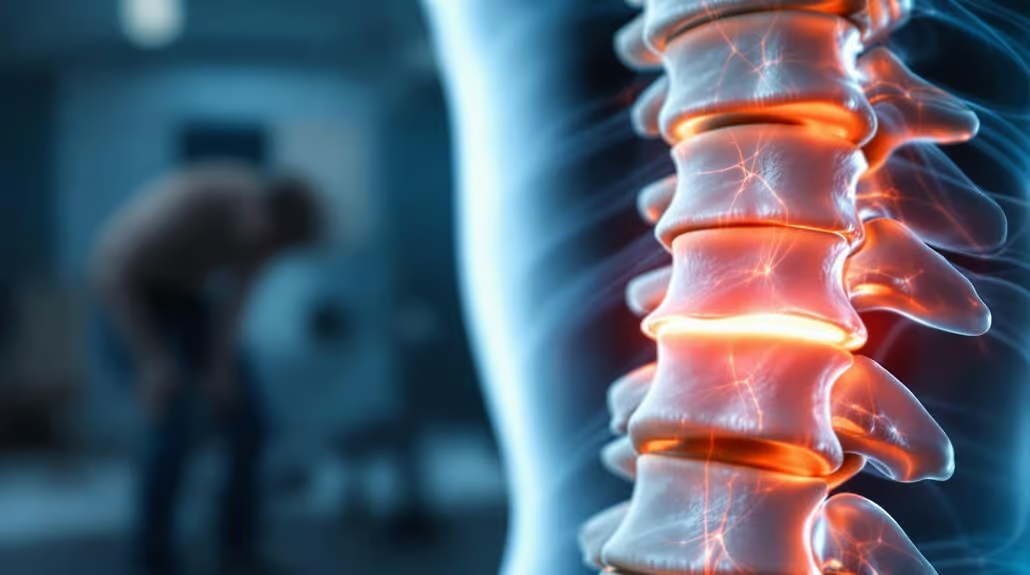
Lumbar spinal stenosis is a condition that involves narrowing of the spinal canal. The spine contains vertebrae and discs, and these structures create space for the spinal cord and nerves. As the body ages, the discs lose moisture, and they become less flexible over time. This change reduces the space in the spinal canal. When the canal narrows, it places pressure on nearby nerves, and this compression leads to physical discomfort. Although the process develops slowly, the structural changes affect movement and nerve function as the condition progresses.

What Are the Symptoms?

Symptoms vary among individuals. Some people experience mild discomfort. Others report more noticeable effects, and these symptoms often involve the lower back and legs. Nerve compression causes pain in the lower back, and it may extend into the buttocks or legs. Patients also report numbness or tingling. When symptoms worsen, muscle weakness can occur, and walking may become difficult over longer distances. While discomfort increases with activity, symptoms may decrease when the body is at rest, and this pattern reflects changes in nerve pressure.

How Is It Diagnosed and Treated?

Doctors diagnose lumbar spinal stenosis through evaluation. A physician reviews symptoms and medical history, and the process begins with a physical examination. Imaging tests provide additional detail. X-rays show structural changes, and advanced imaging methods offer clearer views of soft tissue and nerves. When imaging confirms narrowing, doctors use the results to guide treatment decisions, and this approach guides diagnosis because it identifies structural changes.

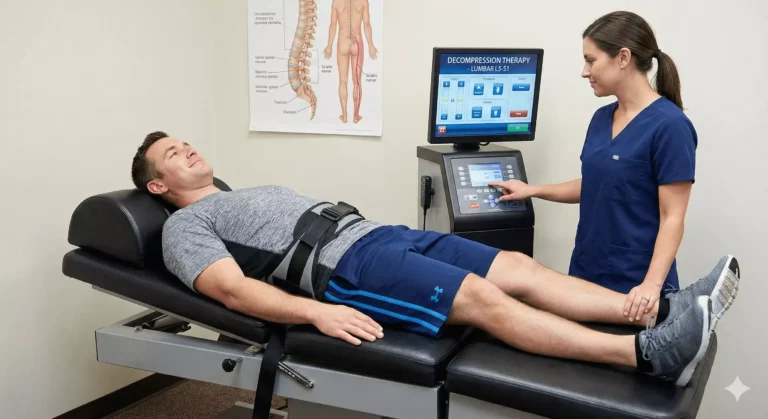
Pain management focuses on reducing discomfort and improving function. Treatment often begins with conservative methods. Anti-inflammatory medications reduce swelling, and physical therapy supports movement and strength. In some cases, physicians use injections to target nerve-related pain. These injections deliver medication near the affected nerves, and they reduce localized inflammation. For ongoing symptoms, minimally invasive procedures may be used, and these procedures create more space within the spinal canal. Treatment plans reflect symptom severity, and providers modify care based on clinical evaluation. Surgical options are considered in specific cases, and these procedures aim to relieve pressure on the spinal nerves.

Talk to a Specialist

Lumbar spinal stenosis results from gradual structural changes in the spine. These changes reduce space in the spinal canal, and they place pressure on nearby nerves. Symptoms include pain, numbness, and reduced mobility. Because diagnosis relies on physical evaluation and imaging, this process identifies the source of nerve compression, and it clarifies the condition. Pain management methods address these symptoms, and they include both conservative and procedural treatments. These approaches reduce symptoms, and they address functional limitations associated with the condition. Talk to a specialist to learn more by finding a clinic in your area. 

Understanding PEMF Therapy for Modern Wellness and Recovery

0

In today’s fast-moving world, people are constantly looking for effective ways to improve their health, recover faster, and maintain overall wellness. From fitness routines to advanced health technologies, the focus has shifted toward natural and non-invasive solutions. One such innovation gaining global attention is PEMF therapy, a method that supports the body’s natural healing process without medication or surgery.

PEMF therapy, or Pulsed Electromagnetic Field therapy, is widely used for recovery, pain relief, and improving physical performance. It is becoming a popular choice among athletes, fitness enthusiasts, and individuals seeking better health at home.

What is PEMF Therapy and How It Works

PEMF therapy uses electromagnetic waves to stimulate cells in the body. These waves help improve cellular function, increase blood circulation, and support the body’s natural repair mechanisms.

When cells function properly, the body heals faster and performs better. This is why PEMF therapy is often used for conditions like muscle soreness, joint pain, and fatigue. It is a safe and non-invasive solution that works at a deeper level compared to traditional treatments.

Benefits of PEMF Therapy for Daily Life

One of the main advantages of PEMF therapy is its wide range of benefits. It not only helps with recovery but also improves overall well-being.

Regular use of PEMF devices can:

  • Reduce muscle and joint pain
  • Improve sleep quality
  • Boost energy levels
  • Enhance physical performance
  • Support faster recovery after workouts

These benefits make it an ideal choice for people who want to maintain an active and healthy lifestyle.

PEMF Therapy for Recovery and Pain Relief

Recovery is an important part of any fitness or wellness routine. Without proper recovery, the body becomes more prone to injuries and fatigue.

PEMF therapy helps speed up recovery by improving blood flow and reducing inflammation. This allows muscles to heal faster and reduces discomfort after intense physical activity. It is especially useful for athletes and individuals with physically demanding routines.

Safe and Non-Invasive Health Technology

One of the reasons PEMF therapy is gaining popularity is its safety. Unlike medications that may cause side effects, PEMF devices offer a natural approach to healing.

The therapy is non-invasive, painless, and easy to use at home. Many people prefer it as a long-term wellness solution because it supports the body without introducing harmful chemicals.

Choosing the Right PEMF Device

With the growing demand for PEMF therapy, many devices are now available in the market. However, choosing a high-quality and reliable device is essential for achieving the best results.

For those looking for an advanced and effective solution, the PEMFworld platform offers innovative devices designed for recovery and overall wellness. Their technology focuses on improving cellular health and delivering consistent results.

A Reliable Option for Home Wellness

Home-based health solutions are becoming more popular as people prefer convenience and comfort. PEMF devices allow users to take control of their wellness routine without visiting clinics regularly.

If you are exploring high-performance wellness devices, you can consider options like PEMF P90, which is designed to support recovery, improve energy levels, and enhance overall health through advanced electromagnetic technology.

Integrating PEMF Therapy into Your Routine

Using PEMF therapy regularly can significantly improve your daily life. Whether you use it after workouts or as part of your relaxation routine, it helps maintain balance and supports long-term health.

Consistency is key when it comes to seeing results. With regular use, many individuals notice improved energy, reduced pain, and better overall performance.

Conclusion

PEMF therapy is transforming the way people approach health and wellness. It offers a natural, safe, and effective solution for recovery, pain relief, and overall well-being.

As more people move toward non-invasive health technologies, PEMF devices are becoming an essential part of modern lifestyles. By choosing reliable solutions and using them consistently, individuals can achieve better health, faster recovery, and a more active life without relying on traditional treatments.

Managing Arthritis Pain With Complementary Therapies

0

Arthritis causes painful joint swelling and frustrating daily stiffness for many adults, and some explore various complementary health options. Because this chronic condition triggers consistent physical pain, it severely limits your regular physical movement and mobility. These unique alternative therapies consistently provide distinct ways for patients to comfortably manage their daily symptoms. Here is more information about these complementary therapies:

Yoga and Tai Chi

Daily yoga aims to build core muscle strength, and tai chi helps improve your physical balance. Because both distinct practices focus heavily on smooth bodily movement, they aim to protect sensitive joints in people with arthritis. These practices involve very deep and highly purposeful breathing techniques for maximum deep physical relaxation. You strictly follow a slowly guided exercise sequence, so your aging body comfortably stays active safely.

If a specific guided stretch hurts your body, you can modify the physical movement for safety. Instructors may actively teach safe joint alignment for each pose during the class. These daily routines effectively stretch tight muscles, and your overall physical flexibility may increase with consistency.

Acupuncture

Trained practitioners target specific body points with tiny needles, and this precise process stimulates your underlying nerves. When experts carefully insert the extremely thin needles, your body naturally releases endorphins that act as chemical painkillers. Your muscles actively relax during the quiet session, so your overall joint mobility may improve.

While some cautious patients avoid needles initially, the gentle therapeutic treatment typically does not cause pain. Sessions are short, but the resulting physical relief lasts much longer. The experienced health provider gently taps each sterile needle into the correct place on your bare skin. Since the therapeutic needles remain extremely thin, most resting patients barely feel them during the actual treatment.

You lie still on a padded table inside a treatment room. After the practitioner finishes the careful insertion process, you typically rest quietly for several minutes. Clients may have less morning joint stiffness, and they walk much more easily afterward. Regular weekly clinic visits consistently build upon these positive physical mobility results.

Massage Therapy

Professional therapeutic massage therapists can rub your tense body muscles to effectively relieve deep physical tissue tension. Tight bodily tissues may loosen up quite significantly, and healthy blood flow actively increases throughout the entire area. When local fluid circulation improves naturally during treatment, uncomfortable joint swelling typically goes down over a few hours. 

Heat and Cold Therapy

Frozen therapy ice packs comfortably numb sharp joint pain, and warm heating pads actively relax stiff body muscles. Try these soothing daily temperature treatments:

  • Warm baths
  • Cold massages
  • Heated wraps

While cold therapy rapidly decreases painful joint inflammation, gentle heat therapy actively soothes frustrating daily morning stiffness. You alternate these specific physical therapies easily at home, so your sensitive joints feel much better overall.

Find Complementary Arthritis Therapies

Before you begin any completely new physical routines, talk directly to your personal primary medical doctor today. Professional medical advice keeps you completely physically safe, and highly trained doctors properly guide your therapy choices. Research various options in your community for the most effective care options. Because your sore joints need immediate medical care, book your first professional consultation phone call today.

Understanding the Unique Challenges Faced by Gastroenterology Patients

0

A gastroenterologist addresses the health of the stomach and intestines.  Many patients face severe digestive system challenges. These physical issues disrupt daily life, and they require immediate medical attention. Although treatments exist, patients experience unique daily struggles.

Conditions of Gastroenterology

Various gastroenterologist treated conditions that impact the entire digestive tract. Acid reflux causes chest discomfort, and ulcerative colitis affects the lower colon. If you have acid reflux, simple tasks like eating or lying down trigger symptoms, making social situations challenging. Because celiac disease affects the intestine, strict dietary modifications are required. Hepatitis C affects the liver, and gallstones block the bile ducts. Hepatitis C raises various concerns that are included in routine health monitoring. Gallstones sometimes lead to abdominal discomfort, and it requires medical intervention. When Barrett’s esophagus develops, the tissue in the esophagus changes. Monitoring for tissue changes is part of ongoing care, and screenings help detect them. Understanding these conditions helps you communicate with your care team.

Symptoms of Problems

You may experience a range of physical symptoms affecting the digestive tract. Acid reflux causes heartburn, and regurgitation leads to bad breath. Many people with gastrointestinal issues report symptoms that affect daily activities and vary in severity. Difficulty swallowing can cause throat pain, and ongoing irritation may lead to laryngitis. Issues in the lower digestive tract can cause diarrhea, disrupting routines and requiring diet changes. Do not ignore your symptoms.

Indigestion is common, and gas or bloating often follows; fatigue also restricts activity. A sensation of something stuck in the throat makes eating or drinking uncomfortable. Nausea leads to vomiting, and chronic coughing disrupts sleep. Those with a chronic cough and reflux may struggle to rest, which in turn contributes to tiredness. A bad taste at the back of the mouth sometimes occurs with reflux.

Pain or swelling around the anus causes daily discomfort, and these symptoms prompt individuals to seek medical attention. Difficulty swallowing can lead to weight changes. Discuss concerns about nutrition, so regular care can be given for your health. Tracking your symptoms and sharing them with your provider helps develop a care plan tailored to your needs.

Treatments and Disease Management

A gastroenterologist will use a range of targeted treatments. Weight loss supports overall health, and smoking cessation is often advised as part of disease management. These lifestyle changes play a central role in managing chronic conditions and supporting daily function. Fiber intake is adjusted on an individual basis. You might be advised to refrain from straining on the toilet, and oral pain relievers are suggested for discomfort. Follow the plan made for you.

Diet modification may be helpful, and working with a registered dietitian can identify supportive foods. Since adjusting caffeine and alcohol intake is often part of care, changes help reduce certain symptoms. Your healthcare team helps determine medication choices. Supportive changes require consistency, so follow your team’s guidance and update your plan as needed. Ongoing check-ins and small adjustments to your plan help you work toward your goals and maintain comfort.

Book a Gastroenterologist Today

Expert medical guidance is influential, and early diagnosis prevents many severe long-term health complications. Schedule a professional colonoscopy for necessary cancer screening. While GI symptoms cause daily discomfort, modern treatments may provide relief. Take control of your overall digestive health. Discuss your specific symptoms openly, and follow the prescribed medical treatment today.

How Fat Grafting Is a Natural Solution for Breast Augmentation

Fat grafting is an approach to breast augmentation that uses a patient’s own fat to enhance breast shape and volume. This method is often recommended for individuals seeking subtle and natural-looking results without the use of implants. Here’s more information on how fat grafting works as a natural solution for breast augmentation:

Natural Enhancement Benefits

The fat grafting enhancement process requires a methodical sequence of surgical steps. Before a surgeon places the fat, they extract it carefully from a selected donor site. Surgeons purify the extracted fat, and they inject it into the breast tissue. While the purified fat integrates into the new location, blood vessels form around the cells, and the body establishes a permanent blood supply.

To make sure the transferred tissue survives, surgeons inject small amounts of fat in multiple layers. If a surgeon places too much fat in one spot, the tissue lacks adequate blood flow. The medical team monitors the injection process closely, and they distribute the cells evenly throughout the breast. As the cells settle into the existing tissue, the body adapts to the new volume, and the final shape gradually emerges.

Clear Treatment Differences

Autologous fat transfer presents distinct differences from traditional breast implants. While implants rely on silicone or saline, this procedure exclusively uses your natural body tissue. Patients do not receive foreign objects in their bodies, and the physical results feel natural to the touch. Here are fundamental factors that separate this technique from traditional approaches:

  • Material source: The procedure uses your own body fat rather than synthetic medical products.
  • Dual contouring: Surgeons reduce fat in donor areas, such as the abdomen or thighs, while increasing breast volume.
  • Tissue integration: The transferred cells become a living part of the breast tissue over time.

If an individual is interested in a subtle change in volume, this method works well, but it does not produce significant size increases. After patients review these differences, they can make informed medical decisions

Suitable Candidate Profiles

Medical professionals look for specific physical traits, and they evaluate each patient thoroughly. Here are the factors that make a candidate eligible for fat grafting:

  • Moderate goals: Individuals seeking a one-cup-size increase often achieve the most predictable outcomes.
  • Asymmetry correction: Patients with uneven breasts can attain better balance through targeted fat injections.
  • Implant removal: People who have had previous implants removed use this method to restore their natural breast volume.

Although many people qualify for the procedure, you must consult a professional to confirm your medical eligibility.

Realistic Recovery Expectations

As you contemplate your post-surgery plans, you should schedule adequate rest time for proper healing. Swelling occurs in both the donor and recipient sites after fat grafting, but it generally subsides within a few weeks. While the initial volume may appear larger immediately after surgery, the body naturally absorbs some fat cells, and final results emerge after several months.

Make sure to wear your prescribed compression garments; these garments reduce swelling effectively. They also support the healing tissues throughout the recovery phase. If you follow these key steps diligently, you promote the successful integration of the new fat cells. Patients must attend all scheduled follow-up appointments, and doctors use these visits to monitor healing progress.

Request a Fat Grafting Consultation

Fat grafting offers a viable approach to natural breast enhancement. When patients choose autologous fat transfer, they use their own tissue for a subtle volume increase. To explore this natural option further, contact a certified plastic surgeon in your area to schedule your fat grafting consultation today.

Tips for Finding Relief From Ingrown Toenails

0

An ingrown toenail occurs when the hard edge or corner of your nail grows directly into the soft flesh of the adjacent skin. This common structural issue most frequently affects the big toe, leading to localized swelling, redness, and general discomfort. The pressure from the nail digging into the skin can make it difficult to wear shoes or walk. Finding relief often involves a combination of straightforward strategies. You can start by trying simple home remedies to manage the irritation. Over-the-counter options provide an additional layer of support. Many people find success with basic soaking techniques, but persistent issues may require a professional evaluation.

At-Home Solutions for Ingrown Toenail

If you experience early signs of an ingrown toenail, simple habit changes and basic foot care can ease discomfort.

  • Warm water soaks: Soaking your foot in warm water for 10 to 20 minutes softens the nail and reduces swelling. You can add Epsom salt to the water. Dry your feet thoroughly after soaking.
  • Proper footwear: Tight shoes put unnecessary pressure on your toes, pushing the skin closer to the nail edge. Choose open-toed shoes, sandals, or footwear with a wide toe box until the toe improves.
  • Correct trimming: How you cut your nails plays a significant role in foot health. Cut your nails straight across rather than rounding the edges down into the corners. Keeping the nails at a moderate length prevents them from digging into the surrounding skin as they grow.

Over-the-Counter Remedies

Several over-the-counter products at your local pharmacy can help manage tenderness and protect the toenail as it grows out. Nonprescription pain relievers, such as ibuprofen or acetaminophen, may help reduce localized pain and inflammation in the short term; follow the package instructions for dosage. Applying an over-the-counter antibiotic cream or ointment to the affected area can help keep the skin clean and provide a barrier against external elements. After applying a topical ointment, the area should be covered with a fresh, sterile bandage, which should be changed daily. Toe caps, silicone sleeves, or toe shields can provide a physical barrier between your toes and the inside of your shoe. This extra padding helps reduce friction during walking or standing, making daily movement more comfortable.

Professional Medical Help

Home care may be effective for mild cases, but it is not always sufficient. Seek professional medical help if your symptoms worsen or do not improve. Pay close attention to signs of a potential infection, such as severe redness that spreads, a sensation of warmth around the toe, or any pus or fluid draining from the area. It is particularly recommended for individuals with certain pre-existing conditions to bypass home remedies and see a healthcare provider immediately. This includes anyone with diabetes, peripheral neuropathy (nerve damage), or poor blood circulation, as these conditions may increase the risk of complications and affect the body’s ability to heal.

A healthcare provider can offer specific procedures to address the nail directly. They may gently lift the nail and place a small piece of cotton or dental floss under the ingrown edge. This separation encourages the nail to grow above the skin edge instead of into it. In more severe or recurring cases, a doctor might remove a portion of the nail. They will numb the toe with a local anesthetic, and they will carefully cut away the ingrown section. This procedure offers a direct solution to the structural problem.

Talk to a Podiatrist Today

While initial steps at home often provide temporary comfort, ongoing or severe issues require expert attention. A podiatrist specializes in foot and ankle care, and they bring specialized tools and training to your situation. They can assess your specific symptoms and recommend a clear treatment. If you experience repeated ingrown nails, a podiatrist can also discuss long-term preventative strategies to keep your feet healthy. Reach out to a local foot specialist today to discuss your symptoms and get the precise guidance you need.