
Home Blog Page 36

The Connection Between Pelvic Pain and Prostate Issues

0

Pelvic pain can be linked to a range of conditions, including infection, inflammation, benign prostate disorders, and in some cases, prostate cancer. These symptoms may overlap; it is fundamental for patients to understand when persistent or unexplained pelvic discomfort requires further evaluation. Here are some key points to understand about the connection between pelvic pain and prostate issues:

Recognizing Pelvic Pain

Pelvic pain feels different for every patient; some men describe a dull ache, while others experience sharp spasms in the lower abdomen. The pain may remain in one spot, or it can travel to the lower back. If the prostate is inflamed, the pain often worsens during urination. A patient may notice blood in his urine and have trouble emptying his bladder. These symptoms require immediate medical evaluation. Doctors assess the timing of the pain, and they also ask patients about other physical changes. Pelvic discomfort is often linked to other illnesses, such as prostate cancer; a precise description is a key part of the diagnosis. 

Understanding Prostate Conditions

Several conditions affect the prostate gland; although they share similar symptoms, each illness requires a thorough medical approach. Doctors evaluate the prostate, and they look for the following medical conditions:

  • Prostatitis: This is an infection or inflammation of the prostate.
  • Benign Prostatic Hyperplasia: This condition involves a non-cancerous enlargement of the gland.
  • Prostate Cancer: This illness causes cells in the prostate to multiply rapidly.

These conditions cause pelvic pressure, and they often change how a man urinates. Accurate testing is a fundamental step for your overall health.

Exploring Cancer Concerns

Prostate cancer is a serious illness that affects men. When cells divide uncontrollably, they form tumors inside the walnut-sized gland. This condition grows slowly, but it can become life-threatening without treatment.

If preventive screenings show abnormal results, doctors may contemplate a cancer diagnosis. A patient may lack early symptoms, so regular checkups are helpful. Men over the age of 50 face a higher risk. Family history also plays a key role in a patient’s risk level. A man has a higher chance of disease if his father had prostate cancer. African American men also face increased risks, and they should seek early medical screenings.

Identifying the Cause

Medical professionals use several methods to evaluate prostate health. After a doctor reviews your medical history, he performs a physical examination. He asks about your lifestyle, and he conducts the following clinical tests:

  • Digital Rectal Exam: The doctor checks the size and shape of the prostate.
  • PSA Test: A blood test measures prostate-specific antigen levels.
  • Biopsy: The doctor removes a small tissue sample for laboratory testing.

When a digital rectal exam indicates an enlarged prostate, the doctor may order an ultrasound. A biopsy helps confirm the presence of cancer cells. The doctor reviews all test results, and he creates a personalized care plan.

Schedule Your Prostate Cancer Appointment

Timely screening and diagnostic tests play a significant role in the detection and management of prostate cancer. Procedures such as the digital rectal exam, PSA test, and biopsy provide key information about prostate health and the potential presence of cancer. If abnormalities are identified, further steps, such as an ultrasound, can help confirm a diagnosis and enable the creation of a tailored treatment plan. Contact a qualified urologist near you to schedule your prostate cancer appointment today.

Identifying and Treating Common Causes of Leg Pain

0

Leg pain is a common symptom among cardiology patients, and it often indicates an underlying vascular condition. Identifying the specific origin of this discomfort guides the clinical approach. A thorough evaluation by a medical professional provides information on the current state of your circulatory system. Here is more information on leg pain:

What Is Leg Pain?

Leg pain manifests as physical discomfort anywhere between the pelvis and the heels and can originate from various anatomical structures. It presents as a dull ache or a sharp sensation, and patients may describe it as a cramping feeling during physical activity. Medical professionals evaluate the duration and severity of the pain during an initial consultation. Diagnostic tools isolate the affected veins or arteries, dictating the next phase of treatment.

What Causes It?

Several vascular conditions lead to lower extremity discomfort, and peripheral artery disease (PAD) is a common diagnosis. PAD occurs when narrowed arteries reduce blood flow to the limbs, leading to claudication during exercise. Chronic venous insufficiency (CVI) also contributes to this problem. CVI occurs when leg veins fail to return blood to the heart, causing blood to pool in the lower extremities.

Deep vein thrombosis (DVT) is another serious medical condition that involves a blood clot in a deep vein. This clot blocks normal circulation, and the surrounding tissue swells rapidly. DVT requires immediate medical evaluation to prevent the clot from traveling to the lungs. Physicians may use ultrasound imaging to confirm the presence of DVT, and they monitor the patient during the initial diagnostic phase.

Vascular issues can sometimes progress to open wounds, known as leg ulcers. Leg ulcers typically develop around the ankles, and they result from prolonged fluid accumulation or poor arterial circulation. These wounds heal very slowly without proper medical intervention. Specialized wound care helps prevent bacterial infections, and advanced dressings manage the localized fluid drainage.

What Are the Symptoms?

The clinical presentation of vascular issues varies, but patients may report a heavy or aching sensation in their calves. Skin discoloration is a marker of venous disease, with the affected area appearing red or blue. Swelling around the ankles may worsen throughout the day and subside after elevating the legs. Numbness or coldness in the lower extremities indicates poor arterial flow.

Patients with PAD may experience pain during walking. DVT often presents with sudden warmth in one leg, and the affected calf becomes tender to the touch. Leg ulcers appear as shallow craters on the skin surface that may produce discharge. Recognizing these physical changes aids in timely diagnosis, and prompt reporting to a physician helps improve overall outcomes.

What Are the Treatment Options?

Medical providers offer several therapies for vascular issues, and sclerotherapy is a standard procedure for certain vein abnormalities. During sclerotherapy, a doctor injects a solution directly into the affected vein, causing the vessel to collapse and fade. Oral anticoagulant medication prevents existing clots from growing larger.

Endovenous radiofrequency ablation uses heat to close malfunctioning veins, and blood naturally reroutes through healthier pathways. Endovenous laser therapy operates on a similar principle, using light energy to seal the problematic blood vessels. Severe arterial blockages require mechanical intervention, and a minimally invasive peripheral angioplasty opens these narrowed pathways. Doctors may also perform an atherectomy to physically remove the plaque buildup from the arterial wall.

Consult a Cardiologist Today

Vascular discomfort requires proper medical attention, with early intervention helping to halt the progression of underlying diseases. A thorough examination identifies issues like PAD or DVT, and the resulting treatment plan targets the root cause. Schedule an evaluation with a cardiovascular specialist to discuss your symptoms.

The Impact of Allergies on Asthma

0

Asthma is a chronic condition affecting the respiratory system, and it impacts many people worldwide. This specific illness constricts the sensitive air passages inside your lungs. Because the airways react quickly to irritants, taking a normal deep breath becomes quite difficult. Here is more information on the impact of allergies on asthma, and how these two conditions interact:

Causing Inflammation

The body’s immune response to allergies generates swelling and inflammation. Cells release histamine into the bloodstream, and this powerful chemical directly irritates the airways. While the internal inflammation persists, your normal breathing rhythm remains completely disrupted. This ongoing process can also lead to increased mucus production, further narrowing the airways and amplifying breathing difficulties.

These factors can apply:

  • Allergens such as pollen, dust mites, or pet dander trigger the immune system to release histamine, leading to swelling and irritation in the airways.
  • Exposure to irritants can cause an overproduction of mucus, further narrowing the breathing passages.
  • The inflammatory response may increase the sensitivity of the airways, making them more prone to asthma attacks.
  • Repeated allergic reactions may result in chronic airway inflammation, exacerbating asthma symptoms over time.

Triggering Attacks

Allergens enter the body through the nose or the mouth during normal daily activities. When your immune system detects these foreign particles, it reacts very strongly to protect your health. Your body misidentifies harmless particles as threats, and it quickly mounts a strong biological defense mechanism.

Because your body reacts this way, you experience sudden and uncomfortable asthma symptoms without much warning. Triggers include microscopic dust mites and the dander shed by your household pets. Pollen acts as a typical outdoor trigger, and airborne mold spores also affect your breathing negatively.

Exposure to these natural elements starts a rapid response inside your delicate respiratory system. The airways respond to the perceived threat, and the surrounding muscles contract almost immediately. If you encounter these specific allergens daily, your uncomfortable breathing symptoms may persist for long periods.

Elevating Intensity

Allergies make existing asthma attacks much more severe for the average person. While mild asthma feels manageable on most days, seasonal allergies escalate the situation very quickly. The allergic reaction compounds the baseline asthma, and your respiratory symptoms multiply at a rapid pace.

A minor wheeze turns into a major breathing struggle for many affected individuals. The chest feels tight, and the coughing episodes increase in frequency. Because the lungs face two issues simultaneously, full recovery may take a longer time.

Tightening Airways

As the allergic reaction reaches its peak, the delicate bronchial tubes narrow significantly. This dangerous narrowing creates a highly restricted path for oxygen to travel through your lungs. You experience specific physical signs, and they appear very quickly:

  • Shortness of breath
  • Wheezing
  • Chest pressure

This tightening of the airways is a serious condition that requires immediate attention. Breathing may feel difficult and labored. While symptoms can sometimes subside on their own, seeking prompt medical care ensures proper treatment and prevents escalation.

Get Treated for Asthma

Medical professionals offer various effective treatments for managing this dual respiratory condition. If you address both issues properly, your daily life improves significantly. Schedule a visit with a doctor today, and explore your available therapy options. With the right combination of medication, lifestyle adjustments, and medical support, you can take control of your symptoms and breathe easier.

Medical vs. Cosmetic Dermatology

0

Dermatology encompasses different fields that address a wide range of skin concerns. Patients seek care for various reasons, so understanding the distinction between medical and cosmetic dermatology helps guide treatment decisions. Here is more information on this medical specialty and the available services:

What Is Medical Dermatology?

Medical dermatology focuses on diagnosing and treating skin disorders, including diseases affecting the skin, hair, and nails. Practitioners in this field address functional issues with the primary goal of restoring skin health. A dermatologist evaluates symptoms thoroughly, and they develop a clinical treatment plan based on the diagnosis.

What Is Cosmetic Dermatology?

Cosmetic dermatology centers on aesthetics, and it primarily addresses the visual appearance of the skin. Patients may choose these treatments to alter specific features or to reverse visible signs of aging. The focus shifts from treating disease to enhancing physical traits, so the procedures are typically elective. This field uses advanced technologies to modify skin texture and tone.

What Are the Available Services?

Medical dermatology offers services such as skin cancer screenings and the prescription of topical or oral medications. Doctors perform excisions to remove malignant lesions, and they utilize cryotherapy to destroy abnormal tissue. Cosmetic dermatology provides treatments such as Botox injections and dermal fillers. Clinics also offer chemical peels and laser therapy for targeted skin resurfacing.

Both fields share overlapping environments, but the specific services target different outcomes. Some clinics provide comprehensive care, enabling patients to access medical and cosmetic services in one location. This dual approach streamlines patient care.

What Conditions Do Dermatologists Treat?

Medical dermatologists treat severe acne, psoriasis, and eczema. They diagnose skin infections, and they monitor suspicious moles for signs of melanoma. Cosmetic dermatologists primarily focus on issues such as wrinkles, fine lines, and hyperpigmentation. They also address facial volume loss and superficial scarring from past injuries.

Specific conditions often dictate the type of provider required, which necessitates that patients understand their symptoms. Medical conditions include rosacea, autoimmune skin diseases, and severe allergic reactions. Cosmetic concerns involve sun damage, uneven skin tone, and mild structural asymmetries. Patients with overlapping conditions require careful evaluation, and a qualified dermatologist can effectively navigate both sets of needs.

How Is Professional Care Beneficial?

Professional care provides diagnoses and helps prevent the progression of undocumented skin diseases. Dermatologists possess specialized medical training, so they can identify subtle symptoms that untrained individuals miss. They offer access to prescription-grade treatments and clinical tools that are unavailable over the counter. This level of expertise maximizes the effectiveness of the chosen interventions.

Seeking specialized care may reduce adverse reactions and protect the skin from improper handling. Professionals monitor the healing process closely and adjust treatment variables based on patient responses. Long-term skin health requires consistent medical supervision, which routine appointments facilitate. Early detection of severe diseases helps save lives, and prompt aesthetic corrections may yield predictable outcomes.

Consult a Dermatologist Today

Medical and cosmetic dermatology serve distinct purposes, but both fields contribute to overall skin health. Understanding your specific needs guides your search and connects you with the appropriate medical professional. Schedule an appointment with a certified dermatologist to discuss your physical symptoms or aesthetic goals in detail.

What To Expect at a Scar Correction Appointment

0

Scheduling a scar correction appointment is often the first step toward improving a scar’s appearance, texture, or comfort. During the visit, patients can expect an evaluation of the scar’s type, along with a discussion of available treatment options and realistic outcomes. Here is more information on what to expect at a scar correction appointment:

Preparation and Evaluation

A thorough evaluation is a key step in the scar correction process. The team reviews several factors, and they document your skin condition. When you prepare for this visit, you provide helpful details to the doctor. Medical history can impact the outcome; the provider asks specific questions. Patients can prepare for the initial visit by gathering the following documents and information:

  • Bring a list of current medications and supplements.
  • Collect records of previous skin surgeries or treatments.
  • Write down specific questions about the procedure.
  • Note any known allergies to local anesthetics.

These steps streamline the consultation process. The provider reviews the collected data, and the medical staff updates your file. When the team has all the facts, they can plan the treatment safely.

Treatment Options and Expectations

Providers offer several methods for scar revision. The doctor discusses the available options, and you select the most suitable approach. Different scars require different treatments, making a customized plan a fundamental requirement. If you have acne scars, the doctor may recommend microneedling.

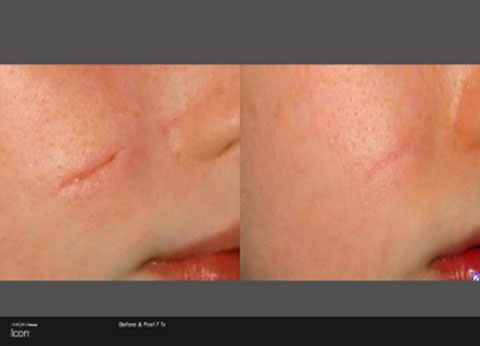
Some treatments involve laser therapy or topical medications. The dermatologist explains the benefits and outlines the risks. When you review these facts, you gain realistic expectations about the results. Although complete scar removal is rarely possible, treatments significantly reduce scar visibility, and patients can experience improved skin texture. Surgical scar correction is another clinical option; the surgeon removes the old scar and closes the wound with precise techniques. Before you agree to surgery, you must contemplate the recovery time, and the doctor must explain the post-operative care protocol.

Appointment Process Overview

The medical staff prepares the treatment room, and the doctor gathers the required instruments. When the procedure begins, the provider administers local anesthesia, and the staff monitors your vital signs. The scar correction appointment generally includes the following steps:

  • The nurse cleans the treatment area with an antiseptic solution.
  • The doctor applies the chosen scar correction technique.
  • The medical team places a sterile dressing over the site.
  • The staff provides written aftercare instructions.

The doctor completes the procedure, and the nurse assists with the final dressing. After the treatment ends, the staff schedules a follow-up visit, and you return home for recovery.

Recovery and Follow-Up Care

Recovery time depends on the specific treatment method. The medical staff provides detailed instructions, and you follow these rules at home. If you undergo laser therapy, your skin requires sun protection. When patients follow the aftercare guidelines, the wound heals properly. Follow-up appointments monitor the healing progress. The doctor examines the treated area, and the nurse changes the bandages. If the doctor notices an issue, they adjust the treatment plan, and the clinic staff updates your medical chart.

Schedule Your Scar Correction Appointment

Scar correction provides measurable improvements for damaged skin. The process involves an initial consultation, and the treatment requires specific steps. When you decide to treat a scar, a professional evaluation determines the best approach, and the medical team guides your recovery. Contact a qualified dermatologist near you to schedule your scar revision appointment today.

The Aesthetic Advantages of Choosing Veneers

0

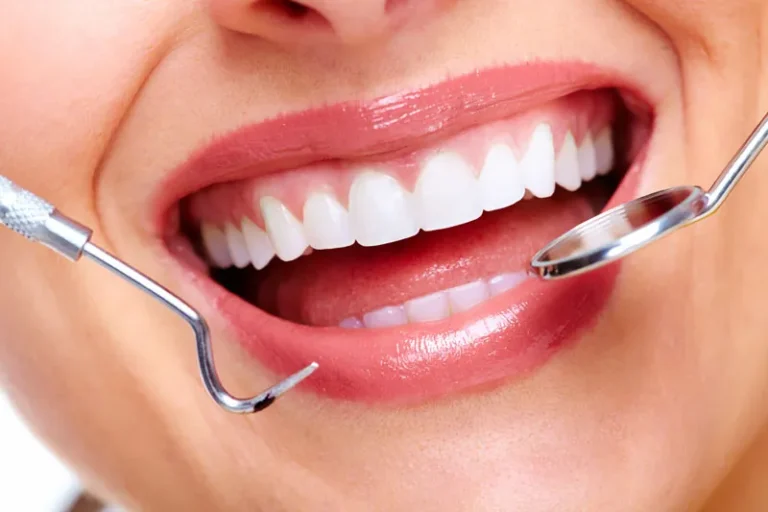
Improving the appearance of your smile can support overall oral wellness. Within general dentistry, veneers are a cosmetic option for addressing concerns such as discoloration, uneven spacing, worn enamel, and minor shape irregularities. Understanding the aesthetic benefits of veneers can help patients decide whether this treatment aligns with their goals and long-term dental care needs. Here are some of the aesthetic benefits of choosing veneers through general dentistry:

Improving Tooth Appearance

Some stains are too deep for whitening treatments. When that happens, general dentistry providers use veneers to cover the stains. The dentist will choose the right color for the veneers so all your teeth look evenly bright. While regular whitening works on surface stains, veneers cover the entire front of your teeth and maintain their color for a long time.

Dentists begin by evaluating the cause of your tooth staining. If it’s just on the surface, whitening may work. For stains inside the tooth, such as those caused by medication or injury, veneers often work better. The dentist covers the stained parts with the veneer so your teeth look white and clean.

Refining Smile Symmetry

Asymmetrical teeth disrupt the visual balance of a smile; teeth that differ in shape or size can make a smile look uneven. Dentists check each tooth, and they design veneers to make them all look alike. Placing veneers can change the length and width of your teeth. Enamel does not regenerate naturally, requiring general dentistry providers to add synthetic material to alter the shape, and veneers fulfill this structural requirement effectively. Veneers can provide the following benefits:

  • Lengthening teeth that appear disproportionately short.
  • Restoring edges that show signs of physical wear.
  • Modifying the contour of irregularly shaped incisors.

The fabrication process requires precise clinical measurements. The laboratory technicians manufacture the units, and the dentist bonds them to the prepared surfaces. Before the final placement occurs, the clinician must make sure the fit aligns with the adjacent teeth. If the dimensions are incorrect, the provider adjusts the material, and the patient receives a balanced final restoration.

Minimizing Visible Gaps

Diastemas are another common aesthetic challenge in general dentistry. Orthodontic appliances can close these spaces, but veneers offer a faster alternative for minor gaps. As long as the bite functions correctly, dentists use these shells to widen the appearance of the affected teeth. Although severe misalignment requires structural repositioning, mild spacing issues respond well to cosmetic coverage.

The fabrication step dictates the width of the final restorations. The laboratory models the new dimensions, and the practitioner tests the fit. Before the permanent bonding occurs, the general dentistry team evaluates the occlusion to verify proper alignment.

Supporting Natural Results

Modern dental materials replicate the light-reflecting properties of biological enamel. Porcelain exhibits slight translucency, which prevents restorations from looking artificial. When laboratory technicians construct the units, they layer the ceramics to mimic natural tooth structure. The dentist also takes detailed impressions, and the laboratory customizes the final product accordingly. A customized clinical approach is key for optimal aesthetic integration within the oral cavity.

Schedule Your General Dentistry Appointment Today.

Veneers provide a reliable method for addressing multiple aesthetic dental concerns. The procedure modifies tooth color, and it establishes structural symmetry across the visible smile. If a patient presents with minor gaps, the dentist uses these restorations to create a uniform appearance. Contact a qualified dental provider near you to schedule your general dentistry appointment today.