
Home Blog Page 38

The Benefits of Invisalign for Teens

0

Invisalign is a clear aligner system, and it is used to move teeth into a straight position safely. Because teenagers typically undergo ongoing dental changes, this method offers a highly practical alignment option. The system relies on clear plastic trays, and patients wear these removable trays almost every day. Here is more information about the benefits of Invisaligns:

Provides Removable Option

When teenagers sit down to eat their daily meals, they take out the plastic aligner trays quickly. They eat their favorite normal foods, and they completely avoid all standard orthodontic dietary restrictions easily. The clear plastic trays return right back into the mouth immediately following the daily meal.

Patients successfully maintain completely normal eating habits during the entire treatment timeframe. Users thoroughly brush their natural teeth, and they carefully clean the clear plastic trays with a brush. Daily dental hygiene routines remain largely unchanged throughout this orthodontic alignment process for the teen.

Since the aligner trays are fully removable, teenagers brush their teeth without navigating around metal brackets. Flossing happens quite normally without threading tiny strings behind bulky metal wires every single night. This combination of convenience and ease of use encourages better oral hygiene habits throughout the treatment period.

Straightens Teeth

The Invisaligns process shifts natural teeth into new positions over several months safely. Patients wear brand new trays weekly, so the teeth move consistently toward the final desired position. While the plastic trays look incredibly simple, they apply gentle pressure to move teeth gradually. The structured alignment process successfully addresses several dental issues for teenage patients:

  • Corrects severe overbites gently
  • Adjusts noticeable underbites effectively
  • Closes wide gaps between teeth

Offers Less-visible Option

Because the orthodontic trays consist of completely clear plastic, they blend in with natural teeth perfectly. Teenagers wear them to high school, social events, and sports practice without drawing extra attention to their smile. Teens may find it easier to participate in photos and daily activities since the aligners appear less visible. 

Reduces Dental Risks

Traditional braces can make oral hygiene difficult due to brackets and wires. Food particles become trapped more easily, and it may be tough to reach some areas while brushing. Invisalign trays aim to reduce the number of surfaces where debris gets stuck, which limits the potential for plaque build-up. As a result, the risk of tooth decay and gum issues may decrease.

Dental checkups move quickly, since dentists do not need to tighten wires or repair brackets. Teens typically spend less time in the dental chair each visit, and long appointments may become less frequent. With simpler cleaning and fewer obstacles, the process helps promote healthy habits.

Schedule a Visit for Invisaligns

We know every teen faces unique challenges with their smile. If you want to explore Invisalign or discuss clear aligners further with a dentist, schedule a dental assessment. During your visit, you’ll get guidance about next steps, and you can ask questions about the process. Take a step toward supporting your teen’s oral health today and reach out to your dental provider to book an appointment.

What To Know About Alternative Therapies Offered at Pain Clinics

0

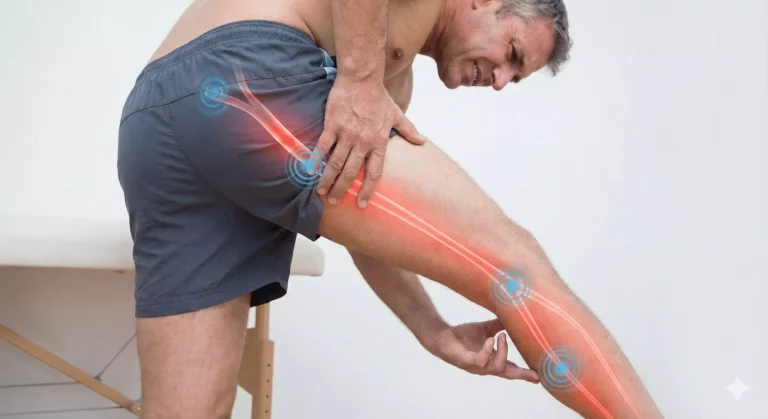
A pain clinic is a healthcare facility that diagnoses, treats, and manages chronic pain. These centers employ multidisciplinary teams of physicians and specialists who work together to address complex and often chronic pain conditions. Instead of relying entirely on medications or invasive surgical procedures, many pain clinics integrate complementary therapies into their treatment models. This comprehensive structure is designed to support patient function, improve mobility, and manage symptoms through multiple treatment methods. Here’s information on alternative pain clinic services and complementary therapies:

Physical Therapy

Pain management specialists assess a patient’s condition and develop individualized care plans to address those specific needs. This comprehensive methodology often involves combining standard medical protocols with non-traditional supportive therapies. By addressing overall health alongside the neurological perception of pain, specialists aim to provide more robust support for their patients. Understanding the underlying mechanics of their discomfort allows individuals to make informed decisions about their daily routines and activity levels. A multidisciplinary strategy provides a broader range of tools for symptom management, enabling well-rounded treatment plans to reduce pain.

Physical therapy is a foundational component of many pain management programs at a pain clinic. Licensed physical therapists guide individuals through carefully targeted exercises to improve overall strength, flexibility, and joint range of motion. Structured exercises can help individuals maintain their physical capabilities, and physical therapy supports long-term functional rehabilitation. By focusing on correcting posture and improving biomechanics, physical therapy helps to reduce ongoing strain on muscles and ligaments. Consistent participation in therapy sessions allows patients to build endurance, which is necessary for completing tasks with fewer physical limitations.

Regenerative Therapies

In recent years, many pain clinics have begun offering regenerative therapies as part of their complementary treatment options. Regenerative therapies are used to support tissue function and manage chronic joint or muscle discomfort over time; two common options are platelet-rich plasma (PRP)  and stem cell therapy. PRP therapy involves drawing a small amount of a patient’s blood, processing it to concentrate the platelets, and injecting it into specific areas of concern. Stem cell therapy similarly introduces unspecialized cells into affected joints or structural tissues. These specific modalities support the body’s internal healing processes without requiring invasive surgery or long-term reliance on pharmaceuticals.

Massage and Other Alternative Therapies

Massaging soft tissues helps address localized muscle tension, support peripheral circulation, and promote physical relaxation. Physical therapists and licensed specialists often offer massage as an alternative therapy to complement structured physical rehabilitation routines. Comprehensive pain management requires a structured and multifaceted approach, and what works for one person may not work for another.

Beyond clinical massage, pain clinics frequently incorporate or recommend a variety of supportive techniques into their standard care models. A customized care plan might involve a combination of the following alternative therapy options:

  • Acupuncture
  • Diet Modifications
  • Lifestyle Changes
  • Mindfulness Training
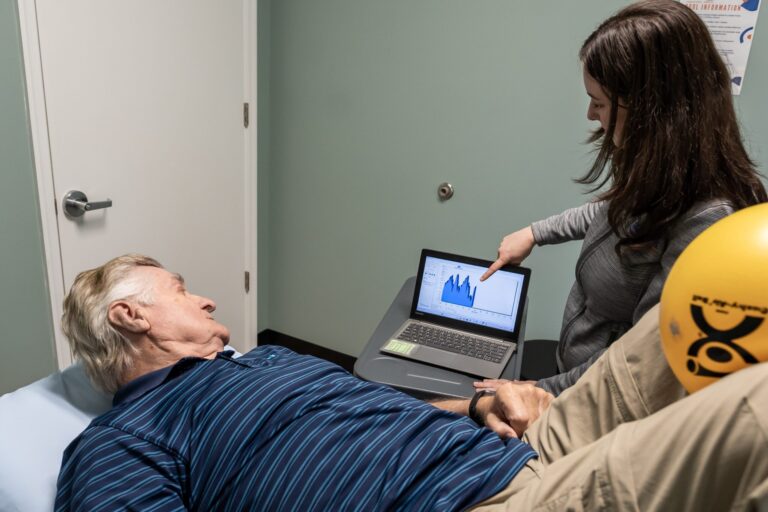
  • Biofeedback

Visit a Pain Clinic

Managing chronic pain often requires ongoing monitoring by qualified medical professionals, as many pain conditions need targeted treatment combinations. A dedicated pain facility provides streamlined access to these diverse therapies within a single, coordinated clinical setting. Exploring these complementary approaches allows individuals to build a comprehensive plan for their daily health and functional well-being. To learn about your standard and complementary treatment options, contact a pain clinic to schedule a consultation today.

Understanding the Impact of ADHD on Social Interactions

0

Attention-deficit/hyperactivity disorder (ADHD) is a neurodevelopmental condition that affects many adults and children. Patients with ADHD often experience ongoing patterns of inattention, hyperactivity, and impulsivity, and these symptoms can influence daily functioning. Individuals benefit from seeking a clinical diagnosis to better understand their behavior, so they can manage their condition effectively. Here is more information on this disorder and how its symptoms impact social interactions:

What Is ADHD?

ADHD is a disorder that involves persistent differences in brain development and brain activity. The condition affects the brain’s executive functions, so patients may struggle with organization, focus, and self-regulation. Health professionals categorize the disorder into three main presentations: predominantly inattentive, predominantly hyperactive-impulsive, and combined type. Accurate classification helps practitioners develop targeted management plans, and it guides patients toward appropriate resources.

What Are the Symptoms?

Patients with ADHD display a variety of cognitive and behavioral symptoms. Inattention symptoms include making careless mistakes, losing necessary items, and struggling to sustain focus on tasks. Hyperactivity and impulsivity manifest as excessive fidgeting, interrupting others, and difficulty waiting for a turn. Clinicians look for symptoms occurring across multiple settings, and they require that these behaviors interfere with daily functioning before confirming a diagnosis.

How Are Social Interactions Affected?

The symptoms of ADHD can create specific challenges during social interactions, and patients may find it difficult to navigate interpersonal relationships. Impulsivity can lead individuals to frequently interrupt conversations or to blurt out answers before others finish speaking. Inattention makes it hard to follow long discussions, so friends and colleagues potentially misinterpret this as a lack of interest. These miscommunications can strain relationships over time.

Hyperactivity can also complicate social environments, for some individuals struggle to remain seated during formal events or quiet gatherings. Others may perceive this constant movement as disruptive, leading to social exclusion. Patients often miss subtle nonverbal cues. Recognizing these specific behavioral patterns is a necessary step toward improving communication, and it helps patients build stronger social networks.

What Are the Treatment Options?

Medical professionals provide several evidence-based treatments to manage ADHD, and these interventions help improve a patient’s social functioning. Therapy is a primary intervention method, and psychotherapy helps individuals reframe negative thought patterns. Therapists may teach patients strategies to manage impulsivity, which helps them navigate conversations more effectively. This structured counseling environment provides a safe space to practice communication.

Medication serves as another standard treatment option, and physicians prescribe stimulants or non-stimulants to regulate neurotransmitter levels. These medications can improve focus and reduce hyperactivity, allowing patients to participate in social activities more easily. Doctors carefully monitor the dosage and adjust the treatment plan based on the patient’s specific needs. Combining medication with other interventions addresses various symptoms simultaneously.

Social skills training focuses on improving interpersonal dynamics, and programs teach patients to accurately read social cues. Participants may role-play different scenarios to practice active listening and appropriate conversational turn-taking. This training helps individuals understand the impact of their behavior on others, and it provides practical tools for building meaningful relationships. Consistent practice in these targeted programs may lead to better social outcomes, improving a patient’s overall quality of life.

Consult a Specialist Today

ADHD presents behavioral and cognitive challenges, and it influences how patients interact with the world around them. Understanding the biological basis and specific symptoms allows individuals to seek appropriate medical guidance. Medical providers offer therapies, medications, and training programs to help patients learn to manage their symptoms effectively. Contact a specialist today to schedule an evaluation.

Lifestyle Changes to Alleviate Back Pain Symptoms

0

Back pain is a prevalent condition that sopmetimes interfere with daily activities, productivity, and overall quality of life. While clinical interventions may be necessary in some cases, targeted lifestyle modifications often play a key role in managing and reducing discomfort. By addressing factors such as posture, physical activity, and daily habits, individuals can take proactive steps to alleviate back pain and prevent its recurrence.

Improve Posture and Ergonomic Habits

Maintaining proper alignment is key to spinal health. Slouching puts undue stress on your lower back, leading to soreness. You should check your posture often, whether sitting or standing. A straight, supported spine distributes weight evenly across your joints. Your workspace setup also impacts your back. Place your monitor at eye level to avoid tilting your head, and your chair should support your back’s natural curve.

Taking breaks from sitting is helpful for desk jobs. Stand up and stretch every hour to keep muscles loose. You should set a timer to remind yourself to move. Regular movement prevents stiffness, and it gives your spine a break from compression. These small adjustments can improve your posture and reduce back pain.

Stay Active With Low-Impact Exercise

Many people think rest is best for a backache, but too much inactivity can weaken the muscles that support your spine. Regular physical activity keeps your body strong and promotes healthy circulation. Choose low-impact movements that do not put stress on your joints. Walking is a great way to keep your body moving without jarring your spine, so add a brisk walk to your daily routine.

Stretching and core exercises are also significant for back support. A strong core acts like an internal corset, taking the load off your lower back. Perform stretches gently to avoid pulling any muscles. Yoga and Pilates are helpful additions to your routine. They focus on controlled movements and flexibility, which can improve your back health.

Maintain a Healthy Weight

Carrying extra weight puts stress on your skeletal system, and your spine bears the brunt of this load. This constant strain can contribute to lower back pain. Reaching a healthy weight reduces the pressure on your vertebrae. This change relieves tension and helps your joints function more smoothly. Diet is key to managing your weight and health. A balanced diet with whole foods provides your body with the nutrients it needs to heal.

Hydration is also necessary for your spinal discs. The discs between your vertebrae need water to stay plump and functional. You must drink plenty of water throughout the day. This simple habit helps maintain cushioning in your spine. Small dietary improvements will complement your physical activity.

Prioritize Quality Sleep

Restful sleep is necessary for your body’s recovery from daily stress. Unfortunately, spine pain often disrupts sleep, and poor sleep can worsen your backache. Breaking this cycle means improving your sleep environment and habits. You should make sure your sleeping arrangements support your spine, and note that your mattress and pillows are key to how your back rests throughout the night.

Your sleeping position also matters greatly. Side sleepers can place a pillow between their knees to align their hips, while back sleepers might slide a small pillow under their knees. This simple change maintains your lower back’s natural curve and prevents you from twisting your spine as you sleep. They help you wake up with less pain and more energy for the day.

Schedule Your Back Pain Consultation

Implementing these lifestyle adjustments can improve how your back feels every day, but shouldn’t replace professional support for lasting relief. If your back pain continues despite your productive efforts, seek expert guidance. Schedule a consultation with an orthopedic spine surgeon near you for a comprehensive diagnosis and tailored treatment plan. You can also explore minimally invasive options to help you get back to your favorite activities.

The Role of Mohs Surgery in Skin Cancer Treatment

0

Skin cancer screening identifies problematic cells early. Mohs surgery treats these lesions, and it attempts to preserve healthy skin. When you require treatment, your doctor targets the exact tumor. This specialized treatment requires specific steps.

Preparation of the Surgical Site

The medical team prepares you for Mohs surgery. Your surgeon numbs the skin using an injected anesthetic. This helps minimize discomfort, and it gets the area ready for treatment. Once numb, the surgeon removes the visible tumor and a thin layer of surrounding tissue for examination. Preparation at this stage guides the next steps. Your doctor marks the removed tissue. This mapping lets your team pinpoint where any cells might remain when the tissue is examined later. Creating this detailed map supports the process for any additional layers that may be needed. Through these careful steps, your surgeon sets the stage for the next phase. The doctor works to preserve your tissue. Your team will try to keep the normal skin, and they will limit the extraction area. They mark the tissue and create a map of the site for orientation.

Evaluation of the Removed Tissue

The sample goes to the office laboratory, and the staff immediately freezes the tissue. Freezing the tissue helps preserve its structure, and it prevents changes that affect analysis. Next, they cut thin layers, allowing for a detailed view of the tissue margins. After slicing the sample, they stain the tissue. Staining highlights structures and abnormal cells, making them visible under the microscope. Preparation is complete after slicing and staining; the surgeon then examines the full margins. This step helps the doctor identify cancer cells, and they decide if more steps are needed. The wait time varies from case to case, but the team works efficiently. While you wait, your surgeon examines the bottom edges and checks the outer tissue layer. A microscope shows cellular structures. The surgeon looks for abnormalities and carefully reviews the entire sample. If the margins are clear, the analysis stops, and the wound is closed.

Eradication of the Remaining Disease

Sometimes the sample contains cancer cells. Your surgeon identifies the precise areas using the mapped markings as a guide. Because the map shows exact locations, the surgeon returns to the site to remove another thin layer. This process targets only tissue with abnormal cells, and it spares as much healthy skin as possible. Your surgeon uses the tissue map to keep each removal limited to the smallest necessary boundary. After each removal, the new sample is prepared and analyzed under the microscope. Each patient’s process may last different times.

With each step, the affected tissue is mapped and marked. Your care team maintains a clear record of every stage. This series of carefully planned steps is repeated any time cancer cells are identified, and sometimes several rounds are required. The extraction targets only the affected area. The doctor takes additional tissue, and they send it to the lab. Whenever abnormal cells remain, the process continues, and the lab performs another microscopic examination. The doctor repeats these exact steps. The removal of additional layers continues, and the testing cycle repeats.

Schedule Mohs Surgery Today

Monitor your skin, and report any changes. Regular checkups protect your overall health. If a spot looks suspicious, a doctor examines the area. Mohs surgery manages skin lesions. Learn about the process and prepare for your appointment. If you notice any skin changes, contact a medical professional to schedule your screening.

The Role of a Cardiologist in Preventing Heart Attacks

0

Heart health is a significant component of overall well-being, and proactive care plays a key role in reducing the risk of serious conditions such as heart attacks. A cardiologist specializes in diagnosing, managing, and preventing cardiovascular diseases through comprehensive assessments and personalized treatment plans. By identifying risk factors early and guiding patients toward effective lifestyle and medical interventions, a cardiologist helps safeguard long-term heart health.

Identifying Risk Factors Early

Your cardiac consultant reviews your family history for inherited risks. Genetics is a key part of your health profile, so doctors use this information to customize your care. They check your family’s health background for recurring patterns. This early identification helps you make timely lifestyle adjustments.

Catching small changes early makes a massive difference in your long-term health. A cardiologist uses diagnostic tools to measure how your body responds to exertion. They might recommend a stress test or an ultrasound to gather more data. These tests give you a deeper understanding of your body. They also provide your doctor with the information needed to support you effectively.

Creating Personalized Prevention Plans

Your doctor will create a personalized wellness plan that fits your life. They will factor in your work, sleep, and diet to make a realistic strategy. As you follow the plan, your doctor will monitor your progress closely. Dietary choices are a key part of this strategy, and your doctor may suggest adding more vegetables and will explain how foods impact your arteries.

Exercise is also central to your prevention plan, and your cardiologist helps you find the right activities. They might suggest walking, swimming, or cycling to keep your system strong. This routine is not static; your doctor will adjust your exercise plan as your stamina improves to make sure your physical activity always matches your current fitness level.

Managing Chronic Heart Conditions Effectively

Living with a chronic condition requires ongoing attention and steady professional support. A cardiology specialist monitors your status and ensures your numbers remain stable. They adjust your routines based on how your body responds to daily stressors. You attend regular appointments, and the doctor fine-tunes your approach accordingly.

Technology also helps track your progress between physical appointments. Many clinics use remote monitoring devices to gather continuous data. These tools send information directly to your heart doctor for review. This teamwork empowers you to stay focused, and it keeps your wellness plan effective.

Educating Patients on Heart-Healthy Living

Your cardiovascular doctor empowers you with knowledge, helping you make confident health decisions. They explain complex topics and provide actionable steps you can follow. For example, you will learn how stress affects your body and which warning signs require attention. This partnership allows you to ask questions and receive straightforward answers, so you stay informed.

Building a healthy lifestyle involves consistent education and a willingness to adapt. Your doctor teaches you how to monitor your resting pulse and understand the impact of sodium. You also discover techniques to lower stress during your workday. For instance, your doctor might show you how to read nutrition labels correctly to help you avoid hidden and harmful ingredients.

Book a Cardiologist Appointment Today

Taking the first step toward better physical wellness starts with a simple conversation. A cardiologist provides the fundamental guidance you need to understand your current status. They evaluate your history, build a plan, and monitor your progress over time. Do not wait for a physical problem to aggravate. Proactive care gives you the greatest advantage in maintaining your heart health. Book an appointment with a cardiologist near you today for an initial consultation. They will conduct a comprehensive assessment and develop a personalized treatment plan to support your well-being.