
Home Blog Page 56

What Is the Importance of Wellness in Life?

0

Wellness is more than just being free from illness—it’s about creating balance in your physical, mental, emotional, and social well-being. Living a life focused on wellness helps you feel healthier, more energetic, and more fulfilled. It allows you to handle stress better, build stronger relationships, and enjoy a higher quality of life.

1. Improves Physical Health

When you focus on wellness, you naturally make healthier choices. Regular exercise, balanced nutrition, and proper sleep strengthen the body, improve immunity, and reduce the risk of chronic diseases.

Key benefit: A stronger, healthier body that supports you in daily life.

2. Boosts Mental and Emotional Well-Being

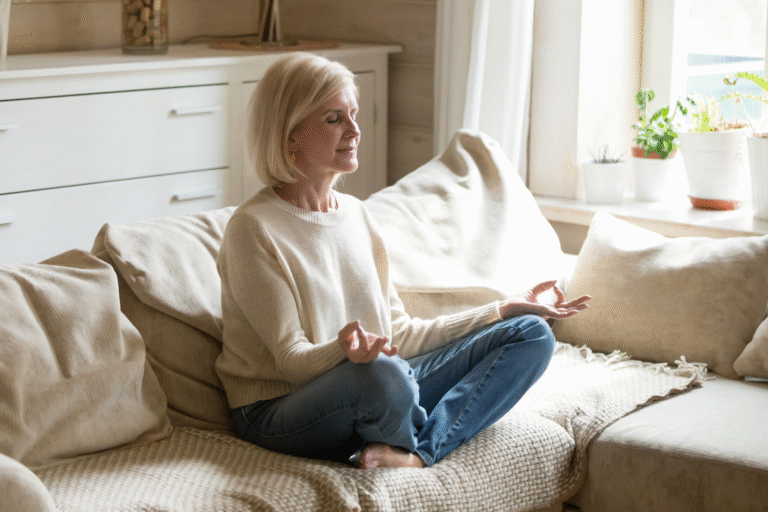
Wellness practices like mindfulness, meditation, and stress management help maintain emotional balance. A healthy mind improves focus, creativity, and decision-making, while reducing anxiety and depression.

Key benefit: Greater emotional stability and peace of mind.

3. Increases Productivity and Energy

When you take care of your wellness, you feel more energized and motivated. This leads to better performance at work, school, or daily tasks. A well-balanced lifestyle prevents burnout and helps you stay productive.

Key benefit: More energy and efficiency throughout the day.

4. Strengthens Relationships

Wellness also includes social well-being. When you feel healthy and balanced, you can communicate better, build stronger bonds, and nurture positive relationships with family, friends, and colleagues.

Key benefit: Healthier, more meaningful connections with others.

5. Encourages Personal Growth

Wellness isn’t just physical—it also means growing as a person. By setting goals, learning new skills, and taking care of yourself, you build confidence and resilience to face life’s challenges.

Key benefit: A sense of purpose, growth, and self-confidence.

6. Enhances Overall Quality of Life

At its core, wellness allows you to live life to the fullest. It helps you enjoy small moments, stay active, and feel content in both body and mind.

Key benefit: A happier, healthier, and more balanced life.

Final Thoughts

The importance of wellness in life cannot be overstated. It touches every aspect of our existence—physical health, mental clarity, emotional strength, social connection, and personal growth. By making wellness a priority, you not only improve your present but also invest in a healthier, happier future.

What Are the Key Habits of Healthy Living?

0

Living a healthy lifestyle doesn’t have to be complicated. In fact, it’s the small, consistent habits that make the biggest difference over time. By adopting certain practices in your daily routine, you can boost your energy, strengthen your body, and improve your overall well-being.

Below are the key habits of healthy living that everyone should follow:

1. Eating a Balanced Diet

Nutrition plays a central role in maintaining good health. A well-balanced diet provides the body with the vitamins, minerals, and energy it needs to function.

✅ Include fruits, vegetables, whole grains, lean proteins, and healthy fats.
✅ Limit processed foods, sugary snacks, and fried items.
✅ Practice portion control to avoid overeating.

2. Staying Physically Active

Exercise strengthens your body, improves mood, and helps prevent chronic diseases.

✅ Aim for at least 30 minutes of moderate exercise most days of the week.
✅ Mix cardio (walking, cycling) with strength training (weights, resistance bands).
✅ Stay active throughout the day—take the stairs, stretch, or walk during breaks.

3. Getting Quality Sleep

Sleep is vital for physical and mental recovery. Poor sleep habits can lead to stress, low energy, and health issues.

✅ Adults should aim for 7–9 hours of sleep each night.
✅ Maintain a consistent bedtime routine.
✅ Reduce screen time before bed to improve sleep quality.

4. Managing Stress Effectively

Stress is part of life, but learning how to manage it is key to healthy living.

✅ Practice mindfulness, meditation, or yoga.
✅ Take short breaks during work to relax your mind.
✅ Engage in hobbies and activities that bring you joy.

5. Staying Hydrated

Water is essential for digestion, circulation, and overall body function.

✅ Drink at least 7–8 glasses of water daily (more if you’re active).
✅ Limit sugary sodas and excessive caffeine.
✅ Carry a reusable water bottle to stay hydrated on the go.

6. Avoiding Harmful Habits

Unhealthy habits can undo the benefits of good nutrition and exercise.

✅ Avoid smoking, excessive alcohol, and drug use.
✅ Limit junk food and late-night eating.
✅ Practice safe habits like using sunscreen and wearing seatbelts.

7. Regular Health Checkups

Preventive care is just as important as healthy habits.

✅ Schedule annual medical and dental checkups.
✅ Stay updated on vaccinations.
✅ Monitor your weight, blood pressure, and cholesterol.

Final Thoughts

The key habits of healthy living are not about strict rules—they’re about balance, consistency, and making smarter daily choices. By eating well, exercising, sleeping enough, staying hydrated, managing stress, and avoiding harmful habits, you can enjoy a healthier, happier, and longer life.

Start small, stay consistent, and remember: your health is your greatest investment.

Healthy Living Tips for Families

0

A healthy lifestyle is easier to maintain when the entire family works together. From eating nutritious meals to staying active, small daily habits can create a big impact on everyone’s overall health and happiness. If you’re looking for ways to build a healthier routine for your loved ones, here are some practical and easy-to-follow tips.

1. Eat Balanced Meals Together

Family meals are not just about food—they are about connection too. Preparing and eating meals together encourages better eating habits and helps children learn about nutrition.

✅ Include fruits, vegetables, whole grains, lean proteins, and healthy fats.
✅ Limit sugary drinks and processed snacks.
✅ Involve kids in cooking to make them excited about healthy foods.

2. Stay Active as a Family

Exercise doesn’t have to be boring or complicated. Staying active together is a great way to bond while improving fitness.

✅ Go for family walks or bike rides.
✅ Play outdoor games like football, cricket, or frisbee.
✅ Try indoor activities like dance sessions or yoga.

Tip: Aim for at least 30 minutes of physical activity daily.

3. Prioritize Good Sleep

A well-rested body is essential for good health. Poor sleep can affect mood, focus, and energy levels.

✅ Set a consistent bedtime routine.
✅ Limit screen time before bed.
✅ Create a calm, comfortable sleeping environment.

4. Limit Screen Time

Too much TV, video games, or phone use can reduce physical activity and affect mental health.

✅ Set daily limits for screen use.
✅ Encourage offline activities like reading, board games, or art.
✅ Designate “tech-free” family times, such as during meals.

5. Practice Stress Management

Life can be busy, but stress management is key to maintaining overall well-being.

✅ Encourage open communication about feelings.
✅ Practice mindfulness or relaxation exercises together.
✅ Spend quality time doing fun family activities.

6. Encourage Hydration

Drinking enough water is a simple but powerful health habit.

✅ Replace soda or juice with water.
✅ Carry reusable water bottles for each family member.
✅ Add lemon, cucumber, or fruits to water for natural flavor.

7. Schedule Regular Health Checkups

Preventive care is important to catch health issues early.

✅ Visit the doctor and dentist for routine checkups.
✅ Stay updated on vaccinations.
✅ Teach kids the importance of hygiene and self-care.

Final Thoughts

Healthy living is a family journey, not just an individual choice. By eating balanced meals, staying active, prioritizing sleep, and supporting each other, families can build strong habits that last a lifetime. Remember, small changes every day can make a big difference in your family’s health and happiness.

DIY Paper Crafts for Beginners: Simple & Creative Ideas to Get Started

0

Paper is one of the most versatile and inexpensive materials you can use for crafting. From creating colorful decorations to personalized gifts, DIY paper crafts are perfect for beginners who want to explore their creativity without spending much. Whether you’re a student, a hobbyist, or simply someone looking for a relaxing activity, paper crafting is a fun way to express yourself.

Why Start with Paper Crafts?

  • Low Cost: All you need is paper, scissors, glue, and a bit of imagination.
  • Beginner-Friendly: Simple projects don’t require special tools or advanced skills.
  • Creative Expression: You can make unique designs that reflect your style.
  • Eco-Friendly: Reuse old magazines, newspapers, and scrap paper to reduce waste.

Easy Paper Craft Ideas for Beginners

1. Paper Flowers

Paper flowers are one of the easiest and most beautiful crafts to try. Use colorful paper, cut out petal shapes, and glue them together to create roses, lilies, or daisies. They make lovely home decorations and gifts.

Tip: Use tissue paper or origami paper for a delicate, realistic look.

2. Origami Creations

Origami, the Japanese art of folding paper, is perfect for beginners. Start with simple designs like paper boats, cranes, or hearts. Origami not only sharpens your focus but also teaches patience and precision.

Tip: Begin with step-by-step tutorials or origami starter kits.

3. Greeting Cards

Handmade greeting cards are a thoughtful way to show love and appreciation. Fold a piece of cardstock and decorate it with cutouts, drawings, or stickers. Write a heartfelt message inside to make it extra special.

Tip: Add layers of colorful paper for a creative 3D effect.

4. Paper Bookmarks

Bookmarks are easy, useful, and fun to make. Cut paper into fun shapes like hearts, animals, or geometric patterns. Decorate them with markers, washi tape, or glitter.

Tip: Laminate your bookmark to make it last longer.

5. Paper Garlands

Paper garlands are perfect for parties, festivals, or even room décor. Cut shapes like stars, circles, or flowers and string them together. They instantly add color and charm to any space.

Tip: Mix patterned and plain paper for a stylish look.

Essential Supplies for Paper Crafts

  • Colored and patterned paper
  • Scissors and craft knives
  • Glue stick or liquid glue
  • Ruler and pencil
  • Decorative items (stickers, glitter, washi tape, buttons)

Final Thoughts

DIY paper crafts are a simple yet rewarding hobby for beginners. You don’t need fancy supplies or professional skills—just a bit of creativity and patience. Start small, practice regularly, and soon you’ll be able to create stunning projects. Not only do paper crafts help reduce stress, but they also let you make meaningful handmade gifts and decorations.

So, grab your scissors and paper today—your crafting journey awaits!

What Are Some Easy Craft Ideas at Home?

0

Crafting at home is a fun and creative way to relax, spend quality time, and even decorate your living space. The best part? You don’t need expensive supplies or advanced skills—just a few basic materials, some imagination, and a little free time. Whether you’re looking for activities to do alone, with kids, or with friends, there are plenty of easy craft ideas you can try right at home.

1. Paper Crafts

Paper is one of the most affordable and versatile crafting materials. From simple cut-and-paste projects to origami, there’s something for everyone.

  • Paper Flowers – Perfect for home decoration.
  • Origami Animals – Fun for kids and beginners.
  • Homemade Greeting Cards – Add a personal touch for birthdays or celebrations.

Tip: Use colorful, recycled, or patterned paper for a unique look.

2. DIY Home Décor

You can easily brighten up your home with simple DIY décor projects.

  • Mason Jar Lanterns – Add fairy lights inside jars for cozy lighting.
  • Painted Flower Pots – Decorate old pots with paint or fabric.
  • Wall Collage – Use photos, magazine cutouts, or printed quotes to create an inspiring wall.

Tip: Upcycle old jars, bottles, or cardboard instead of throwing them away.

3. Fabric & Thread Crafts

Even if you don’t know how to sew, there are many fabric crafts you can try.

  • No-Sew Pillow Covers – Use fabric glue instead of stitching.
  • Friendship Bracelets – Simple and fun to make with colorful threads.
  • DIY Tote Bag – Old t-shirts can easily be turned into reusable bags.

Tip: These projects are perfect for gifting and eco-friendly living.

4. Kids’ Crafts

If you’re looking for fun activities for children, these crafts are easy and entertaining.

  • Handprint Art – Paint kids’ hands and press them on paper for creative designs.
  • Popsicle Stick Crafts – Make mini houses, frames, or animals.
  • DIY Slime or Playdough – Great for sensory play.

Tip: Always use non-toxic, child-safe materials.

5. Recycled Crafts

Turn waste into something beautiful with eco-friendly crafts.

  • Plastic Bottle Planters – Cut and paint bottles to grow small plants.
  • Cardboard Organizers – Use cereal boxes or cartons to make storage trays.
  • Tin Can Pencil Holders – Decorate old cans with paint, fabric, or paper.

Tip: Recycling crafts not only save money but also help reduce waste.

Final Thoughts

Easy crafts at home don’t require professional skills or expensive tools. From paper crafts and home décor to recycled and kid-friendly projects, you can create beautiful and useful items with just a few materials. Crafting not only sparks creativity but also brings joy, relaxation, and a sense of accomplishment.

So next time you have some free time, grab what you already have at home and start crafting—you’ll be surprised at what you can create!

The Role of Modern Physical Therapy in Enhancing Wellness

0

In today’s fast-paced lifestyle, wellness has become more than just a choice—it is a necessity. Many people deal with issues such as back pain, joint stiffness, pelvic discomfort, or recovery after pregnancy. Clinics like Rebecca’s Physical Therapy in Mount Pleasant, SC, provide advanced solutions such as shockwave therapy and pelvic health treatments, offering patients a natural and long-term approach to healing. Instead of depending only on medications, modern physical therapy focuses on restoring mobility, reducing chronic pain, and improving overall quality of life.

Why Specialized Physical Therapy Matters

General exercise or stretching may help to some extent, but when dealing with targeted issues like pelvic pain, incontinence, or postpartum recovery, specialized physical therapy is essential. Each body is unique, and therapy must be tailored to individual needs.

For example, women experiencing pelvic floor dysfunction after childbirth may not benefit from generic fitness training. They require a therapist who understands pregnancy-related changes and can design a recovery plan that supports the body’s healing process. Similarly, athletes struggling with repetitive injuries often need therapy that restores balance and strength in specific muscle groups, rather than just painkillers or rest.

This personalized approach ensures that patients not only recover but also prevent future complications.

Innovative Treatments: Shockwave Therapy

Among the latest advancements in physical therapy is shockwave therapy. This non-invasive treatment uses acoustic waves to stimulate healing, improve blood flow, and reduce chronic pain in muscles and joints. It is particularly effective for conditions that don’t respond well to traditional therapy, such as plantar fasciitis, tendonitis, or pelvic pain.

By combining advanced techniques with compassionate care, modern clinics empower patients to achieve long-term wellness without unnecessary medications or surgeries.

Benefits of Modern Physical Therapy

Physical therapy is more than pain relief; it transforms daily living. Some of the most important benefits include:

  • Relieves Chronic Pain Naturally – Instead of depending on painkillers, physical therapy reduces discomfort by treating the underlying cause.
  • Improves Flexibility and Balance – Patients regain mobility, making everyday activities easier and reducing the risk of falls.
  • Supports Pregnancy and Postpartum Recovery – Specialized therapy helps women regain strength, manage incontinence, and reduce discomfort after childbirth.
  • Prevents Long-Term Injuries – By correcting posture, strengthening weak muscles, and improving balance, therapy prevents future complications.
  • Boosts Confidence and Lifestyle – When the body feels strong and pain-free, individuals enjoy greater independence and emotional well-being.

Physical Therapy for Women’s Health

Women often face unique physical challenges, especially during and after pregnancy. Conditions like diastasis recti, pelvic floor weakness, and lower back pain are common but treatable with the right care.

Pelvic health physical therapy helps women regain control of their bodies, improving not just physical health but also emotional well-being. For example, addressing incontinence through targeted pelvic floor exercises can restore confidence and reduce daily stress. With proper guidance from professionals, women can return to an active lifestyle without fear or discomfort.

A Lifestyle Approach to Healing

Unlike quick fixes, physical therapy promotes lasting results by empowering individuals to take charge of their health. A therapist educates patients on posture correction, ergonomics, and exercises they can continue at home. This knowledge ensures that improvements last beyond the therapy sessions.

Moreover, modern physical therapy integrates mental health awareness. Pain and discomfort often affect emotional well-being, and healing the body plays a significant role in restoring confidence and positivity.

Final Thoughts

Modern physical therapy goes far beyond simple rehabilitation—it is a pathway to complete wellness. Whether it’s recovering from an injury, managing chronic pain, or addressing women’s health concerns, therapy provides natural and long-term solutions. Clinics that specialize in advanced methods like shockwave therapy are making a significant difference in people’s lives.

For those seeking specialized care, Rebecca’s Physical Therapy in Mount Pleasant, SC, offers expert solutions for pelvic health, incontinence, and pregnancy-related therapy. With a perfect blend of innovation, evidence-based methods, and compassionate treatment, they help patients achieve a healthier, pain-free, and more confident lifestyle.