
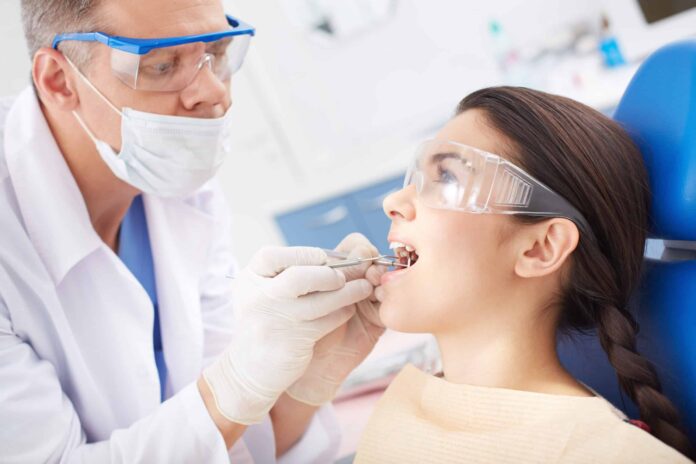
Restorative dentistry plays a key role in preserving and improving oral health by addressing damaged, decayed, or missing teeth. Through a range of procedures designed to restore function and structure, restorative dentistry not only enhances the appearance of a smile but also supports long-term dental stability. By preventing further complications and promoting proper bite alignment, these treatments contribute to overall oral well-being.
Restoring Functionality for Everyday Comfort
A broken or missing tooth can disrupt your normal chewing. Tooth restoration helps you bite naturally again without discomfort. Dentists use crowns or bridges to replace missing teeth, so you can eat your meals smoothly. Restoring your bite is necessary for digestion and overall nutrition.
Restorative dentistry fills these gaps and gives your tongue proper support. This helps you form words accurately and communicate with confidence. Daily actions like smiling should feel effortless, not strenuous. Unaddressed dental damage can make simple things difficult, but rebuilding your mouth’s structure removes these hurdles and restores oral health.
Preventing Further Oral Complications
When you leave a damaged tooth untreated, it can lead to further decay. Bacteria gather in cracks, and they break down your enamel. Restorative care fills these gaps and stops the decay from spreading. This protects nearby teeth from damage and can save you from more complex procedures later.
Leaving a tooth missing also causes problems. Adjacent teeth can shift out of place, misaligning your bite and creating new spots where plaque builds up. Implants or dentures hold the other teeth firmly, and they keep your dental arch stable.
Protecting your gums is just as key as fixing your teeth. Exposed roots or deep cavities can trap food, and this irritates your gum tissue. Dental restorations seal these sensitive areas, allowing your gums to heal and anchor your teeth securely.
Enhancing Long-Term Oral Stability
Reconstructive dentistry uses durable materials such as porcelain and titanium to create a stable oral environment. These materials mimic the strength of natural enamel, providing reliable performance and a long-lasting solution. By restoring your mouth’s original balance, you achieve a balanced bite. This distributes pressure evenly across your jaw and prevents uneven wear from favoring one side.
Consistent stability means fewer dental emergencies and simpler routine checkups. To maintain your restorative work, it’s necessary to follow good oral hygiene. Brush twice a day with a soft-bristled toothbrush, and floss daily to remove hidden debris. If you grind your teeth, wearing a night guard can protect your restorations.
Supporting Overall Health and Well-Being
Your mouth is the gateway to the rest of your body. Oral rehabilitation fixes decay before it affects your physical health. When you manage cavities, you reduce the bacteria your immune system fights. This conserves energy, and it lowers your risk of systemic inflammation.
Proper digestion also begins with chewing. Damaged teeth make chewing difficult, which strains your stomach and intestines. Fixing your bite helps you break down food for better absorption and allows your digestive tract to function more smoothly.
Your mental well-being is also tied to your smile. Chronic mouth pain drains your focus and dampens your mood. Addressing these problems relieves physical tension and boosts your self-esteem. You can engage more in social settings and experience a better quality of life.
Schedule Your Restorative Dentistry Consultation
Restorative dentistry offers numerous benefits that extend far beyond a simple aesthetic upgrade. Repairing damaged teeth restores your ability to eat and speak with total comfort. Replacing missing teeth prevents structural shifting and preserves the density of your jawbone over time. These treatments provide a comprehensive approach to maintaining your long-term oral stability.
If you experience any dental discomfort and home care is not effective, it is time to seek professional support. Book a consultation with a restorative dentist for a comprehensive assessment and a personalized treatment plan tailored to you. They will utilize advanced techniques to deliver effective results.

