
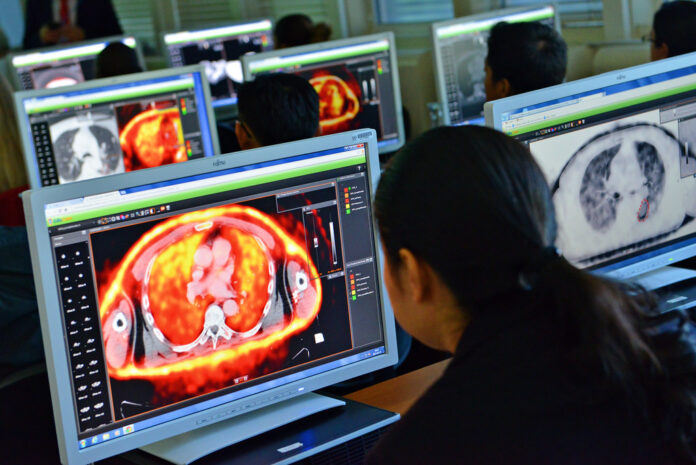
Radiation therapy is a common medical procedure. It uses high-powered energy to destroy cancer cells. This treatment shrinks existing tumors, and it prevents further growth. Because tumors grow rapidly, they carefully plan your specific dosage.
Techniques for External Radiation
Doctors use external machines to direct precise radiation at tumor sites. This approach directs beams at the tumor, and it does not require surgical cuts. Stereotactic Radiosurgery (SRS) is a non-surgical technique used to treat small brain tumors or lesions, allowing precise targeting within the brain. Stereotactic Body Radiation Therapy (SBRT), a method for treating tumors in the lungs, liver, and spine, also uses focused radiation.
Both SRS and SBRT use computer mapping to make a 3D image of your tumor’s shape and position before the procedure. These methods use concentrated beams to limit therapy exposure to healthy tissue. Your medical team calibrates the exact angles and doses of radiation, using advanced imaging to plan each session. For every treatment, they take care to target only the intended area. They discuss the procedure beforehand, and you can make a plan.
This planning helps to direct energy precisely, and it reduces unnecessary exposure. Although the individual beams are weaker, their combined delivery targets tumors while protecting nearby organs. Some centers use molds or masks to help you stay still, improving treatment accuracy. Ask your provider about innovative tools.
Methods for Internal Interventions
Internal radiation places radioactive sources directly inside your body, delivering medicine to the tumor site. This type of treatment is called brachytherapy, and it is the placement of small seeds, ribbons, or wires carrying radioactive material inside or near the tumor. Brachytherapy allows focused therapy with limited exposure to nearby organs. It is used for cancers of the prostate, cervix, or breast. The seeds stay in place depending on your treatment plan. If the seeds are permanent, their radiation gradually weakens over time, but the seeds themselves remain in place. Radiopharmaceuticals are another internal approach. These are radioactive drugs that circulate through your bloodstream, and they accumulate in specific tissues. You can take these drugs as a pill or receive them through an injection.
Reactions to Radiation Therapy
Radiation treatments often cause temporary physical changes that vary. Fatigue is a possible side effect. Some people have nausea or vomiting, especially when the abdomen is in the field; medications may help with these symptoms. Skin irritation can occur, and it is similar to a sunburn. If you are receiving radiation to your head or neck, you may have a dry or itchy scalp. Sometimes hair loss happens in the treated area.
Some people have mouth sores, reduced appetite, or discomfort eating. This can happen after radiation to the head, neck, or chest; a burning sensation in the throat or chest sometimes occurs. Treatment is influenced by location. Therapy near the bladder or pelvis can cause more frequent urination, mild discomfort, or a burning sensation during urination. Some individuals have changes in bowel patterns, including diarrhea, if treatment involves the abdomen or pelvis. These side effects are temporary.
Schedule Radiation Therapy Today
Radiation therapy requires careful planning and medical consultation. Your oncologist reviews your case, and they will recommend the best treatment path. Write down your questions today, and you can discuss them at your next visit. Because every tumor is unique, preparation is recommended. Contact your care team to schedule a consultation. If you feel overwhelmed, bring a supportive friend who can help you listen. Your medical team wants to help you succeed.

