
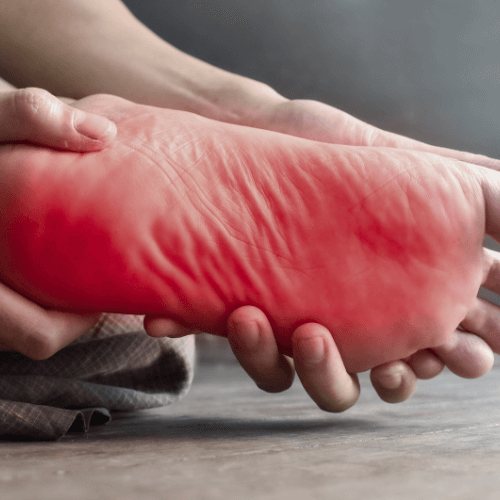
Peripheral neuropathy affects the intricate network of nerves located outside the brain and spinal cord. This condition frequently results in physical discomfort, persistent numbness, or muscular weakness, particularly in the extremities. It develops when the peripheral nervous system sustains structural damage or experiences functional disruption due to underlying health conditions or physical injuries.
What Is Peripheral Neuropathy?
The peripheral nervous system acts as a vast communication network, transmitting signals between the central nervous system and the rest of the body. Peripheral neuropathy occurs when these nerve fibers malfunction or sustain damage. Neuropathic pain can arise without an immediate physical triggering event. The body may erroneously transmit pain signals to the brain even when no external harm is occurring at that specific moment.
Various systemic and localized factors contribute to this nerve damage. Diabetes remains one of the most frequent underlying causes, accounting for a large number of documented cases. High blood sugar levels over prolonged periods damage the delicate blood vessels that supply the nerves. Other potential origins include traumatic physical injuries, localized nerve compression such as a herniated disc, and infections.
What Are the Symptoms?
The physical indicators of nerve damage vary, depending on which specific nerves are affected and the overall extent of the damage. Patients can experience distinct changes in their sensory perception. These sensory alterations typically begin in the hands and feet before they gradually spread up the arms or the legs. A primary symptom involves a gradual onset of localized numbness. Burning sensations, along with sharp, jabbing pains, are also frequently reported by those dealing with nerve damage.
Beyond these sensory changes, motor nerve damage leads to overall muscle weakness or a noticeable lack of physical coordination. People might experience distinct difficulty performing routine mechanical tasks, such as fastening clothing buttons or maintaining balance while walking. These symptoms can present as a constant physical discomfort or appear in spontaneous, sporadic episodes throughout the day.
How Is It Treated?
Medical professionals determine the most appropriate intervention after reviewing the patient’s medical history, performing a physical examination, and conducting focused neurological assessments. Diagnostic tools, such as blood tests, nerve function evaluations, and advanced imaging scans, help pinpoint the exact location and severity of the nerve dysfunction. Once diagnosed, physicians offer a diverse range of targeted interventions.
Modifying daily habits plays a distinct role in managing symptoms. Healthcare providers frequently advise patients to maintain a balanced diet, engage in regular physical activity, and avoid smoking. For diabetic individuals, carefully managing and stabilizing blood sugar levels remains a primary medical objective. Physical therapy assists patients in building muscle strength and improving their baseline physical balance. Specialized stretching routines and guided exercises help manage the physical limitations caused by specific motor nerve damage.
Physicians utilize several specific procedures to target the affected nerves. Epidural blocks involve administering medication directly into the targeted spinal region to intercept pain signals from a particular part of the body. Radiofrequency ablation uses targeted thermal energy to quiet painful, hyperactive nerves. For ongoing symptom management, doctors might implant a spinal cord stimulator. This medical device delivers mild electrical impulses directly to the spinal cord and effectively disrupts the abnormal nerve signals before they reach the brain.
Seek Professional Pain Management Services
Addressing nerve damage requires a thorough medical evaluation by a qualified specialist. Pain management specialists possess the specialized medical knowledge required to interpret complex neurological symptoms, providing structured, individualized care. Partnering with a dedicated medical clinic allows patients to access comprehensive rehabilitative support. Engaging with a medical professional gives you access to a wider variety of specialized therapies that are designed specifically to restore physical function.

