
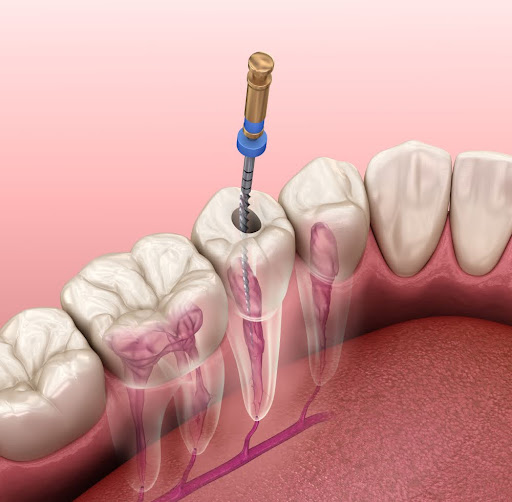
A root canal is a dental procedure used to treat infection or damage within a tooth while preserving the tooth’s natural structure. Understanding the recovery process can help patients know what to expect after treatment and how to manage temporary discomfort. Here is more information on the recovery process after a root canal:
Immediate Post-Procedure Expectations
The immediate aftermath of root canal treatment requires some basic care and attention. When you leave the endodontist’s office, you may observe the following physical changes:
- Numbness: Local anesthesia persists for a few hours, temporarily limiting sensation in your lips and gums.
- Mild swelling: The tissues surrounding the treated tooth respond to the procedure, causing slight and localized inflammation.
- Tenderness: The jaw joint aches slightly from remaining open during the treatment session.
These immediate physical reactions indicate a normal biological response to the dental work. The effects wear off gradually, and your normal facial sensation returns. As your body processes the local anesthesia, you should prepare for the next stage of healing.
Manageable Discomfort During Recovery
Proper pain management is a key component of a smooth recovery. Over-the-counter anti-inflammatory medications reduce tissue swelling, and they effectively block mild pain signals. If your endodontist prescribes specific pain relievers, you should take them as directed. The consistent use of medication during the first few days prevents inflammation from escalating.
Dietary modifications play a fundamental role in protecting your treated tooth. You must chew on the opposite side of your mouth, so you do not dislodge the temporary filling. While the tooth stabilizes, eating soft foods prevents unnecessary pressure on the sensitive roots.
Oral hygiene remains fundamental throughout the healing phase. You can brush your teeth normally, but you must floss very gently around the affected area. When you keep the gums clean, you actively prevent secondary infections from developing.
Normal Healing Progress
A predictable timeline usually follows most modern endodontic procedures. The tenderness often peaks within a few days, and it declines gradually thereafter. Unless you experience any unusual clinical complications, your mouth should feel completely normal within one week. The underlying bone tissue begins its microscopic repair during this early phase.
Patients sometimes confuse the healing of the surrounding tissue with the tooth itself. The bone at the tip of the root heals slowly over several months, but you will not feel this internal process. As long as you follow the post-operative instructions, your body repairs the microscopic structures efficiently. Routine follow-up x-rays will confirm this complete structural regeneration.
A final restoration marks the completion of the therapy timeline. The endodontist places a temporary seal, but your general dentist will install a permanent crown later. You must schedule this restorative appointment promptly to protect the disinfected root canals.
Significant Warning Signs
Certain symptoms require immediate clinical attention during your recovery period. You should watch for the following clinical indicators:
- Severe pain: Discomfort lasting more than a few days may indicate a problem with the healing process.
- Visible swelling: Pronounced inflammation inside your mouth or outside your face requires immediate evaluation.
- Bite unevenness: A temporary filling that feels too high causes excess pressure on the tooth when chewing.
Prompt clinical intervention resolves these rare post-operative issues. You should contact the dental office immediately, and the staff will arrange a prompt follow-up visit.
Schedule Your Root Canal Appointment
A successful recovery relies heavily on proper technique and strict aftercare protocols. The team should prioritize patient safety through meticulous care and targeted disinfection. Prompt treatment prevents further infection from spreading into your jawbone. For a professional dental intervention, contact a qualified endodontist near you to schedule your root canal appointment today.

