
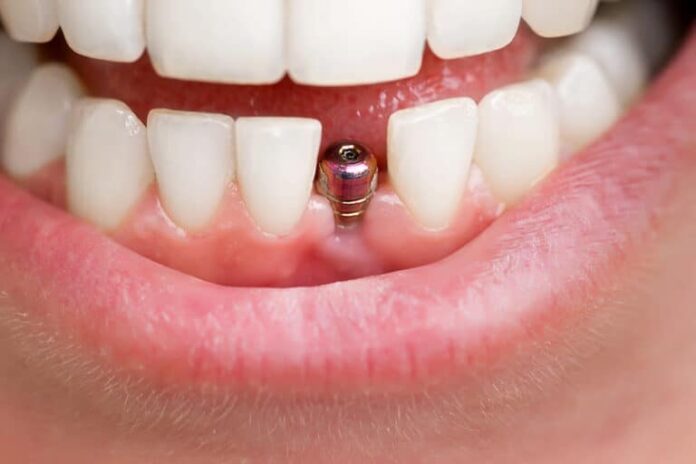
Dental implants serve as a permanent replacement for missing teeth, providing a stable foundation for artificial crowns. The treatment spans several months, and it involves multiple phases of clinical care. Understanding the biological mechanisms involved sets realistic expectations for the physical recovery. Here is more information on what to expect:
What Are Dental Implants?
Dental implants are titanium posts that a surgeon surgically places directly into the jawbone. This metal fixture serves as an artificial tooth root, and it provides a strong base for a customized replacement tooth. The titanium material is biocompatible, so the surrounding bone fuses to the implant over time. This biological fusion process creates a secure anchor to which the artificial tooth attaches directly for maximum stability.
How Do They Work?
Implants function by integrating with the natural bone. The titanium surface encourages natural bone cells to grow around it, so the post becomes firmly embedded in the jaw structure. Once the integration is complete, the implant can withstand heavy biting forces and function like a natural tooth root. A secure foundation is established during this phase, preventing the implant from shifting during daily mastication.
What Does the Process Involve?
The procedure begins with a comprehensive dental exam, and the dentist will take dental X-rays. These images reveal the jawbone’s density and help the clinician develop a precise treatment plan. If the jawbone is too thin, the patient may need a bone graft. The initial surgery involves placing the titanium post into the bone.
After the jawbone fuses with the implant, the patient returns for the abutment placement procedure. The surgeon opens the gum tissue to expose the implant, and the abutment is securely attached to the titanium post. The soft tissues heal around this new component. After the gums have healed, the dentist takes impressions of the mouth, and the dental laboratory custom-fabricates the final ceramic crown.
What Is Recovery Like?
Recovery from implant surgery occurs in distinct stages, with patients experiencing varying degrees of localized swelling and bruising. Soft foods are recommended during the first few days. Strenuous physical activity may be avoided to minimize the risk of bleeding. The gums heal relatively quickly, but the internal bone integration process takes several months to complete entirely.
The dental professional will provide specific aftercare instructions, and following these guidelines supports physical healing. Patients should maintain oral hygiene by brushing carefully around the surgical site to remove bacterial plaque. Rinsing with an antimicrobial mouthwash protects the vulnerable soft tissue during the initial healing phase. Routine follow-up appointments allow the dentist to monitor healing progress.
What Are the Benefits?
Dental implants prevent active bone loss in the jaw, and they help maintain the natural structural shape of the patient’s face. Implants do not slip or click during chewing, offering a permanent structural solution for tooth loss. Patients may speak clearly without oral discomfort, and the replacement teeth function identically to natural human dentition. The completed implants can last a long time with proper care.
Consult a Dentist Today
Dental implants offer a reliable method for total tooth replacement, and the multi-step surgical process yields long-lasting functional results. Understanding the required phases of treatment prepares patients for surgery. Schedule an initial appointment with a dental professional to evaluate your jawbone health. A dentist will determine if you are a suitable candidate for the procedure.

