
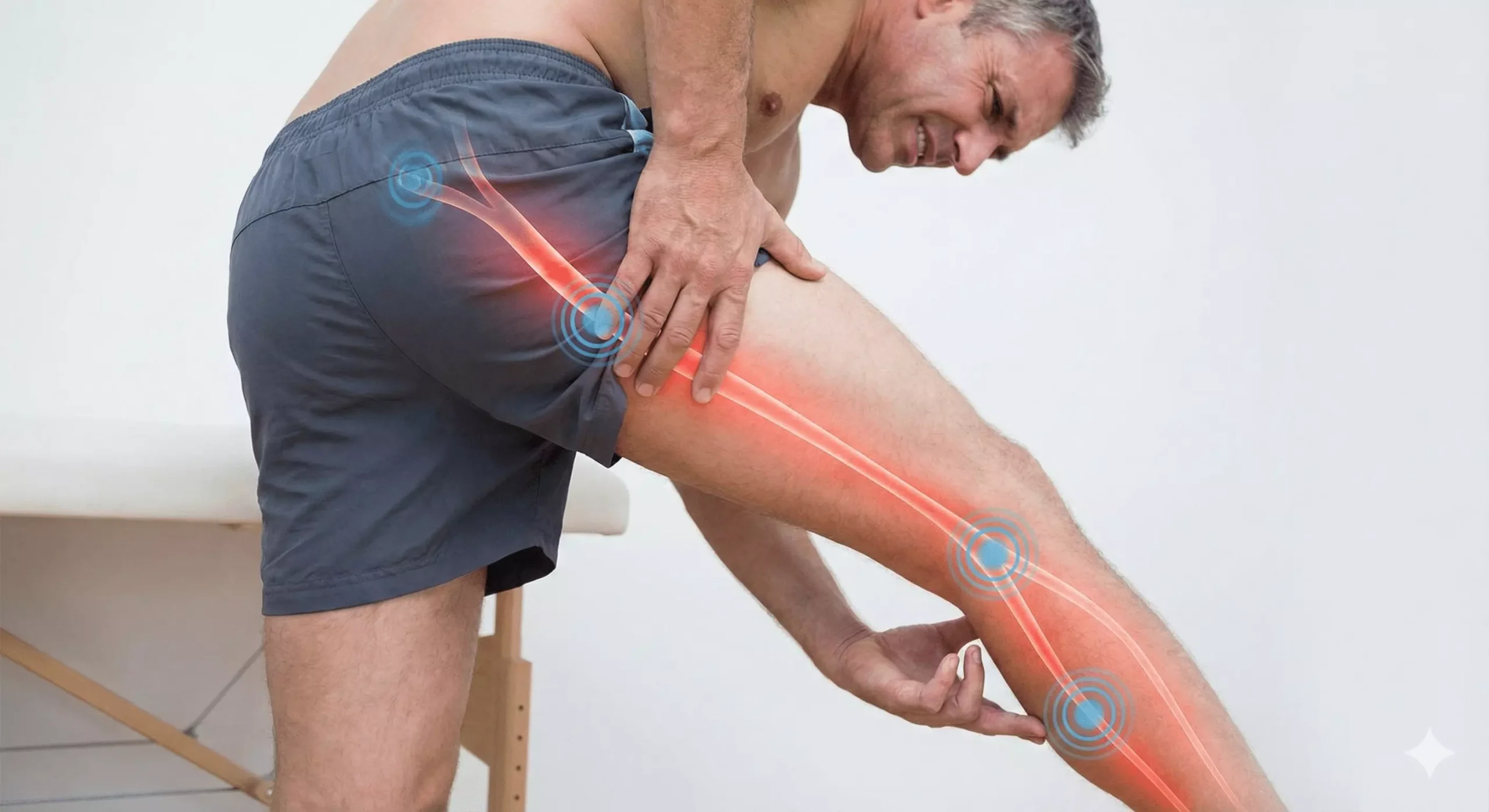
Identifying and Treating Common Causes of Leg Pain
Leg pain is a common symptom among cardiology patients, and it often indicates an underlying vascular condition. Identifying the specific origin of this discomfort guides the clinical approach. A thorough evaluation by a medical professional provides information on the current state of your circulatory system. Here is more information on leg pain:
What Is Leg Pain?
Leg pain manifests as physical discomfort anywhere between the pelvis and the heels and can originate from various anatomical structures. It presents as a dull ache or a sharp sensation, and patients may describe it as a cramping feeling during physical activity. Medical professionals evaluate the duration and severity of the pain during an initial consultation. Diagnostic tools isolate the affected veins or arteries, dictating the next phase of treatment.
What Causes It?
Several vascular conditions lead to lower extremity discomfort, and peripheral artery disease (PAD) is a common diagnosis. PAD occurs when narrowed arteries reduce blood flow to the limbs, leading to claudication during exercise. Chronic venous insufficiency (CVI) also contributes to this problem. CVI occurs when leg veins fail to return blood to the heart, causing blood to pool in the lower extremities.
Deep vein thrombosis (DVT) is another serious medical condition that involves a blood clot in a deep vein. This clot blocks normal circulation, and the surrounding tissue swells rapidly. DVT requires immediate medical evaluation to prevent the clot from traveling to the lungs. Physicians may use ultrasound imaging to confirm the presence of DVT, and they monitor the patient during the initial diagnostic phase.
Vascular issues can sometimes progress to open wounds, known as leg ulcers. Leg ulcers typically develop around the ankles, and they result from prolonged fluid accumulation or poor arterial circulation. These wounds heal very slowly without proper medical intervention. Specialized wound care helps prevent bacterial infections, and advanced dressings manage the localized fluid drainage.
What Are the Symptoms?
The clinical presentation of vascular issues varies, but patients may report a heavy or aching sensation in their calves. Skin discoloration is a marker of venous disease, with the affected area appearing red or blue. Swelling around the ankles may worsen throughout the day and subside after elevating the legs. Numbness or coldness in the lower extremities indicates poor arterial flow.
Patients with PAD may experience pain during walking. DVT often presents with sudden warmth in one leg, and the affected calf becomes tender to the touch. Leg ulcers appear as shallow craters on the skin surface that may produce discharge. Recognizing these physical changes aids in timely diagnosis, and prompt reporting to a physician helps improve overall outcomes.
What Are the Treatment Options?
Medical providers offer several therapies for vascular issues, and sclerotherapy is a standard procedure for certain vein abnormalities. During sclerotherapy, a doctor injects a solution directly into the affected vein, causing the vessel to collapse and fade. Oral anticoagulant medication prevents existing clots from growing larger.
Endovenous radiofrequency ablation uses heat to close malfunctioning veins, and blood naturally reroutes through healthier pathways. Endovenous laser therapy operates on a similar principle, using light energy to seal the problematic blood vessels. Severe arterial blockages require mechanical intervention, and a minimally invasive peripheral angioplasty opens these narrowed pathways. Doctors may also perform an atherectomy to physically remove the plaque buildup from the arterial wall.
Consult a Cardiologist Today
Vascular discomfort requires proper medical attention, with early intervention helping to halt the progression of underlying diseases. A thorough examination identifies issues like PAD or DVT, and the resulting treatment plan targets the root cause. Schedule an evaluation with a cardiovascular specialist to discuss your symptoms.
- How To Choose Between Rural Space And Suburban Convenience When Buying A Parker County, Texas Home
- When a Mobile App Should Take Over the Screen: Full-Screen Overlay UX Practices for 2026
- Before You Fall In Love With A South Florida Waterfront Home: A 2026 Buyer’s Due-Diligence Checklist
- Selling Your House in Franklin, New Hampshire: A Comprehensive 2026 Guide
- How to Reduce Stress When Selling Your Home: A Practical Guide