
What Is Involved in Preventive Care?
Preventive care encompasses healthcare measures designed to maintain your well-being and identify health issues before they become severe. This approach to medicine focuses on disease prevention and health maintenance rather than waiting to treat symptoms as they arise. During preventive care, your provider monitors your key health metrics and updates your medical history. They also administer protective treatments. Preventive care focuses on maintaining your overall health, and it helps your doctor identify potential issues early. By understanding what this type of care involves, you can take a more active role in managing your long-term health.
Routine Checkups
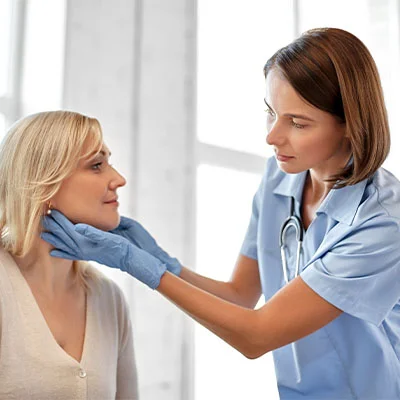
Regular appointments with your primary care physician form the foundation of preventive care medicine. During these annual or bi-annual visits, your provider takes the time to understand your unique risk factors. They do this by thoroughly reviewing your personal and family medical history. They will perform a comprehensive physical examination to evaluate your general health; these visits play a key role in establishing an ongoing partnership between you and your provider for maintaining wellness.
During a routine checkup, you can expect your provider to:
- Measure your vital signs, including your blood pressure, heart rate, respiratory rate, and body temperature.
- Record your height and weight to calculate your Body Mass Index (BMI).
- Listen to your heart and lungs to confirm they are functioning properly.
- Check your reflexes and examine areas like your throat, ears, and abdomen.
These appointments also give you a dedicated space to discuss lifestyle habits, such as your daily diet, exercise routine, and sleep patterns.
Health Screenings
Health screenings are specific medical tests used to check for diseases or conditions before you show any physical symptoms. The main goal of a screening is early detection, and your age, gender, biological sex, and family medical history will help your provider determine which specific screenings may be recommended for you. Even if you feel perfectly healthy, routine screenings remain a key part of your healthcare plan. Identifying conditions early can provide you and your provider with more practical options for managing your health effectively over time.
Preventive health screenings may include standard blood tests to measure cholesterol, kidney function, and blood glucose levels; some individuals are advised to have bone density scans to evaluate bone strength and thickness. Imaging tests, such as mammograms, or procedures like colonoscopies, can help detect early cellular changes. Screenings may also involve tests like pap smears or HPV testing to monitor cervical health.
Recommended Immunizations
Immunizations, commonly referred to as vaccines, are another core component of modern preventive medicine. They are specifically formulated to protect you from various infectious diseases. By receiving vaccines according to the schedule recommended by medical professionals, you reduce your personal risk of contracting and spreading these illnesses. Vaccines expose your body to a safe version of a pathogen, and your immune system learns how to fight it effectively. While many people associate immunizations with childhood, adults also require ongoing vaccinations. Your healthcare provider will track your vaccination history and recommend necessary updates. This often includes an annual influenza shot, a pneumococcal vaccine for older adults, or routine booster doses for tetanus, diphtheria, and pertussis (Tdap).
Ask About Preventive Care Today
Managing your health requires consistent attention and a willingness to take proactive steps. Your primary care provider is there to support you and guide you through this process step by step, so ask your doctor questions about which preventive services are right for you. Contact your physician’s office today to find out which routine checks, screenings, and immunizations align with your current age and health status. Scheduling your next wellness exam is a practical, straightforward step toward supporting your ongoing health and well-being.
- How To Choose Between Rural Space And Suburban Convenience When Buying A Parker County, Texas Home
- When a Mobile App Should Take Over the Screen: Full-Screen Overlay UX Practices for 2026
- Before You Fall In Love With A South Florida Waterfront Home: A 2026 Buyer’s Due-Diligence Checklist
- Selling Your House in Franklin, New Hampshire: A Comprehensive 2026 Guide
- How to Reduce Stress When Selling Your Home: A Practical Guide