
How To Choose Between Rural Space And Suburban Convenience When Buying A Parker County, Texas Home
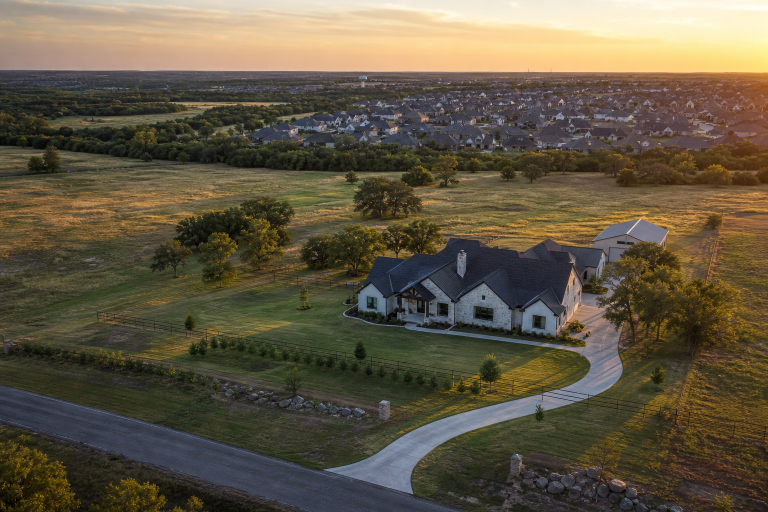
A beautiful listing can make almost any home feel like the right one. But in Parker County, where buyers may be choosing between acreage near Brock or Lipan and a neighborhood setting near Weatherford, Aledo, or Willow Park, the better question is how the property will work on an ordinary Tuesday. Commutes, school runs, grocery trips, privacy, road conditions, and time spent maintaining the land all shape whether a home remains a good fit after move-in day.
Buyers comparing Parker County, TX homes for sale can use The Atkins Agency’s local property search to explore options across the county, including homes in the Weatherford and Aledo areas, as well as properties with land. Because the agency works with residential, land, farm, and ranch, and luxury real estate in the Parker County area, its search platform is a practical starting point for weighing the tradeoff between more space and easier daily access.
Rural And Suburban Living At A Glance
Neither setting is automatically better. The strongest choice is the one that supports your priorities, budget, and plans.
- Lot size and privacy: Rural properties may offer more acreage, wider setbacks, and room for animals, workshops, or gardens. Suburban homes typically provide less land but can offer a more manageable yard.
- Services and errands: Suburban locations often place stores, restaurants, schools, and medical offices closer to home. Rural buyers should be comfortable planning trips and driving farther for routine needs.
- Road access: A longer drive may be worthwhile for privacy, but it should be tested during the times you will actually travel.
- Utilities: A neighborhood home is more likely to have established utility service. Acreage properties may rely on a well, septic system, propane, or service providers that vary by address.
- Maintenance: More land can mean more mowing, fencing, drainage work, equipment, and attention to outbuildings.
- Rules and amenities: Subdivisions may have homeowners’ association rules and shared amenities. Rural land may offer more flexibility, although deed restrictions and local rules can still apply.
- Resale flexibility: A home with broad appeal, sound access, and dependable services may be easier for future buyers to evaluate.
Compare The Location Before The House
Countertops can be changed. A location cannot. Before becoming attached to a floor plan or view, drive from the property to work, school, grocery stores, pharmacies, and urgent care. Make the trip during normal traffic hours, not only on a quiet weekend morning.
Visit more than once a day. Listen for traffic, trains, construction, barking dogs, or nearby commercial activity. Look at drainage after rain when possible, and ask about planned roads, subdivisions, industrial uses, or other development that could change the area. The practical neighborhood factors you should consider when buying a home are a useful reminder that daily conditions deserve as much attention as finishes.
Think Through The True Monthly Cost
The sales price is only the beginning of the ownership calculation. Compare the expected monthly and annual costs for each property before deciding which option is the better deal.
- Mortgage principal and interest
- Property taxes and homeowners insurance
- Flood, wind, or other coverage when appropriate
- Electricity, water, internet, propane, and trash service
- Fuel, vehicle wear, and time associated with longer drives
- HOA dues, transfer fees, or possible assessments
- Well, septic, private road, fencing, gate, and equipment expenses
- Routine repairs, landscaping, and seasonal upkeep
A lower-priced rural home can require more spending on land care and transportation. A suburban home may have a higher tax bill, HOA dues, or a smaller lot. Value is personal, so build a budget around your real routine rather than the listing price alone.
Check Utilities And Property Systems Carefully
Questions For Rural Properties
- Is the water source a public service or a private well?
- Does the home use a septic system, and when was it last inspected?
- Is reliable high-speed internet available at the exact address?
- Are there recorded easements, private roads, or shared-driveway agreements?
- What condition are the fences, gates, barns, workshops, and other outbuildings in?
Questions For Suburban Properties
- Which utilities and services are available, and what do they typically cost?
- What does the HOA maintain, and what restrictions affect parking, pets, exterior work, or home businesses?
- Could future construction phases bring additional traffic, noise, or changing views?
Match The Home To Long-Term Plans
Think beyond the next year. Remote workers should verify internet reliability and identify a workable office area. Families may prioritize school assignments, access to activities, and a manageable daily schedule. Horse or livestock owners need to confirm restrictions, fencing, water, and the land’s practical usability. Frequent travelers may prefer simpler upkeep and a property that is easy to leave unattended. Older buyers should consider access to medical care, stairs, yard maintenance, and future mobility.
Compare New Construction And Existing Homes
Newer suburban homes may offer contemporary layouts, energy-conscious features, warranties, and community amenities. Existing rural or semi-rural homes may offer mature trees, established roads, larger lots, and more character. Both deserve careful inspection. Older homes can require close review of roofs, foundations, plumbing, electrical systems, and drainage. New construction buyers should understand builder options, HOA rules, lot placement, and the fact that surrounding development may still be underway.
Smaller new-home designs can also make efficient use of space through features such as nooks and compact work areas, a trend explored in this report on changing Texas home design. Focus on how the layout supports your household rather than assuming newer or larger is automatically better.
Use A Simple Home Comparison Scorecard
Rate every serious option from one to five, then give extra weight to the categories that matter most to you:
- Commute and road access
- Total ownership cost
- Privacy and outdoor space
- Internet and utility reliability
- Nearby services
- School and family needs
- Maintenance demands
- Resale flexibility
- Comfort with future development
- Overall lifestyle fit
Due Diligence Steps Before Making An Offer
Review seller disclosures, confirm school district and tax information, and obtain a professional inspection. For acreage, consider inspections of the well, septic, foundation, roof, pool, or other specialties when appropriate. Check flood risk, drainage, easements, access roads, deed restrictions, and HOA documents. Test cell coverage and internet at the property, visit again at a different time, and estimate utilities, fuel, and maintenance before the option period ends.
Final Takeaway
The best Parker County home is not necessarily the largest, newest, or closest to town. It is the property that fits your budget, schedule, comfort with upkeep, and plans for the years ahead. Carefully compare location, ownership costs, systems, services, and daily lifestyle, and the rural-versus-suburban decision becomes much clearer.
- How To Choose Between Rural Space And Suburban Convenience When Buying A Parker County, Texas Home
- When a Mobile App Should Take Over the Screen: Full-Screen Overlay UX Practices for 2026
- Before You Fall In Love With A South Florida Waterfront Home: A 2026 Buyer’s Due-Diligence Checklist
- Selling Your House in Franklin, New Hampshire: A Comprehensive 2026 Guide
- How to Reduce Stress When Selling Your Home: A Practical Guide