
Before You Fall In Love With A South Florida Waterfront Home: A 2026 Buyer’s Due-Diligence Checklist
Key Takeaways
- A water view does not necessarily make a home easy to insure, maintain, or resell.
- Flood exposure, wind protection, drainage, seawalls, docks, permits, and water access all deserve early review.
- The true cost of ownership includes insurance, taxes, maintenance, marine structures, and potential deferred repairs.
- Useful boating access depends on depth, bridge clearance, canal conditions, and the route to open water.
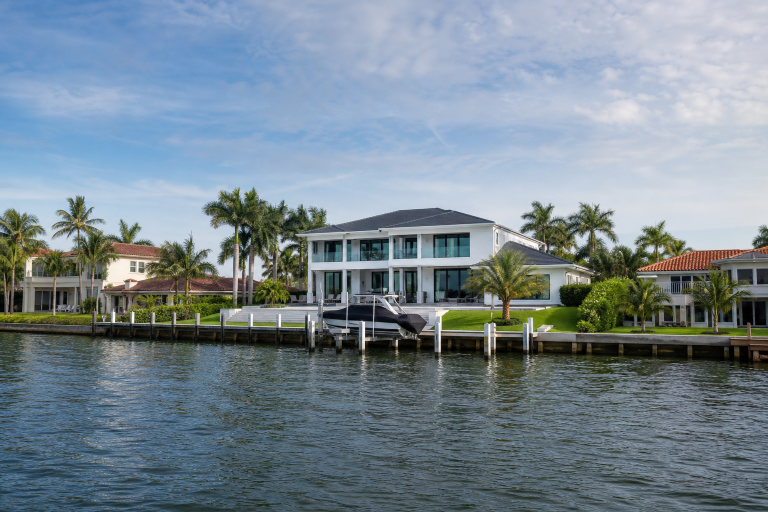
South Florida waterfront living can be extraordinary, but a panoramic view, private dock, or direct Intracoastal frontage should be the beginning of a buyer’s research, not the end. Coastal homes have site-specific costs and risks that may not be visible during a sunny showing.
For a neighborhood-level perspective, buyers comparing luxury waterfront options can consult Delray Beach real estate agent Renee Strack. Renee Strack’s website focuses on luxury real estate in Delray Beach and Palm Beach County, including oceanfront estates, Intracoastal residences, new construction, and sought-after nearby communities. That local specialization can help buyers compare the practical differences between properties in Delray Beach, Gulf Stream, Highland Beach, Ocean Ridge, Boca Raton, and beyond.
Why Waterfront Homes Need Extra Research
Two similarly priced homes can produce dramatically different annual expenses. One may have a newer roof, impact openings, a sound seawall, deep water, and straightforward insurance. Another may require costly marine work, face a higher premium, or have aging equipment exposed to salt air. Treat the property as both a residence and a coastal site with ongoing structural and environmental demands.
Common issues include flood exposure, wind damage, salt-air corrosion, drainage problems, erosion, seawall movement, dock wear, boat-lift repairs, and elevated insurance costs. A standard home inspection is important, but it may not fully evaluate shoreline structures or determine whether a dock works for your intended boat.
Build A True Ownership Budget
Before making an offer, estimate the annual cost beyond principal and interest. Include homeowners, windstorm, and flood insurance; property taxes; association dues; pool and landscaping care; roof, HVAC, and window upkeep; plus periodic dock, lift, and seawall maintenance.
For example, a home with a lower asking price may appear to be the better value until a buyer discovers higher insurance premiums, an older roof, and a seawall needing near-term repair. A more expensive home with recent upgrades, documented permits, and lower anticipated repair needs may be the more manageable long-term purchase.
Check Flood Zones And Insurance Early
Flood research should happen before the inspection period is nearly over. Review the property’s current designation using FloodSmart’s flood-zone guidance, then ask an insurance professional for preliminary quotes. Lender requirements may apply in certain zones for federally backed financing, but flood risk remains relevant even when coverage is not mandatory.
Questions To Ask
- What is the current FEMA flood zone, and has it changed recently?
- Is an elevation certificate available?
- Has the home experienced flooding, water intrusion, or drainage issues?
- Are mechanical systems, electrical components, and storage areas appropriately elevated?
- What are the estimated annual flood, wind, and homeowners’ insurance costs?
A flood-zone designation does not automatically make a property unsuitable. It means the buyer should understand the exposure, mitigation features, insurance options, and budget before becoming emotionally committed.
Review Wind Protection And Building Details
Construction details can influence safety, maintenance, and insurance as much as location. Review roof age and replacement records, impact-rated windows and doors, storm shutters, garage-door protection, roof-to-wall connections, electrical panel condition, and the placement of outdoor air-conditioning equipment. Ask about prior storm repairs and obtain documentation where possible.
Request insurance quotes before contingency deadlines expire. Also, remember that standard homeowners’ policies generally do not cover flood damage.
Inspect Seawalls, Docks, And Real Water Access
A waterfront buyer often needs a dedicated marine, seawall, or structural inspection in addition to a general home inspection. Evaluate the seawall’s approximate age, cracking, leaning, bulging, drainage behind the wall, repair history, permits, ownership responsibility, and likely future replacement cost.
For docks and lifts, confirm water depth at low tide, dock dimensions, shore-power and water connections, lift weight rating, permit status, riparian rights, and canal turning room. Listing photos cannot tell you whether the lift can safely handle your vessel or whether shallow water makes the dock impractical.
Trace the complete route to open water. Measure your boat’s height, check every fixed bridge, verify depth at low tide, identify no-wake zones, and ask about dredging needs or shared-canal access. Being “on the water” is not always the same as having functional access to boating.
Review Records, Permits, And Restrictions
During due diligence, review the seller disclosure, property survey, elevation certificate, insurance history, seawall and dock permits, open municipal permits, title commitment, easements, recent reports, and association documents. If an HOA or condominium association is involved, examine rules governing renovations, rentals, pets, boats, dock use, and assessments.
A seller disclosure is helpful, but it does not replace independent inspections, title research, municipal record checks, insurance analysis, or advice from qualified attorneys, engineers, surveyors, and marine specialists when needed.
Use The Findings When Writing An Offer
Make the contract reflect what still needs to be verified. Depending on the property and local contract terms, buyers may seek inspection contingencies, insurance approval periods, permit and title reviews, seawall and dock inspections, clear document delivery deadlines, repair requirements, credits, or price adjustments. Avoid making assumptions about the condition before licensed professionals provide their reports.
Final Checklist Before Closing
- Flood zone and insurance quotesconfirmed
- Roof, impact protection, and storm-repair history reviewed
- The seawall, dock, and boat lift were independently inspected
- Water depth, bridge clearance, and boating route verified
- Permits, easements, survey, and title documents examined
- Association records reviewed, if applicable
- Total annual ownership cost calculated
A South Florida waterfront home should be judged by more than its view. Careful research into insurance, flood exposure, structural condition, marine features, access, and neighborhood fit can protect both the lifestyle and long-term value that made the property appealing in the first place.
- How To Choose Between Rural Space And Suburban Convenience When Buying A Parker County, Texas Home
- When a Mobile App Should Take Over the Screen: Full-Screen Overlay UX Practices for 2026
- Before You Fall In Love With A South Florida Waterfront Home: A 2026 Buyer’s Due-Diligence Checklist
- Selling Your House in Franklin, New Hampshire: A Comprehensive 2026 Guide
- How to Reduce Stress When Selling Your Home: A Practical Guide