
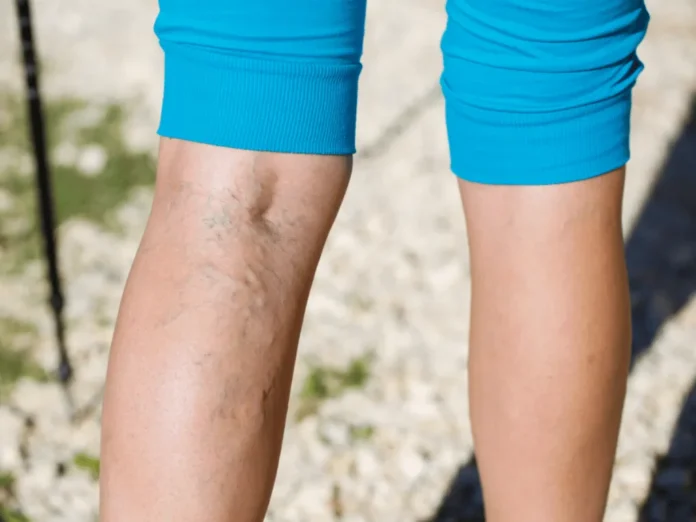
Varicose veins are larger, twisted blood vessels that commonly develop in the legs. During pregnancy, the body produces more blood to support the developing fetus, and this increased blood volume adds pressure to the vascular system. Hormonal changes also relax the vein walls, making them more susceptible to expanding. Varicose veins often appear during pregnancy, and they may persist after delivery. Here’s information about managing varicose veins after pregnancy:
How To Reduce These Veins
There are many methods to reduce the appearance of veins, but addressing varicose veins often begins with conservative, at-home approaches. Lifestyle modifications can support healthy blood flow and ease discomfort in the lower legs. Elevating your legs above the level of your heart encourages blood to return to the chest. Taking brief breaks to rest and elevate the legs, and regularly wearing compression garments, also reduces swelling.
Compression stockings apply gentle pressure to the legs, which helps maintain proper blood flow. Selecting the correct compression level is fundamental for effectively supporting your vascular system. A vascular specialist can recommend compression stockings and verify that your garments are fitting well for your physiological needs. Engaging in low-impact exercises, such as walking or swimming, also promotes calf muscle contractions. These contractions help move blood upward against gravity.
How To Treat These Veins
If conservative measures do not reduce your veins, professional medical interventions are available. Physicians evaluate the severity of your vein condition to determine the most appropriate approach, from lifestyle guidance to advanced interventions. There are two common procedures for addressing persistent vascular issues:
Sclerotherapy Options
Sclerotherapy involves injecting a specialized solution directly into the affected varicose vein, irritating the blood vessel’s inner lining. This irritation causes the vein to collapse and eventually fade from view, as the body absorbs it. Blood naturally reroutes through healthier veins nearby. Sclerotherapy options typically require minimal recovery time after the injections, depending on your underlying health. Providers recommend wearing compression stockings for a short period after the injections to support your healing.
Endovenous Ablation
Endovenous ablation is another minimally invasive surgery that uses thermal energy to close off a problematic vein. A vascular specialist inserts a thin catheter into the vessel, and they apply radiofrequency or laser energy to the inner vein wall. This targeted heat causes the vein to seal shut, allowing the body to gradually absorb the inactive vessel. This ablative technique addresses larger veins that may not respond well to sclerotherapy. The procedure allows most individuals to return to standard daily routines quickly.
How To Manage Them Long-term
Maintaining vascular health often requires ongoing medical attention, and a specialist can determine what will improve your condition. They may focus on lifestyle changes, like weight management, because reducing excess pressure on the lower extremities can improve vascular health. Adopting a balanced diet also supports overall cardiovascular function. When discussing your diet, determine if you are taking in too much sodium. Limiting excess sodium intake can also minimize water retention that contributes to leg swelling. Regular check-ups monitor your vascular health, so you can address new issues before they progress.
Manage Your Varicose Veins Today
At-home methods offer support, but medical evaluation provides a clear understanding of your vascular system. A vascular specialist evaluates the structure of your veins and recommends appropriate steps based on your unique needs. If you have concerns about veins that have not resolved after childbirth, schedule a consultation with a professional today. They guide you through your available options to determine the most appropriate path forward.

