
Home Blog Page 12

The Role of Compression Socks in Enhancing Circulation and Comfort

0

Many individuals experience leg discomfort or swelling due to prolonged standing, extended sitting, or underlying vein conditions. Addressing these symptoms early can promote overall leg health and daily comfort, and one widely utilized method for managing such symptoms is the use of compression socks. Medical-grade compression wear is designed to support the lower extremities by applying controlled pressure. This targeted pressure assists blood flow back to the heart, minimizing pooling in the lower legs. Understanding the various types of compression devices and their correct application can improve patient outcomes. 

What Are Compression Socks?

Compression socks are specialized hosiery that are designed to apply gentle pressure to the legs and ankles. Unlike regular socks, they use graduated pressure to support the circulatory system. Vein specialists often recommend these garments to help control symptoms associated with venous insufficiency and general leg swelling.

By supporting weakened vein walls, compression socks assist the pumping action of calf muscles. This continuous support helps maintain upward blood flo and reduce the likelihood of fluid accumulation in the lower extremities. Medical providers frequently prescribe these stockings after procedures like sclerotherapy or laser treatments. Wearing them following a treatment cycle minimizes the chances of new vein issues developing over time.

What Are the Types?

Various compression garments exist to accommodate different patient needs and physical capabilities. Certified fitters may provide guidance to find the most appropriate option for an individual’s specific health requirements. Graduated compression stockings apply a high level of pressure at the ankle. As the garment extends up the calf or thigh, the pressure gradually decreases. This specific design encourages blood to move upward, which counters the effects of gravity on the circulatory system.

Some individuals require alternative options. Velcro compression wraps deliver substantial pressure and are easier to put on than traditional stockings. Patients with certain issues, like arthritis or back issues, may find Velcro wraps more manageable to apply daily. The adjustable nature of these wraps allows for customized pressure distribution throughout the day.

How Do They Work?

The primary function of these garments relies on mechanical support. Compressing the leg decreases the diameter of distended veins, which helps the valves inside the veins function more effectively. This mechanism supports the calf muscle, directing blood out of the legs and preventing fluid retention at the ankle level.

Applying compression stockings can present physical challenges for many individuals. A common manual method involves turning the stocking inside out down to the heel, slipping the foot in, and gradually unrolling the fabric up the leg. For patients facing mobility constraints, dedicated application devices may be available. Medical staff can instruct patients on utilizing these tools to apply and remove stockings with minimal physical strain. Seeking personalized instruction guarantees a proper fit and maximizes the clinical benefits of the chosen garment.

Consult a Vein Specialist

Managing vein health often requires professional guidance to identify the most suitable interventions. While compression garments offer substantial support for daily comfort, they require precise sizing and application to function optimally. A medical provider can assess your venous function and recommend the exact level of pressure required for your specific condition. Receiving a careful fitting from them prevents complications associated with improperly sized garments. A vein specialist will formulate a customized approach, incorporating medical-grade compression wear and other supportive strategies to optimize your leg health and overall well-being.

The Role of Sports Medicine in Injury Prevention and Recovery

0

A sports medicine specialist is a trained professional who focuses on physical fitness and the management of exercise-related injuries. These experts include physicians, physical therapists, and athletic trainers who work together to help active individuals improve their performance. Rather than focusing solely on immediate symptoms, a specialist takes into account overall health and functionality to guide recovery. Here’s information on the role of sports medicine in injury prevention and recovery:

Types of Sports Injuries

Sports injuries generally fall into two broad categories: acute and overuse. Many injuries result from improper training practices, inadequate equipment, or poor environmental conditions. Acute injuries happen suddenly during an activity, and overuse injuries develop gradually from repetitive motion. Some common examples of acute issues include ankle sprains, muscle strains, and bone fractures. Overuse issues commonly involve stress fractures or tendon inflammation resulting from continuous strain.

Getting Injured

Skipping warm-up routines, pushing through severe fatigue, and failing to use proper techniques are common contributors to physical strain. A sudden increase in the intensity or duration of a workout can easily overwhelm unprepared muscles and joints. There are many potential causes of injury, but by warming up and adjusting your routines, you can protect your body during exercise.

Seeing a Specialist

You should visit a sports medicine specialist if you experience severe pain, noticeable swelling, or a sudden inability to place weight on a joint. Early evaluation helps establish a timely treatment plan, as delaying a consultation may complicate your recovery process. A specialist evaluates the mechanics of your injury to provide a thorough and realistic assessment of your condition. Other warning signs you may need a doctor include:

  • Visible Deformities
  • Popping Sounds During an Impact
  • Lingering Pain That Doesn’t Improve With Rest  

Ways To Treat Injuries

Many sports-related injuries respond well to non-surgical treatments. Sports medicine providers often recommend a structured combination of rest, ice, compression, and elevation to manage initial swelling and discomfort. Immobilization devices, such as braces or walking boots, may be utilized to protect the affected area from further stress. This careful approach allows the affected tissues adequate time to stabilize before physical demands are safely reintroduced. Surgery may be recommended when conservative efforts fail to improve your condition.

Rehabilitation is a fundamental step in the recovery process. Physical therapy programs focus on progressively restoring strength, flexibility, and overall range of motion through carefully guided exercises. Your providers may also incorporate manual therapy or specialized equipment to support joint mobility. Specialists monitor your progress closely, and they adjust your program to match your current physical capabilities. This structured, step-by-step progression helps rebuild resilience in the affected, healing area or limb.

Ways To Prevent Injuries

There are many ways to help you prevent injuries or reinjury, and many sports medicine practices offer strength and conditioning training. Strength and conditioning training plans are personalized to your needs and goals. No matter where you exercise, preventing injury requires a proactive, consistent approach to physical activity. Incorporating dynamic warm-ups and static cool-down routines helps prepare your body for exertion and supports a more effective recovery. Utilizing appropriate gear, such as supportive footwear and protective padding, can reduce impact forces and provide key structure.

Benefit From Sports Medicine Services

Whether you play high-impact sports or enjoy daily jogging, a sports medicine specialist provides targeted, comprehensive care to keep you moving efficiently. These professionals provide personalized strategies to help you safely navigate your fitness goals and manage physical limitations. Accessing these specialized services gives your body the appropriate, professional care it needs to function efficiently over time. Contact a specialist today to schedule a consultation about your exercising needs.

How Snoring Specialists Can Help You Sleep Better

0

Snoring affects many individuals, disrupting their normal sleep patterns. Patients may dismiss this sound as a minor issue, but it sometimes indicates underlying respiratory or anatomical conditions. A dental professional will evaluate these symptoms and provide targeted treatments to address the root cause of the noise. Here is more information on snoring and how a snoring specialist can help:

What Is Snoring?

Snoring is the harsh sound that occurs when air flows past relaxed tissues in the throat. The tissues vibrate during breathing, creating the characteristic noise. A snoring specialist will evaluate the airway structures, and they can determine the anatomical source of the sound.

The sound varies in volume and frequency, and it may worsen when the individual sleeps on their back. Gravity pulls the soft palate downward, further narrowing the airway. Clinical assessment measures these variations. It also helps categorize the severity of the obstruction.

What Causes It?

Multiple factors contribute to airway narrowing, including muscle relaxation, anatomy, and weight. Alcohol consumption relaxes the throat muscles, and nasal congestion can obstruct the airflow. A common cause of this noise is sleep apnea, a condition that involves repeated pauses in breathing during the night. Patients with sleep apnea experience disrupted oxygen levels, and these fluctuations require clinical evaluation.

Excess body tissue around the neck puts pressure on the airway, and this added weight can cause the passage to collapse. Age also contributes to reduced muscle tone, and looser muscles vibrate more easily during respiration. Identifying the specific trigger requires diagnostic testing. These results guide the subsequent treatment approach.

Structural abnormalities such as a deviated septum restrict nasal breathing, forcing the patient to breathe through their mouth. Mouth breathing changes the position of the jaw, and this alteration increases the likelihood of tissue vibration. A clinical examination determines if dental intervention will resolve the issue.

What Is a Snoring Specialist?

A snoring specialist is a healthcare provider with specific training in sleep-related breathing disorders. Some of these practitioners have a dental background, and they focus on the relationship between oral anatomy and airway function. They assess the jaws, teeth, and soft tissues, which helps identify structural issues that narrow the breathing passage.

What Services Do They Provide?

Specialists begin with a thorough evaluation of the patient’s airway. Based on these findings, they design custom-made oral appliances to treat obstructive sleep apnea. These devices reposition the lower jaw or tongue, and this helps prevent the airway from collapsing during sleep.

The creation of an oral appliance requires precise dental impressions. A specialist sends these impressions to a laboratory, and technicians fabricate the custom device. The patient returns for a fitting session, during which the provider adjusts the appliance for maximum efficacy.

How Is Professional Guidance Beneficial?

Over-the-counter remedies may fail to address the specific anatomical causes of airway obstruction, but professional guidance targets the source of the problem. A customized treatment plan may improve sleep quality and reduce the health risks associated with chronic breathing disruptions. Clinical intervention helps prevent long-term cardiovascular complications. It also has the potential to restore the patient’s regular breathing patterns.

Sleep Better Now

Addressing sleep-disordered breathing requires accurate diagnosis, and targeted treatment may provide effective relief. A dental professional can provide the necessary custom oral appliances, which will maintain an unobstructed airway throughout the night. Schedule a consultation with a local practitioner to evaluate your symptoms.

The Effectiveness of Epidural Steroid Injections in Pain Relief

0

An epidural steroid injection delivers a corticosteroid and a local anesthetic directly into the epidural space of the spine. The epidural space is the area surrounding the spinal cord and the nerve roots. When spinal nerves become irritated or compressed, they can cause significant discomfort that radiates through the body. Epidural steroid injections may be recommended when you have chronic spinal pain, as these injections provide direct access to the inflamed nerve. Here’s information about epidural injection treatments and how they are effective for many spinal conditions:

Addressing Inflamed Spinal Nerves

Spinal nerves can become inflamed due to structural changes in the spine, including conditions like herniated discs, spinal stenosis, or bone spurs. This mechanical compression often leads to radiating pain and tingling in the arms or legs. An epidural steroid injection procedure places anti-inflammatory medication directly into the anatomical region where these affected nerves exit the spinal column. By targeting the exact site of inflammation, the procedure aims to calm the irritated nerve roots without requiring invasive surgery.

Who Are These Injections For?

These injections are typically for individuals experiencing chronic neck, lower back, or leg pain that has not responded to initial conservative treatments. Candidates for this procedure usually have specific clinical diagnoses related to nerve compression, such as sciatica or radiculopathy. The injection itself is not intended as a permanent cure, but it can provide a functional window of effective pain relief. This allows patients to participate more actively in physical conditioning and rehabilitation programs.

When Should You Visit a Specialist?

You should contact a spine specialist or pain management physician if your pain persists for several weeks. Persistent numbness, tingling, or sudden weakness in your extremities also warrants a timely professional evaluation. During a consultation, a specialist will review your detailed medical history and perform a physical examination. They will typically analyze imaging studies, like MRI or CT scans, to determine if the epidural procedure is structurally appropriate for your specific condition. Some standard early treatment recommendations often include physical therapy, rest, and oral anti-inflammatory medications.

Reducing Pain

Corticosteroids are powerful medications that mimic the effects of hormones produced naturally by the adrenal glands. When injected into the epidural space, they work to inhibit the production of inflammatory proteins in the immediate injection area. This action reduces swelling around the nerve roots, and it subsequently decreases the pain signals sent to the brain.

Steroid medication operates gradually over time rather than providing an instant fix. While the local anesthetic mixed with the steroid can provide immediate but temporary numbness, the actual corticosteroid component typically takes several days to reach its full effect. As localized inflammation decreases, pressure on sensitive nerve endings drops, generally resulting in a gradual reduction in overall discomfort.

Managing Pain for Longer

The duration of relief from an epidural steroid injection varies widely among individuals due to differences in overall anatomy. Some people experience significant improvements, but others may notice minimal changes in their comfort levels. For many individuals, a successful injection may provide pain management that lasts up to three or more months. This extended period of targeted relief often enables patients to progress further in their physical therapy programs. Improved mobility, core strength, and flexibility gained during this relief window can then contribute to long-term spinal health.

Learn More About Epidural Steroid Injection

Epidural steroid injections offer a targeted approach to nerve inflammation, and they serve as a key tool in comprehensive pain management plans. To learn more about how this procedure applies to your situation, schedule a consultation with a qualified orthopedic pain specialist. A medical professional will evaluate your symptoms, discuss risks and benefits, and determine an appropriate plan for your condition.

What To Look for When Choosing a Medical Spa

0

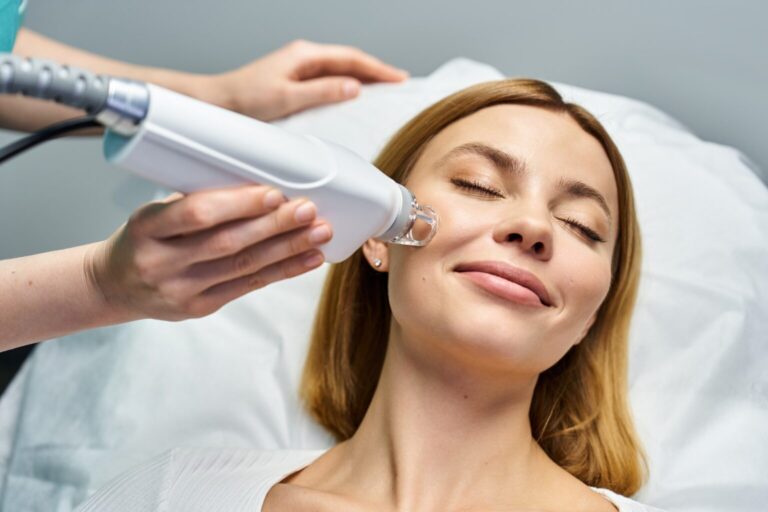
Medical spas combine medical procedures with traditional spa experiences, and they offer various non-surgical cosmetic treatments. Patients may seek these facilities for cosmetic enhancements. Understanding the available options helps individuals make informed decisions about their care. Here is more information on finding a suitable medical spa:

What Is a Medical Spa?

A medical spa operates under the supervision of a licensed healthcare professional, and it provides medical-grade aesthetic procedures. These facilities differ from traditional day spas in that they offer clinical treatments. The staff typically includes physicians, nurses, and dentists.

What Are the Available Services?

Clinics provide a wide range of aesthetic treatments, and the specific offerings vary by location. Standard procedures include Botox injections, dermal fillers, and laser hair removal. Some locations also offer chemical peels or microneedling.

Injectables target fine lines and volume loss across different areas of the face. Laser therapies address pigmentation issues and skin texture abnormalities. Advanced laser machines require specialized training, and medical professionals operate these devices to prevent patient injury. Medical-grade equipment allows clinics to perform non-invasive treatments effectively.

What Conditions Are Treated?

These spas address a range of cosmetic and dermatological concerns, and patients may present with signs of aging. Treatment plans target wrinkles, sagging skin, and facial volume loss. Sun damage and hyperpigmentation represent additional reasons for medical spa visits.

Acne and subsequent scarring require specialized clinical approaches, so providers utilize medical-grade chemical peels or lasers. Patients with rosacea may seek therapies to reduce facial redness and visible blood vessels. Other individuals request treatments for unwanted body hair or persistent cellulite, both of which require a precise medical evaluation.

What Does a Consultation Involve?

A consultation is the initial step in the treatment process, as it establishes the baseline for any future treatments. The provider reviews the patient’s medical history to identify any contraindications. This medical review helps prevent adverse reactions during the chosen procedures.

The clinician physically examines the target areas. They may take baseline photographs for medical records, and the patient discusses their specific cosmetic goals with the provider. The practitioner then develops a customized treatment plan based on clinical findings.

The provider explains the proposed procedures, and they may discuss potential side effects. Patients receive clear instructions regarding pre-treatment and post-treatment care. Consulting a professional helps determine which aesthetic treatments are right for each situation.

What Are the Benefits?

Medical spas offer access to clinical-grade treatments, and these procedures may yield more noticeable results than over-the-counter products. Patients receive care from trained medical professionals in a controlled environment. The non-surgical nature of these treatments may involve minimal downtime, enabling patients to return to their daily activities quickly.

The combination of medical expertise and aesthetic focus provides a comprehensive approach to skin health, so patients achieve targeted outcomes safely. Continuous monitoring by healthcare providers may reduce the likelihood of complications, thereby improving patient outcomes. Facilities utilize advanced technologies to deliver consistent and measurable results.

Find a Medical Spa Today

Selecting a reputable medical spa requires understanding the facility’s credentials and verifying the medical director’s qualifications. Evaluating the available services helps individuals match their needs with the clinic’s capabilities. A thorough consultation determines the suitability of a specific facility. Contact a professional today to schedule an initial consultation and learn more about aesthetic services.

Questions To Ask Your Doctor About Vaccines

0

Medical appointments provide an opportunity to discuss preventive care, including vaccines. Understanding the medical recommendations for your age group helps you make informed choices, so prepare a list of questions before your visit. Preparing a list of questions facilitates a productive conversation with your medical provider. Here is more information on the vaccination process:

What Are Vaccines?

Medical professionals define vaccines as biological preparations that provide active acquired immunity to a particular infectious disease. These formulations typically contain an agent that resembles a disease-causing microorganism, and they are often made from weakened or killed forms of the microbe. The immune system recognizes the agent as a threat and produces antibodies to destroy it. Your doctor can explain the specific components of the formulations recommended for your age group and health status.

What Diseases Do They Prevent?

Immunizations protect you from a variety of severe bacterial and viral infections. You can ask your doctor about the specific illnesses covered by standard vaccination schedules, and they will provide information on each condition. Medical providers administer these preventive treatments to stop the spread of highly contagious diseases within the community. Common conditions prevented through these protocols include measles, influenza, tetanus, and hepatitis.

Different stages of life require protection against different medical conditions. Pediatric patients receive formulations for childhood illnesses, and adults often need boosters for waning immunity. You should discuss your personal medical history with your physician so that they can tailor a schedule to your specific risks. This customized approach protects you against the diseases most likely to affect your demographic.

What Does the Process Entail?

The administration of an immunization usually occurs during a routine clinical visit. The physician cleans the injection site, and they use a sterile needle to deliver the medication into the muscle or under the skin. You will typically wait in the clinic for a few minutes after the procedure so the staff can monitor you for immediate adverse reactions.

Patients benefit from asking their healthcare providers about the timeline for building immunity. The body requires time to produce antibodies, with full protection usually developing a few weeks after the medical visit. Some protocols require multiple doses spread over several months, so your doctor will schedule follow-up appointments accordingly. Tracking these dates in your medical record keeps your preventive care on schedule.

What Are the Benefits?

The primary advantage of this medical intervention is the prevention of severe illness and hospitalization. It provides individuals with direct protection against specific pathogens and benefits communities by decreasing overall transmission rates. Additional benefits include:

  • Collective protection protects vulnerable populations who cannot receive treatments due to medical contraindications.
  • Preventing infections reduces the risk of chronic complications associated with certain viruses.
  • Vaccinated individuals help decrease the overall burden on the healthcare system.

By avoiding certain illnesses, you can maintain a higher quality of life. Your primary care provider can detail how your participation supports public health outcomes.

Talk to Your Doctor Today

Open communication with your primary care provider facilitates better health decisions and outcomes. You should prepare a list of questions before your next appointment. A detailed discussion clarifies the timeline for your preventive treatments, and it addresses any underlying clinical concerns. Schedule a consultation with your medical clinic to review your current immunization status.