
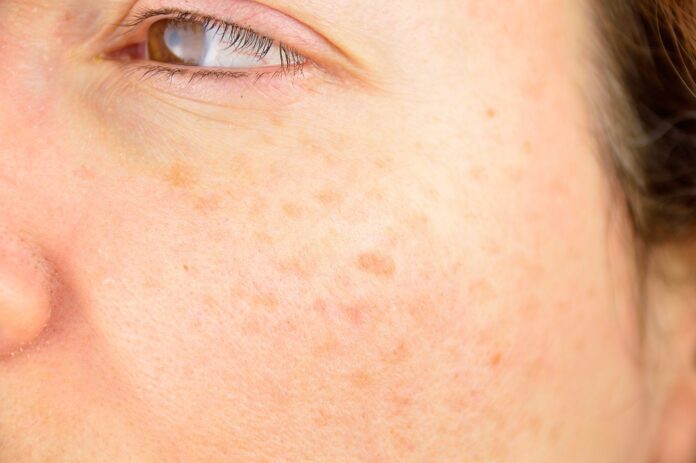
Skin cancer is a widespread medical disease, and it involves the abnormal and uncontrolled growth of cells. Because ultraviolet radiation damages your skin, these affected cells begin to multiply rapidly. Many people develop this condition annually, and frequent sunlight exposure plays a major role. Here is more information on the connection between skin cancer and sun exposure:
Increased Risks
Severe sunburns cause immediate physical pain, and they also clearly indicate internal cellular destruction. Whenever your bare skin rapidly turns red, you face health problems. Blistering sunburns are particularly harmful to your long-term health and physical wellness. Repeated heavy burns consistently multiply your chances of developing severe medical complications later.
Because total cumulative sun exposure matters greatly, regular daily sunlight heavily contributes to skin cancer development. Frequent outdoor workers face distinct occupational health hazards. Many outdoor jobs require constant sun presence, so protective long-sleeved clothing remains absolutely necessary. Proper wide-brimmed hats adequately shield your face from direct afternoon sunlight.
Ultraviolet Rays
The sun emits ultraviolet radiation daily, and these specific rays penetrate your skin very deeply. Ultraviolet light physically damages your skin and can lead to skin cancer. Since these cellular changes accumulate over many years, extensive sun exposure creates lasting physical damage. The ongoing daily radiation steadily triggers unpredictable genetic mutations inside your vulnerable body.
While you cannot see this ultraviolet light, it constantly affects your body during daylight hours. Cloudy days still bring significant sun exposure, so you must consciously protect your exposed skin. Thick clouds fail to block all harmful radiation from reaching the ground outside. Your bare skin absorbs this hidden radiation without producing any immediate physical warning signs.
Daily solar radiation levels peak in the middle of the afternoon. The bright afternoon sun beats down intensely, and local UV indices regularly reach their highest points. If you walk outside at noon, you face the high sunlight exposure risks. Planning your outdoor activities for the early morning prevents unnecessary long-term sun damage.
Similar Risks From Tanning
Commercial tanning beds deliver highly concentrated and dangerous doses of artificial ultraviolet radiation. While some individuals seek a dark cosmetic tan, this artificial UV light causes profound physical harm. Indoor tanning lamps directly mimic the sun, and they heavily multiply your overall disease risk.
These factors may apply:
- High-pressure commercial sunbeds expose you to intense radiation levels.
- Regular indoor tanning heavily increases your lifetime melanoma rates.
- Excessive use of tanning beds at a young age magnifies your dangers.
Broad-Spectrum Sunscreens
Quality broad-spectrum products block multiple light wavelengths, and they provide an excellent daily defense. Topical sunscreen strictly limits the precise amount of harmful radiation hitting your bare skin. When you apply these thick protective lotions correctly, you may lower your chances of cellular damage. Frequent reapplication is strictly needed every few hours for effectiveness.
Get Checked for Skin Cancer
If you suddenly notice new or changing moles, a medical professional needs to examine you. Early medical detection may save lives, so schedule an annual dermatologist appointment today. Regular professional skin screenings proactively protect your future physical health and wellness. Call your local medical clinic to book your comprehensive skin evaluation.

