
Medical professionals use a systematic process to evaluate reproductive barriers. Patients undergo specialized testing, which helps determine the precise cause of their condition. The resulting data dictates the appropriate clinical pathway, and doctors present various options to address the underlying issue. Here is more information on infertility, its causes, and the available treatment options:
What Is Infertility?
Medical professionals define infertility as the inability to conceive after one year of regular, unprotected intercourse. This timeframe applies to individuals under 35; it drops to 6 months for those over 35. The diagnosis indicates a disruption in the reproductive system. A physician will perform tests to establish this diagnosis before proceeding with appropriate medical steps.
What Causes It?
Various anatomical or physiological factors contribute to reproductive challenges in both men and women. Female infertility often stems from ovulation disorders, fallopian tube damage, or uterine abnormalities, while male infertility results from abnormal sperm production or blockages in the reproductive tract. Both partners require a thorough medical evaluation to identify the specific factors preventing conception.
What Are Infertility Treatments?
Medical interventions for infertility range from medication protocols to advanced reproductive technologies. Physicians may prescribe ovulation-stimulating medications as an initial step. Intrauterine insemination places concentrated sperm directly into the uterus, and this method increases the chances of fertilization. In vitro fertilization involves retrieving eggs and combining them with sperm in a laboratory setting.
These treatments target specific reproductive barriers. The chosen protocol depends on the underlying diagnosis, the patient’s age, and previous medical outcomes. Specialists monitor the patient’s response to these treatments, and they adjust the clinical approach accordingly. Alternative or more invasive options may become necessary when standard therapies fail to produce a pregnancy.
What Are the Surgical Aspects?
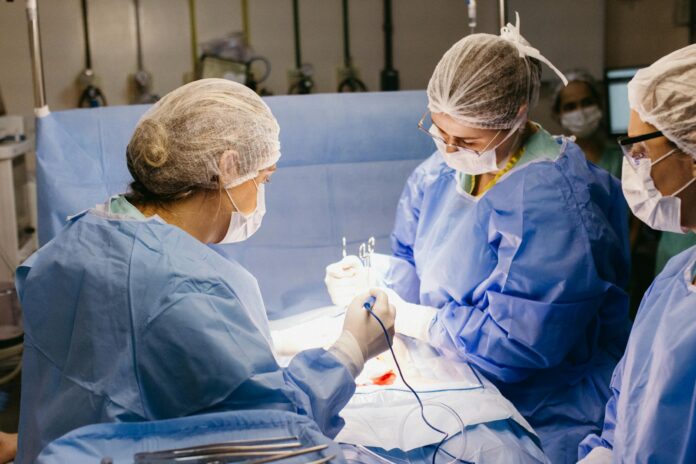
Certain anatomical issues require surgical correction before a patient can achieve a successful pregnancy. Surgeons perform laparoscopy to diagnose and treat endometriosis or remove ovarian cysts. This minimally invasive procedure uses a small camera, allowing doctors to repair damaged pelvic structures. The surgery restores normal anatomy, and it may improve overall reproductive function.
Hysteroscopy is another surgical procedure used in reproductive medicine, during which doctors insert a thin, lighted tube through the cervix to examine the uterine cavity. This technique identifies structural abnormalities such as fibroids or polyps. The surgeon removes these growths during the same procedure. Addressing these uterine issues creates a hospitable environment for embryo implantation, potentially improving the chances of conceiving.
How Is Specialized Care Beneficial?
Navigating reproductive treatments requires the expertise of trained medical specialists. Reproductive specialists can treat complex fertility issues. These professionals use specialized diagnostic equipment, and they interpret the results with clinical precision. This level of care provides patients with valuable diagnoses and evidence-based treatment plans.
Surgical specialists within these clinics possess experience with delicate reproductive tissues, and they utilize state-of-the-art operative tools to minimize trauma during procedures. The specialized training may reduce post-operative recovery times, with patients potentially experiencing fewer complications. Advanced clinical environments provide the necessary infrastructure for these precise surgical interventions.
Book a Consultation Today
Understanding your specific reproductive health requires a comprehensive clinical evaluation. A specialist will review your medical history and recommend appropriate diagnostic testing. You can explore all available medical and surgical options, and the clinical team will develop a personalized protocol. Contact infertility specialists today to schedule your initial consultation.

