
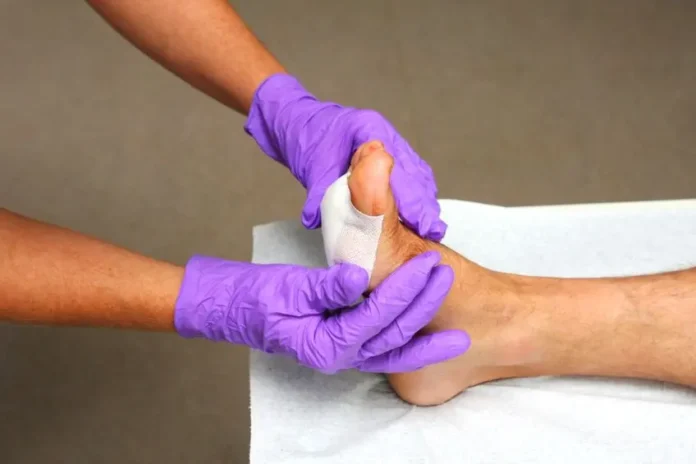
Diabetic wound care involves the specialized management of sores, cuts, or abrasions for individuals living with diabetes. Because diabetes can interfere with the body’s natural healing processes, even minor scrapes require careful monitoring and immediate attention. Proper wound care is necessary for diabetics to prevent complications, limit the risk of infection, and preserve tissue health. By understanding the types of wounds that commonly occur and maintaining a consistent care routine, individuals can protect their health and address potential issues before they escalate. Here’s information on what you need to know about diabetic wound care:
Diabetic Foot Ulcers
Diabetic foot ulcers are open sores that most frequently develop on the bottom of the feet. These ulcers occur in many diabetic individuals due to a combination of poor circulation, foot deformities, and a loss of sensation known as neuropathy. When neuropathy develops, a person might not feel a blister or minor cut, allowing the injury to worsen unnoticed. Wound care specialists are key doctors for diabetics to visit, as they understand the impacts of diabetes on the body. Wound care doctors can monitor wounds and create personalized management plans.
The Impacts on Circulation
Elevated blood sugar levels can damage blood vessels throughout the body over time, causing them to narrow and stiffen. Damaged blood vessels restrict the flow of oxygen-rich blood to the extremities. When tissues do not receive enough oxygen and key nutrients, they struggle to repair themselves. This restricted circulation is a primary reason why minor injuries on the feet and legs can take longer to heal for someone with diabetes.
The Treatments for Ulcers
The treatment of diabetic foot ulcers focuses on removing pressure from the area, cleaning the wound, and maintaining a healthy environment for tissue repair. Physicians often remove dead tissue to promote healing, and they may apply specialized dressings to protect the affected area. This process, known as debridement, prepares the wound bed for recovery. Healthcare providers also utilize offloading techniques, such as prescribing specialized footwear or casts, to redistribute weight away from the ulcer. Keeping blood sugar levels within a target range is also a key component of the overall treatment plan.
Venous Wounds
Venous wounds, or venous stasis ulcers, occur when the veins in the legs have trouble sending blood back to the heart. When the valves inside these veins become damaged or weak, blood pools in the lower extremities. This pooling increases pressure within the veins, eventually leading to fluid leaking into the surrounding tissue and causing the skin to break down. Venous wounds typically appear on the lower legs, but proper compression therapy can help manage the swelling. Care providers generally use compression bandages or stockings to encourage blood flow back up toward the heart, alongside routine wound cleaning and dressing changes.
Arterial Wounds
Arterial wounds develop when reduced blood flow prevents oxygen and nutrients from reaching tissues effectively. Unlike venous wounds, which stem from pooling blood, arterial wounds are the result of blocked or narrowed arteries. These wounds appear on the toes, feet, or outer ankles and often have a characteristic “punched-out” appearance with well-defined edges.
The skin surrounding an arterial wound may feel cool to the touch and appear pale or shiny. Arterial wounds require immediate medical evaluation, as restricted blood flow can severely delay the natural healing process. Treatments generally focus on restoring blood circulation to the affected limb, which may involve surgical intervention or specific lifestyle modifications.
Contact a Wound Care Specialist
If you notice a sore, cut, or blister that is not healing, seek professional evaluation promptly. Managing diabetic wounds effectively often requires professional guidance to assess your wound and develop an appropriate treatment plan. Contact a wound care specialist today, as they can determine which treatments are most effective for your needs.

