The Role of Electro Shock Therapy in Pain Management
Electro shock therapy is a clinical treatment modality used in podiatry to address chronic foot conditions. Medical professionals use this therapy to stimulate healing in damaged tissues, and it serves as an alternative to invasive surgical procedures. The therapy relies on acoustic waves to initiate biological responses that promote cellular repair. Here is more information on the role of this therapy in pain management:
What Is Electro Shock Therapy?
Electro shock therapy involves the application of acoustic waves to targeted areas of the body. This non-invasive procedure delivers energy directly to painful spots, stimulating the body’s natural healing mechanisms. Clinicians utilize specialized medical equipment to generate these acoustic waves during a standard office visit. The waves penetrate the skin to reach the underlying connective tissues, so the treatment affects the cellular structures involved in tissue repair.
What Does It Treat?
Podiatrists use electro shock therapy to address specific musculoskeletal conditions of the foot and ankle. The treatment addresses plantar fasciitis, and it may provide relief for patients with chronic heel pain. It also treats Morton’s neuromas by targeting the thickened nerve tissue between the toes. Consulting a podiatrist helps determine how this therapy can be applied to each situation.
How Does It Relieve Pain?
The acoustic waves generate microtrauma in the targeted tissues, initiating a localized inflammatory response. This controlled inflammation increases blood flow to the affected area, and the enhanced circulation brings nutrients required for tissue regeneration. The therapy also disrupts pain signals transmitted by nerve endings. The stimulated cellular activity may promote the formation of new blood vessels to support long-term healing.
Improved blood supply facilitates the removal of damaged cells, and it accelerates the delivery of oxygen to repairing tissues. The acoustic energy may also stimulate collagen production, the primary structural protein in tendons and ligaments. Denser collagen fibers improve the structural integrity of the affected foot structures, making the tissue more resilient to future injuries.
What Does the Process Involve?
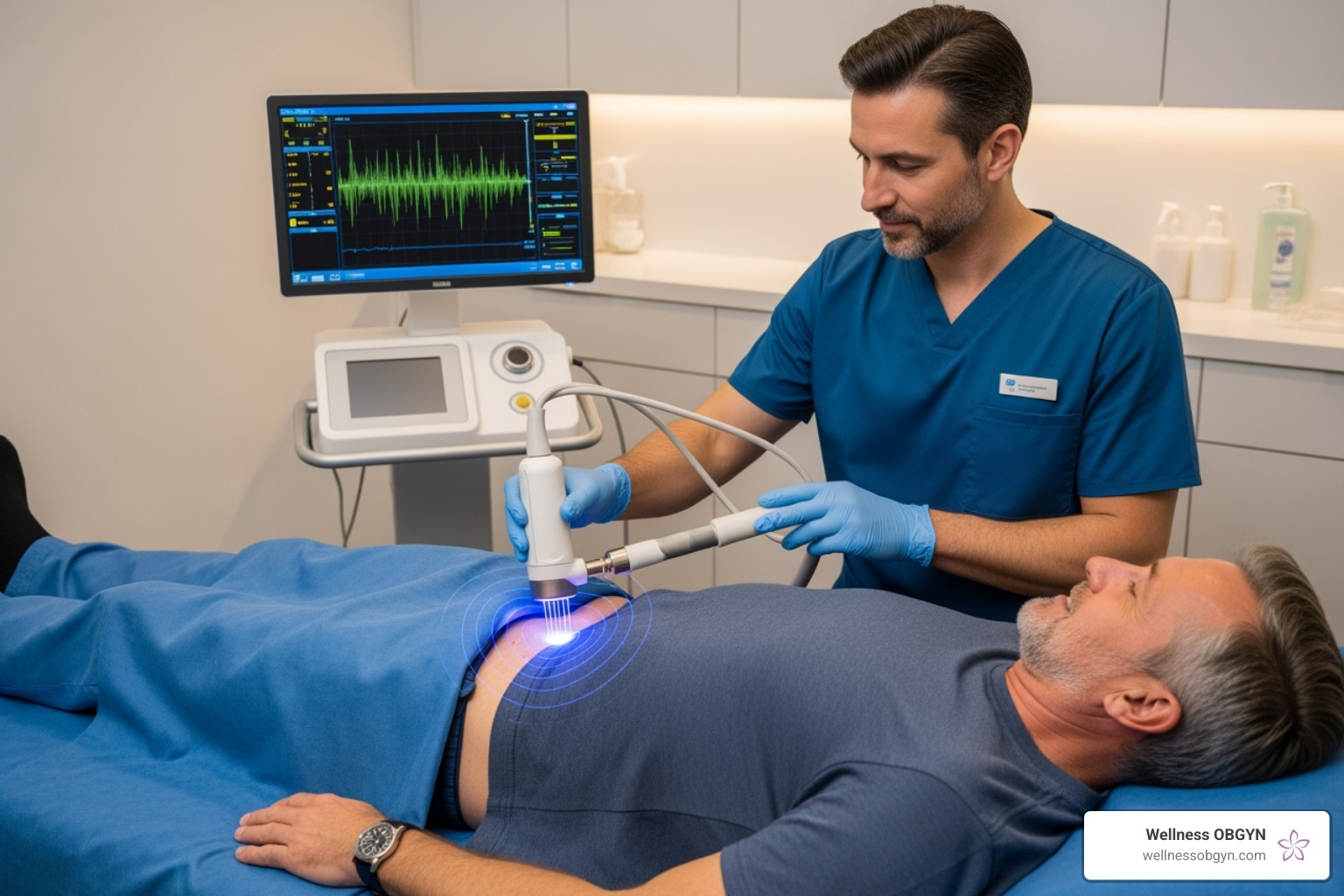
A typical session begins with a physical examination of the foot to pinpoint the exact location of the pain. The podiatrist applies a conductive gel to the skin, and this gel allows acoustic waves to travel efficiently into the tissues. A probe is then placed against the targeted area to deliver the shock waves.
The clinician continuously monitors the patient’s reaction, and the machine settings are adjusted to maintain a tolerable treatment experience. A complete treatment protocol typically involves three distinct sessions spaced roughly one to two weeks apart. The cumulative effect of these repeated sessions maximizes tissue regeneration.
What Are the Benefits?
Patients may choose this treatment because it offers a non-surgical approach to chronic pain management. The therapy requires no anesthesia and involves minimal downtime following a session. Individuals can usually return to their regular daily activities immediately after leaving the clinic. This modality carries a low risk of complications, so it is a first-line treatment for some podiatry patients.
Find Relief Today
Electro shock therapy provides a method for addressing persistent foot conditions like plantar fasciitis and Morton’s neuromas. This non-invasive approach stimulates natural healing processes, and it allows patients to avoid extended recovery times. Individuals suffering from chronic foot pain benefit from discussing this treatment option with a qualified medical professional. Contact a local podiatry clinic to schedule an evaluation.
- How To Choose Between Rural Space And Suburban Convenience When Buying A Parker County, Texas Home
- When a Mobile App Should Take Over the Screen: Full-Screen Overlay UX Practices for 2026
- Before You Fall In Love With A South Florida Waterfront Home: A 2026 Buyer’s Due-Diligence Checklist
- Selling Your House in Franklin, New Hampshire: A Comprehensive 2026 Guide
- How to Reduce Stress When Selling Your Home: A Practical Guide