
The Role of Consistent Well Child Checkups
A well child checkup is a significant part of preventive care, helping healthcare providers monitor a child’s growth, development, and overall health. These visits create regular opportunities to assess physical and behavioral milestones, address concerns early, and provide guidance. Here’s a closer look at the role of consistent child wellness checkups:
Tracking Growth Milestones
Medical professionals use clear protocols to monitor children’s development during routine visits. They assess physical abilities, and they conduct standardized tests to measure cognitive skills. These evaluations are tailored to the child’s age, with doctors tracking key milestones based on clinical guidelines. Here are the main areas of focus during a well child checkup:
- Motor skill evaluations measure muscle coordination and physical strength.
- Language assessments track speech development and vocabulary expansion.
- Social interaction tests observe behavioral responses in clinical settings.
- Cognitive screenings measure problem-solving abilities and processing speed.
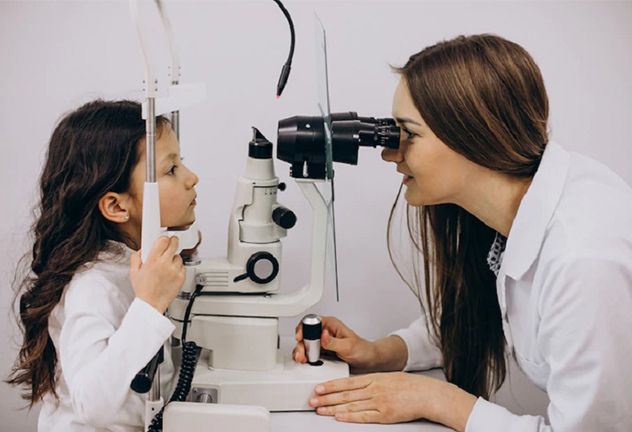
- Sensory examinations assess visual acuity and hearing.
Doctors rely on these specific tests to track a child’s overall development. Medical staff carefully record the results, and they compare them to previous evaluations. If a test shows signs of a developmental delay, they recommend targeted interventions. Detecting issues early allows for timely support, which significantly improves long-term outcomes.
Strengthening Preventive Care
A well child checkup is a fundamental part of preventive pediatric care. During these visits, healthcare providers give necessary immunizations, and they perform routine physical exams. Attending these appointments consistently helps doctors build a complete medical history for the child. This detailed history enables them to identify potential health risks early, even before symptoms appear. Standardized screening protocols also help detect signs of future medical issues, promoting timely intervention if needed.
Preventive care strategies involve various specialized screenings to monitor a child’s overall health. These include vision and hearing tests, as well as laboratory tests analyzing blood samples. Doctors check hemoglobin levels to identify anemia and test lead levels for certain age groups. If results are outside the normal range, physicians create personalized treatment plans. Clinical staff also offer nutritional guidance to support healthy growth and development.
Addressing Questions Early
Well child checkups provide a structured way to address minor health changes. During these visits, physicians take the time to discuss physiological changes, and they also evaluate behavioral observations. While parents monitor daily activities, healthcare professionals offer a fundamental medical context. The following points highlight areas where early clinical guidance proves helpful:
- Sleep pattern disruptions require clinical evaluation to rule out physiological causes.
- Dietary transitions benefit from medical oversight to make sure nutritional requirements are met.
- Behavioral shifts need objective assessment to determine clinical significance.
- Minor skin conditions require medical identification to prevent bacterial infections.
Physicians address these elements to prevent minor issues from developing into complex medical issues. Doctors provide evidence-based recommendations, and they establish clear protocols for symptom management.
Building Continuity of Care
Regular clinical appointments help maintain a complete medical record for each patient. Healthcare providers review this record during every visit to guide their decisions. With a full understanding of a patient’s medical history, doctors can make more accurate diagnoses. This also minimizes the risk of medical errors, and it improves the overall quality of pediatric care.
A unified medical history significantly improves emergency medical responses. During urgent situations, emergency responders can quickly access these records, and they use them to inform significant treatment decisions. Having documented medication allergies helps prevent adverse drug interactions during acute care. Maintaining consistent clinical oversight enables doctors to adjust long-term treatment plans based on past outcomes.
Schedule Your Well Child Checkup Today
A well child checkup is a fundamental approach for monitoring pediatric health and development. Physicians monitor physiological growth, and they administer necessary preventive treatments. When patients maintain regular appointment schedules, doctors establish comprehensive medical records for future reference. Contact a qualified pediatrician near you to schedule your child’s wellness checkup today.
- How To Choose Between Rural Space And Suburban Convenience When Buying A Parker County, Texas Home
- When a Mobile App Should Take Over the Screen: Full-Screen Overlay UX Practices for 2026
- Before You Fall In Love With A South Florida Waterfront Home: A 2026 Buyer’s Due-Diligence Checklist
- Selling Your House in Franklin, New Hampshire: A Comprehensive 2026 Guide
- How to Reduce Stress When Selling Your Home: A Practical Guide