The Role of Proper Footwear in Preventing Hip Pain
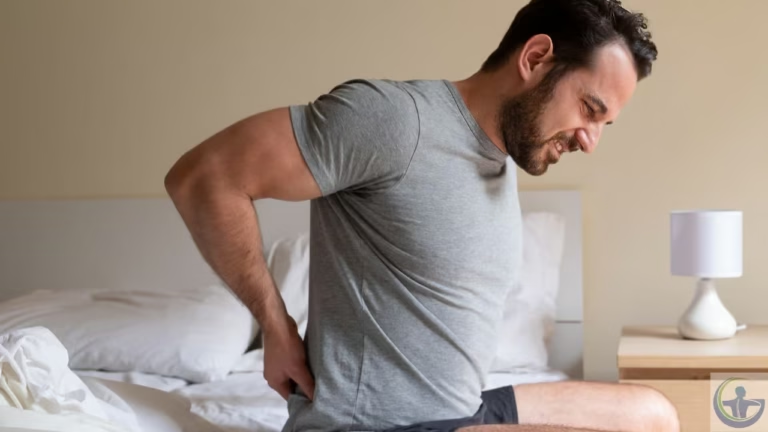
Various medical conditions cause discomfort in the hip joint, and poor alignment may make the issue worse. Your daily footwear choices change your bodily alignment and alter your walking gait. Because a good shoe supports the natural movement of your feet, this support relieves stress on your lower body. Here is more information about choosing footwear that may help alleviate hip pain:
Causes of Hip Pain
Patients experience hip pain for a variety of medical reasons, and joint wear is a primary factor. Osteoarthritis wears down the cartilage inside the joint. When this protective cartilage disappears, the bones rub together painfully. Bursitis is another common cause, and it creates severe inflammation in the fluid-filled sacs near the bone.
Since these conditions irritate the joint, they produce noticeable symptoms. Other signs accompany the primary ache in your lower body. Patients report joint stiffness, and they experience a reduced range of motion. If the joint remains inflamed, walking becomes a difficult task.
Common symptoms include the following:
- Tenderness in the upper thigh
- Swelling over the joint area
- Worsening aches after prolonged sitting
Benefits of Moderate Cushioning
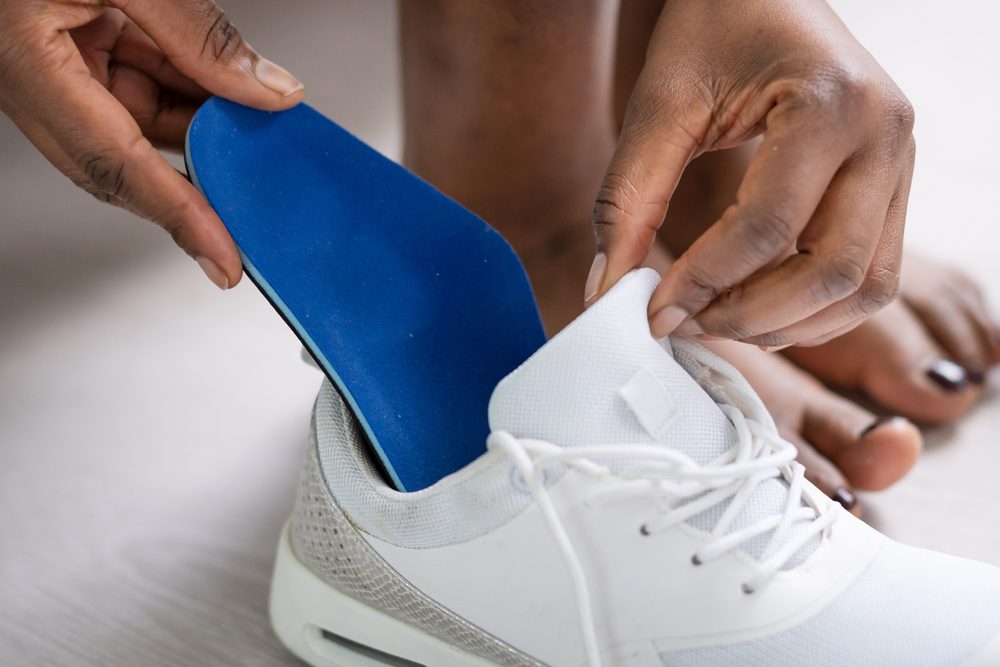
Although barefoot walking feels natural, hard surfaces may jar the skeletal system and exacerbate existing pain symptoms. Shoes with moderate cushioning absorb the shock of your footsteps. The foam base reduces the force traveling up your legs, and this reduction protects your hip joints. A shoe that is overly cushioned may cause you to take unnaturally long strides, which affects your gait.
Proper shock absorption keeps the cartilage healthy, and it can prevent bone bruising. A shoe that has enough cushion to absorb shock but still lets you feel the ground beneath your feet is an effective choice. The padding acts as a buffer between your body and the ground. Because the shoe takes the brunt of the impact force, your joints are protected and cushioned.
Stability and Smooth Transitions
Because an unstable shoe forces your muscles to overwork, a stable midsole prevents excessive strain. Firm midsoles hold the foot in a neutral position. The shoe stops the foot from rolling inward, and this alignment keeps the leg straight. A straight leg reduces torque on the pelvis.
A smooth heel-to-toe transition guides the foot naturally through each step. The curved sole mimics the natural rolling motion of the foot, so your body expends less energy. When the shoe facilitates a fluid stride, your hips avoid jerky movements. Walking becomes a more relaxed movement.
Lightweight Materials and Roomy Fit
Heavy shoes drag down your feet, and they force your hip flexors to work harder. Lightweight construction materials reduce the physical burden on your lower body. Since your muscles lift less weight with each step, your joints experience less fatigue. A roomy toe box allows your toes to splay apart naturally, and this wide base can improve your overall balance.
Good balance prevents awkward steps or stumbles, and a stable stance protects your pelvis. Tight shoes restrict your natural foot shape. When your toes have enough room, your whole foot can work to stabilize you as it moves you forward.
Some other ways you can improve your balance include the following:
- Strengthen core muscles: A strong core provides stability and enhances your balance while walking. Incorporating exercises such as planks or yoga into your routine can help build and maintain core strength.
- Engage in balance Training: Activities such as tai chi, balance-focused exercises, or walking on uneven terrain can sharpen your ability to adapt and maintain stability.
- Practice yoga: Yoga is associated with better balance, and the poses provide many opportunities to work on balance-related skills.
Learn More About Hip Pain
Proper footwear plays a role in joint health, and the right shoe makes walking comfortable again. Shoes with moderate cushioning and stable midsoles align your lower body. When you wear lightweight shoes with roomy toe boxes, you protect your body from unnecessary strain. If you want to learn more about hip pain and footwear, consult a healthcare provider near you.
- How To Choose Between Rural Space And Suburban Convenience When Buying A Parker County, Texas Home
- When a Mobile App Should Take Over the Screen: Full-Screen Overlay UX Practices for 2026
- Before You Fall In Love With A South Florida Waterfront Home: A 2026 Buyer’s Due-Diligence Checklist
- Selling Your House in Franklin, New Hampshire: A Comprehensive 2026 Guide
- How to Reduce Stress When Selling Your Home: A Practical Guide