Tips for Finding Relief From Ingrown Toenails
An ingrown toenail occurs when the hard edge or corner of your nail grows directly into the soft flesh of the adjacent skin. This common structural issue most frequently affects the big toe, leading to localized swelling, redness, and general discomfort. The pressure from the nail digging into the skin can make it difficult to wear shoes or walk. Finding relief often involves a combination of straightforward strategies. You can start by trying simple home remedies to manage the irritation. Over-the-counter options provide an additional layer of support. Many people find success with basic soaking techniques, but persistent issues may require a professional evaluation.
At-Home Solutions for Ingrown Toenail
If you experience early signs of an ingrown toenail, simple habit changes and basic foot care can ease discomfort.
- Warm water soaks: Soaking your foot in warm water for 10 to 20 minutes softens the nail and reduces swelling. You can add Epsom salt to the water. Dry your feet thoroughly after soaking.
- Proper footwear: Tight shoes put unnecessary pressure on your toes, pushing the skin closer to the nail edge. Choose open-toed shoes, sandals, or footwear with a wide toe box until the toe improves.
- Correct trimming: How you cut your nails plays a significant role in foot health. Cut your nails straight across rather than rounding the edges down into the corners. Keeping the nails at a moderate length prevents them from digging into the surrounding skin as they grow.
Over-the-Counter Remedies
Several over-the-counter products at your local pharmacy can help manage tenderness and protect the toenail as it grows out. Nonprescription pain relievers, such as ibuprofen or acetaminophen, may help reduce localized pain and inflammation in the short term; follow the package instructions for dosage. Applying an over-the-counter antibiotic cream or ointment to the affected area can help keep the skin clean and provide a barrier against external elements. After applying a topical ointment, the area should be covered with a fresh, sterile bandage, which should be changed daily. Toe caps, silicone sleeves, or toe shields can provide a physical barrier between your toes and the inside of your shoe. This extra padding helps reduce friction during walking or standing, making daily movement more comfortable.
Professional Medical Help
Home care may be effective for mild cases, but it is not always sufficient. Seek professional medical help if your symptoms worsen or do not improve. Pay close attention to signs of a potential infection, such as severe redness that spreads, a sensation of warmth around the toe, or any pus or fluid draining from the area. It is particularly recommended for individuals with certain pre-existing conditions to bypass home remedies and see a healthcare provider immediately. This includes anyone with diabetes, peripheral neuropathy (nerve damage), or poor blood circulation, as these conditions may increase the risk of complications and affect the body’s ability to heal.
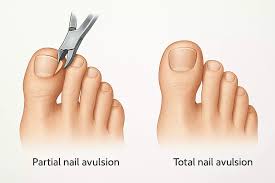
A healthcare provider can offer specific procedures to address the nail directly. They may gently lift the nail and place a small piece of cotton or dental floss under the ingrown edge. This separation encourages the nail to grow above the skin edge instead of into it. In more severe or recurring cases, a doctor might remove a portion of the nail. They will numb the toe with a local anesthetic, and they will carefully cut away the ingrown section. This procedure offers a direct solution to the structural problem.
Talk to a Podiatrist Today
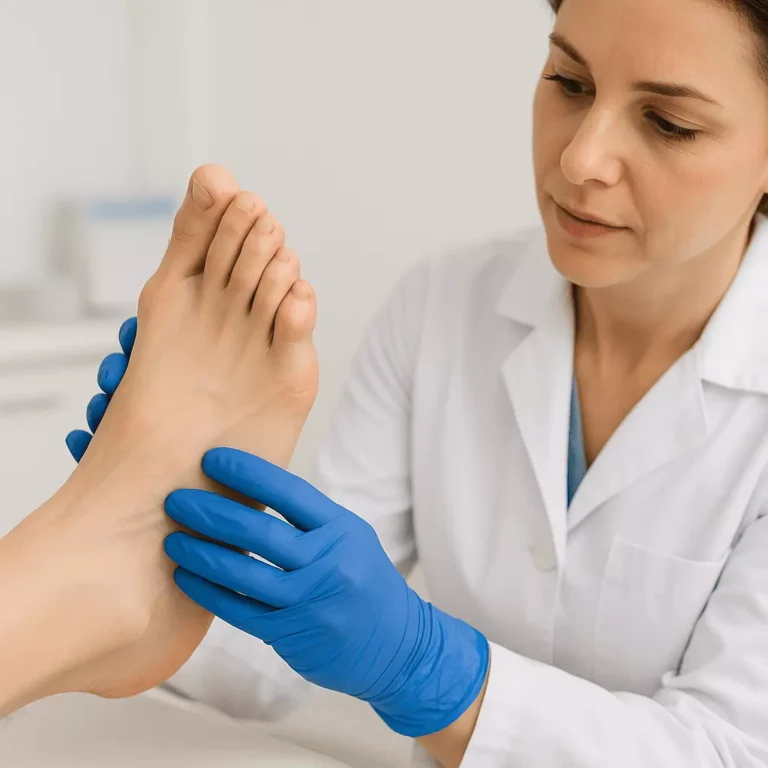
While initial steps at home often provide temporary comfort, ongoing or severe issues require expert attention. A podiatrist specializes in foot and ankle care, and they bring specialized tools and training to your situation. They can assess your specific symptoms and recommend a clear treatment. If you experience repeated ingrown nails, a podiatrist can also discuss long-term preventative strategies to keep your feet healthy. Reach out to a local foot specialist today to discuss your symptoms and get the precise guidance you need.