
Symptoms and Risk Factors of Glaucoma
Glaucoma represents a group of eye conditions that damage the optic nerve. This nerve serves as the communication pathway between the eye and the brain. When pressure builds up inside the eye, it may compress and harm these delicate nerve fibers. This process can lead to vision loss or blindness if left untreated. Many individuals remain completely unaware they have the condition, since early stages frequently present no noticeable physical signs. Learning about the symptoms and risk factors helps people make informed decisions regarding their long-term eye health.
What Is Glaucoma?
The human eye continuously produces a fluid called aqueous humor. In a healthy eye, this fluid drains through a specific area called the drainage angle to maintain stable intraocular pressure. When this drainage system fails to function correctly, the fluid accumulates. This buildup elevates the internal pressure of the eye, which directly impacts the optic nerve. The optic nerve consists of tiny nerve fibers. As these fibers sustain damage, blind spots begin to form in a person’s vision.
There are two primary categories of the condition. Open-angle glaucoma occurs when the eye’s drainage system becomes partially blocked over time. It represents the most common form of the disease. The pressure increases gradually, making it difficult to detect without a professional examination. Acute angle-closure glaucoma develops when the iris completely blocks the drainage angle, which causes a rapid and severe spike in eye pressure. Angle-closure cases require immediate medical attention to prevent permanent vision loss.
What Are the Symptoms?
The physical signs of glaucoma depend entirely on the specific type and stage of the disease. In open-angle glaucoma, patients rarely experience early warning signs. The condition slowly erodes peripheral vision. People typically only notice changes after the disease has advanced significantly, which results in prominent blind spots. Acute angle-closure glaucoma presents a stark contrast, as the symptoms manifest suddenly and aggressively. Individuals may experience severe eye pain, sudden blurred vision, and persistent headaches. Halos or rainbow-colored rings might appear around lights. Physical discomfort can extend beyond the eyes, leading to nausea and vomiting.
Who Is At Risk?
Certain demographic and health factors increase an individual’s likelihood of developing the disease. Age plays a significant role in susceptibility. Individuals over the age of 60 face a much higher probability of diagnosis compared to younger populations. Genetics dictates a substantial portion of the risk profile. Having immediate family members with the condition greatly elevates a person’s chances of experiencing similar optic nerve damage. Race and ethnicity also influence incidence rates, as African Americans over the age of 40 exhibit a higher prevalence of the disease. People of Hispanic and Asian descent also demonstrate increased vulnerability compared to the general population.
Meet With an Optometrist
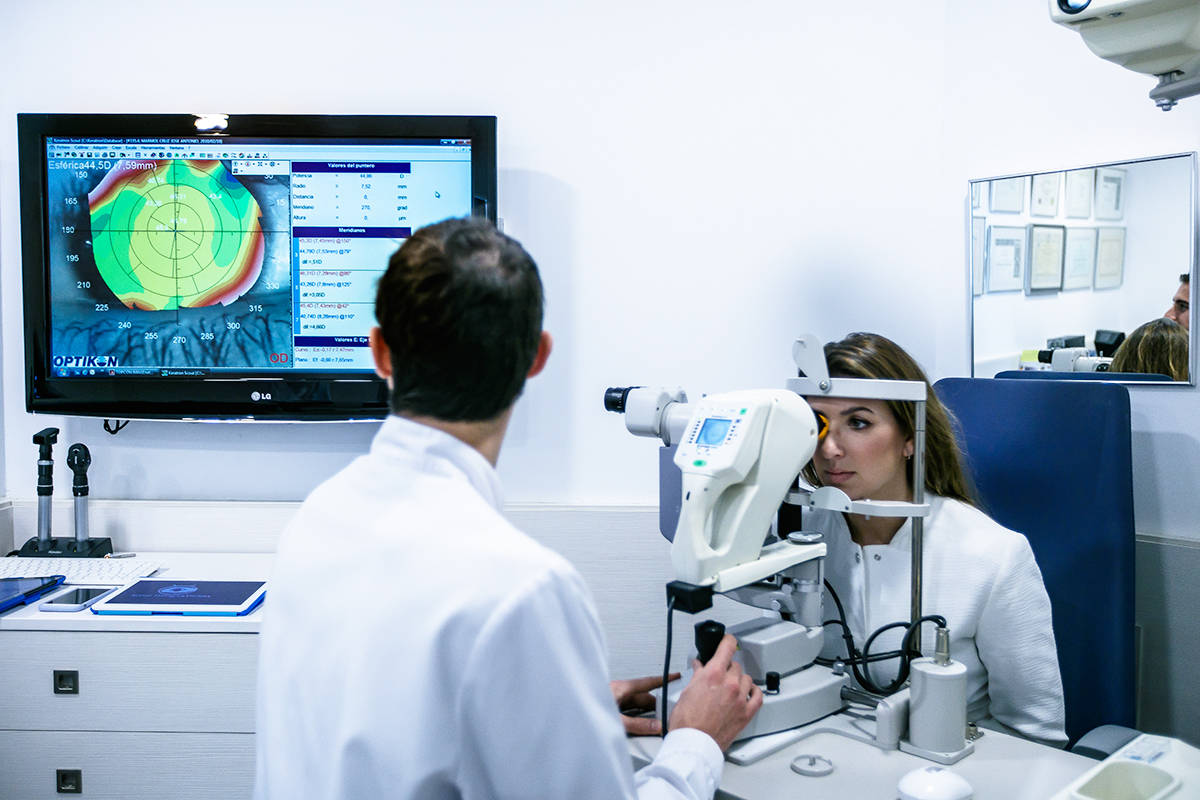
Regular comprehensive eye exams are the definitive method for diagnosing the condition before noticeable vision loss occurs. During a standard visit, an optometrist will measure the intraocular pressure using a procedure called tonometry. Existing optic nerve damage cannot be reversed, but identifying the disease early allows medical professionals to prescribe treatments that stabilize eye pressure.
- How To Choose Between Rural Space And Suburban Convenience When Buying A Parker County, Texas Home
- When a Mobile App Should Take Over the Screen: Full-Screen Overlay UX Practices for 2026
- Before You Fall In Love With A South Florida Waterfront Home: A 2026 Buyer’s Due-Diligence Checklist
- Selling Your House in Franklin, New Hampshire: A Comprehensive 2026 Guide
- How to Reduce Stress When Selling Your Home: A Practical Guide