
Understanding Cash Home Buying in Detroit, Michigan: A Comprehensive Guide
Detroit, Michigan, stands out in the national conversation surrounding real estate, particularly for its sharply distinct housing market. Over the past decade, the city has seen a dramatic shift in how homes are bought and sold, with cash transactions becoming the norm for many property deals. Whether you’re a homeowner looking for a way to sell my house fast Detroit, MI, or an investor considering your next move, grasping how cash buying operates here is essential for success.
Detroit’s distinctive economic journey, marked by cycles of decline and renewal, has shaped its neighborhoods and real estate markets. The experiences of residents, community development, and local investment behavior have all played a role in creating a market that leans toward cash-based transactions. For potential buyers and sellers, grasping this context is essential for making informed decisions in the Motor City.
Alongside revitalization and ongoing demand, Detroit’s property market continues to attract investors and new homeowners eager to take advantage of competitive pricing and local opportunities. Gaining a deeper understanding of the cash-buying trend gives you a strategic edge, especially as market conditions evolve and new programs aim to level the playing field for traditional buyers.
For those beyond Detroit but still interested in Michigan’s overall property market, there are opportunities with services like We Buy Homes Michigan, which further illustrates the broad scope of cash buying in the state.
Overview of Detroit’s Real Estate Market
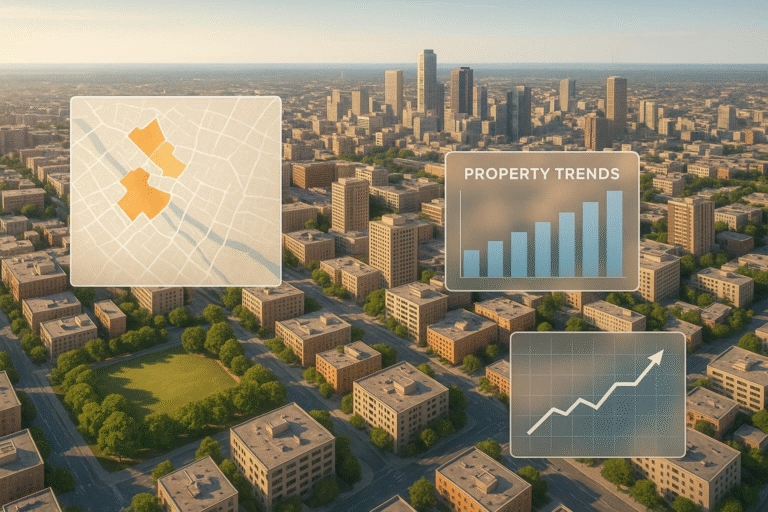
Detroit’s housing market is unlike most in the United States. After years of decline, the city has rebounded, attracting new residents and investors eager for affordable, value-packed real estate. Median sale prices have surged recently, making Detroit a focal point for those hoping to capitalize on the city’s comeback story. Factors such as limited inventory, renewed economic development, and large-scale revitalization projects have contributed to a climate in which demand consistently outpaces supply.
Neighborhoods like Corktown, Midtown, and Brush Park have become emblematic of Detroit’s resurgence, offering historic homes, modern condos, and new commercial developments. This upswing in demand, combined with property prices that are more affordable than in other metro areas, has reshaped the city’s real estate landscape, favoring those with ready cash who can act quickly on available opportunities.
Rise of Cash Transactions
Unlike many large U.S. cities, Detroit’s housing market continues to see a remarkable proportion of sales conducted entirely in cash. A study by ATTOM Data Solutions revealed that in the first half of 2018, about 87 percent of single-family homes and condominiums were purchased without financing, dwarfing the national average of 28 percent for the same period. Factors fueling this trend include persistent affordability, buyers eager to shortcut mortgage complexities, and the presence of out-of-state and international investors. Cash transactions allow for quicker, more flexible negotiations, where properties can change hands in weeks rather than months.
This environment emphasizes speed and liquidity, making Detroit uniquely accessible to those who can mobilize funds quickly. While mortgage-backed purchases are gaining traction amid rising prices, cash remains king among buyers seeking reliable, efficient processes free of traditional lending obstacles.
Benefits of Cash Buying
- Faster Closings: Cash deals move rapidly since buyers do not have to wait for lender approvals or mortgage underwriting. Once terms are agreed, closings can occur in as little as a week, which is highly appealing for both parties.
- Increased Negotiation Power: In competitive neighborhoods, cash buyers often have the upper hand. Sellers prefer offers with fewer contingencies and less risk, which can lead to negotiated discounts or accepted offers in multiple-bid situations.
- Reduced Risk of a Deal Falling Through: With no financing hiccups to derail a purchase, cash-only deals are less likely to collapse before reaching the finish line.
Challenges in Cash Transactions
- Liquidity Requirements: Not everyone has the financial resources to purchase outright, placing cash-only buying out of reach for many Detroit residents and first-time buyers.
- Limited Financing Options:Committing substantial cash to a single asset can limit the buyer’s investment flexibility, potentially affecting other financial goals or emergency needs.
- Market Competition: An influx of cash buyers can create intense bidding wars, drive up property prices, and make it tougher for conventional buyers to secure homes.
Impact on Sellers
For Detroit homeowners, cash offers hold strong appeal. The speed, simplicity, and reliability of a cash sale can reduce stress and uncertainty, especially in a city known for fluctuating property values. However, an overreliance on investor-driven cash deals can mean sellers face more aggressive negotiation tactics. In highly sought-after areas, increased investor activity also poses the risk of edging out traditional homebuyers who rely on financing, potentially creating affordability gaps and altering the fabric of established communities.
Role of Investors
Investors have a huge influence on Detroit’s real estate dynamics. Motivated by the promise of high returns, they frequently buy homes to renovate and either flip or turn into rental properties. Their efforts often breathe new life into previously neglected blocks. Yet this wave of investment may also accelerate gentrification and disrupt affordability for long-term residents, raising important questions about balancing neighborhood revitalization with the needs of Detroiters who live in these communities.
Future Outlook
As Detroit’s real estate market continues its upward trajectory, an evolving landscape will shape the balance between cash and financed purchases. Efforts to introduce down payment assistance and government-backed mortgage programsare underway to empower more traditional buyers and ensure a diverse mix of residents across neighborhoods. This could gradually reduce the dominance of investor cash deals, providing greater access to homeownership for Detroit families.
Conclusion
Detroit’s transition to a cash-based real estate market has defined its market in recent years, but ongoing economic development and new buyer assistance initiatives may shift the trend in the near future. Navigating this environment requires awareness of both the advantages and challenges, whether you are buying, selling, or investing. Staying informed about Detroit’s unique home-buying climate will give you the best opportunity to secure and grow your investment in Michigan’s most iconic city.
- When a Mobile App Should Take Over the Screen: Full-Screen Overlay UX Practices for 2026
- Before You Fall In Love With A South Florida Waterfront Home: A 2026 Buyer’s Due-Diligence Checklist
- Selling Your House in Franklin, New Hampshire: A Comprehensive 2026 Guide
- How to Reduce Stress When Selling Your Home: A Practical Guide
- Top 5 Water Treatment Companies in Delaware for 2026