
Home Blog Page 32

A Guide for Botox Dos and Don’ts

0

Botox provides medical relief for some patients. People use injectables for various reasons, and they seek reliable information. When you prepare for your visit, you must follow specific rules. The process requires careful attention and medical supervision.

Preparations for Injectables

Doctors review your medical history first. You should disclose all medications, but you must avoid specific blood thinners. If you take medication, consult your provider beforehand. Mention any allergies, previous reactions to injectables, and chronic health issues to your provider. Bring a list of your medications, as some may interfere with Botox healing or the treatment. Inform your provider of any neurological or muscular disorders, for these affect procedure safety and strategy. Hydration supports your overall health. You should drink water, and you must avoid alcohol before appointments. If unsure about medications or supplements, bring the packaging so your provider can review them. Skin care matters before your appointment. You should clean your face and remove all makeup. If you develop a skin condition or infection, notify your provider. Consultations set the correct expectations.

Solutions for Conditions

Providers can inject Botox for neck spasms, and they use it for excessive sweating. Botox targets various medical issues. Chronic migraines disrupt routines, so patients get injections to reduce headache frequency. Candidates for treatment often have conditions that have not responded to other therapies. The procedure is customizable; your provider determines where to inject and how much. The medication balances the eye muscles and stops unwanted twitching. Although it treats bladder problems, doctors must evaluate your symptoms, and they decide the exact dosage. A thorough assessment of your symptoms, health history, and medication responses helps providers create an individual treatment plan. During the procedure, the provider uses different techniques based on the treatment area and symptom severity. Providers administer the medication, and they track your progress over time. Consistency with appointments can help you maintain benefits and manage recurring symptoms.

Guidelines for Aftercare

Patients need proper rest after injections. You must avoid strenuous exercise and stay upright. Since the medication needs time to work, you must not rub the area. Wait at least four hours before lying down, and avoid touching your face unnecessarily. Sleeping on your back for the first night can help minimize pressure on treated areas. Aftercare aids proper physical recovery.

If you notice any unusual symptoms, contact your clinic so the staff can assist you immediately. Providers monitor your healing process, and they schedule follow-up visits. Follow your provider’s recommendations for minor discomfort, such as gentle cold compresses to reduce swelling. Avoid creams or makeup on the treated area. Sun exposure requires careful management. You must avoid direct heat, and you should wear sunscreen outdoors. UV rays damage skin, so you need protection for the treated area. Avoid tanning beds, hot tubs, and saunas after your procedure. Patience remains necessary during recovery.

Book Botox Today

Proper knowledge improves your treatment experience. You must understand the process, and ask questions. Because medical guidance is necessary, schedule an appointment. Your health remains the top priority. You must follow the instructions, and report any changes. If you need more information, call the office, and the team will help.

The Benefits of Choosing a Local Dentist for Personalized Care

0

Choosing the right dentist is an important decision that will significantly influence both oral health and overall patient experience. Opting for a local dentist offers distinct advantages, particularly in terms of accessibility, continuity of care, and personalized treatment. By building a closer patient-provider relationship, a local dentist can better understand individual needs and deliver tailored solutions that support long-term dental health.

Easier Access and Convenience

Choosing a local dentist makes scheduling much smoother. You won’t have a long commute, so you can fit visits into your lunch break. Local clinics often have flexible hours that fit the schedules of nearby residents. This convenience helps you stick to routine checkups and maintain your oral health.

Emergencies happen unexpectedly, so having a nearby dentist is necessary. If you break a tooth or have sudden pain, a local provider can often see you quickly. This avoids the stress of a long drive while in discomfort. Routine visits are also less of a burden when the office is nearby.

Personalized Attention and Patient-Centered Care

A local dentist builds long-term relationships and doesn’t rush through appointments. They learn your name, remember past visits, and understand your dental history. This personalized approach fosters trust and creates a welcoming environment. You’ll feel more comfortable discussing sensitive issues, so your dentist can offer targeted advice.

Patient-centered care is key, and your local specialist will explain treatments clearly. They will use simple terms and note your preferences for appointment times and comfort measures. Since community practices rely on their reputation, they ensure you receive dedicated attention that larger clinics may not provide.

Consistent Monitoring and Preventive Care

Preventive care needs consistent monitoring to be effective. When your dentist is nearby, biannual cleanings become a simple errand. You can stay on track with your schedule, helping staff catch issues early. This regular observation allows your provider to create a proactive oral hygiene plan. A local dentist also keeps detailed records of your dental changes and notices subtle shifts in your gum health or enamel wear. This helps them adjust your care plan if a negative trend develops.

Education is also massive for maintaining your oral health and smile between visits. Your local dentist will provide productive tips for brushing and flossing at home. They can recommend specific products from your local pharmacy. This continuous dialogue helps make sure you practice the safest and most effective habits.

Continuity of Family Care

A local family dentist can treat everyone, from toddlers to seniors, under one roof. Managing your family’s healthcare is easier when you are able to consolidate visits and simplify medical records. You can even book overlapping appointments for parents and children. This saves time and makes scheduling much more efficient. A single dentist treating your whole family will sometimes spot genetic patterns, such as bite alignment issues, and intervene early with effective treatments.

Building a long-term relationship with a local clinic creates a comforting environment for children. They see the same friendly faces at each visit, which helps prevent dental phobias. The staff learns how to interact with each child, keeping them calm and building trust. As your kids grow, they will already have a reliable oral care specialist, which helps establish consistent, personalized treatment for the entire family.

Book Your Dentist Appointment Today

Choosing a local clinic transforms your routine checkups into a seamless experience. You benefit from easier access, personalized treatment, and a consistent approach to preventive care. A local dentist understands your family dynamics, and they actively work to support your long-term goals. Making this switch is a fundamental step toward achieving a healthy, confident smile. Begin your evaluation or treatment by contacting a dentist in your city and booking an appointment for comprehensive care, as they use modern equipment and technology to provide effective, reliable treatments.

Benefits of Working With a Child Psychiatrist

0

A child psychiatrist is a medical doctor who specializes in the evaluation, diagnosis, and management of mental health conditions in children and adolescents. These professionals complete extensive medical training. This training allows them to understand the complex relationship between physical illnesses and mental health during key developmental stages. By combining medical knowledge with an understanding of psychological development, they offer specialized guidance to young patients facing behavioral, emotional, or social challenges. Child psychiatrists evaluate behavioral concerns, and they work closely with families to develop practical care plans. This collaborative approach helps both the child and their caregivers receive the support necessary to navigate mental health challenges effectively.

Early Detection and Diagnosis

Identifying mental health or developmental differences early in a child’s life provides a foundation for effective management. Children often express distress differently than adults, making it difficult to distinguish between developmental phases and underlying mental health conditions. A child psychiatrist possesses the clinical training to recognize these subtle distinctions, and this expertise allows them to accurately identify conditions.

Working with a specialist during the early stages of a suspected behavioral issue offers several direct advantages:

  • Accurate assessment: Psychiatrists use standardized evaluations to pinpoint specific cognitive, emotional, or behavioral conditions.
  • Developmental context: They assess symptoms relative to the child’s specific age and developmental milestones.
  • Preventative strategies: Early identification allows families to implement supportive strategies before challenges escalate.

These specialists identify specific mental health conditions early, and they provide ongoing monitoring as your child grows. This proactive timeline equips families with the tools to support their child’s development from the start.

Comprehensive Care for Complex Issues

Many children experience overlapping challenges that require a multifaceted approach to care. A child psychiatrist looks at the full picture, including biological, psychological, and social factors. They are medical doctors, and they can safely prescribe and monitor medications when necessary, while also recommending behavioral interventions and therapies.

This comprehensive approach extends beyond the clinic. Child psychiatrists frequently collaborate with other professionals in a child’s life to have consistency in care. They often consult with pediatricians, school counselors, psychologists, and speech-language pathologists. Families receive actionable guidance for daily routines, and children learn structured techniques to navigate their environments. By addressing complex issues from multiple angles, the psychiatrist creates a cohesive management plan. This plan supports the child at home, in the classroom, and in social settings.

Improved Long-Term Outcomes

The strategies and management plans developed with a child psychiatrist aim to build resilience and functional skills over time; consistent mental health support during childhood often translates to better adaptability as the child transitions into adolescence and adulthood. Long-term management focuses on equipping the child with self-regulation skills and coping mechanisms. Through regular check-ins and treatment adjustments, a child psychiatrist helps the child understand their own behavioral patterns. This sustained professional relationship provides a stable resource as academic and social demands increase. By establishing a solid framework for mental health care early in life, children are better positioned to manage future stressors, maintain social relationships, and achieve their educational goals.

Talk to a Child Psychiatrist Today

If you notice persistent changes in your child’s behavior, mood, or academic performance, scheduling an evaluation is a practical first step. You do not need to wait for a crisis to seek professional guidance. A consultation provides a structured environment to ask questions and gather objective information about your child’s developmental progress. Reach out to your primary care pediatrician for a referral, or contact a local mental health clinic to connect with a qualified child psychiatrist. Establishing this professional partnership early gives you the resources and understanding needed to support your child’s ongoing well-being.

The Role of Midwives vs. OBGYNs

0

Choosing the right healthcare provider for your pregnancy is a significant decision. A midwife is a trained healthcare professional who provides comprehensive care for women during pregnancy, labor, and the postpartum period. Their primary role is to support the natural physiological process of childbirth while offering holistic, individualized care. An obstetrician-gynecologist (OBGYN) is a medical doctor who specializes in women’s reproductive health, and they manage complex medical situations. Both of these professionals play key roles in supporting maternal health. Their training, care philosophies, and clinical scope of practice differ significantly. Understanding these distinctions is a helpful first step in planning your prenatal care and delivery.

Key Differences

Understanding the distinctions between these two providers helps you make informed decisions about your care. The primary differences lie in their education, approach to childbirth, and clinical capabilities.

  • Training and Education: Midwives typically hold advanced degrees in nursing or midwifery, with a on normal maternity care. An OBGYN completes medical school followed by a specialized, multi-year residency in obstetrics and gynecology.
  • Scope of Practice: Midwives provide care for low-risk pregnancies and standard deliveries. OBGYNs perform surgeries, and they manage high-risk pregnancies that require advanced medical intervention.
  • Care Philosophy: Midwives often emphasize a physiological approach to birth with minimal medical intervention. They tend to spend more time during prenatal visits discussing nutrition, emotional well-being, and coping techniques. OBGYNs are trained to identify and treat medical complications, utilizing technology and surgical methods when necessary.
  • Birth Settings: Midwives may attend births at hospitals, independent birthing centers, or private homes. OBGYNs primarily deliver babies in hospital settings equipped for immediate medical emergencies.

Midwife Care

Selecting a midwife is a suitable option for many women seeking a specific type of birth experience. You might choose a midwife if you are experiencing a low-risk pregnancy in which no medical complications are anticipated. Many women choose midwives because they desire a birth experience with minimal medical interventions, and they want to avoid procedures such as epidurals or continuous electronic fetal monitoring.

Midwives provide continuous physical support during active labor; they also offer routine gynecological care, family planning services, and comprehensive postpartum support. If you prefer a birthing center or a home birth, a midwife is the appropriate professional to safely guide that process. They focus heavily on education. Midwives help you understand the physical changes occurring throughout your pregnancy.

OBGYN Care

Certain circumstances necessitate the specialized medical care that an OBGYN provides. Choose an OBGYN if your pregnancy is high-risk due to pre-existing conditions like high blood pressure, diabetes, or autoimmune disorders. Women expecting twins or higher-order multiples also require the specialized expertise of an obstetrician. If you plan to have a cesarean section or have had one previously, an OBGYN is required to perform this surgical procedure. Some women prefer a traditional hospital setting, and they prefer to have a doctor managing their care. An OBGYN is equipped to handle sudden emergencies, providing immediate access to life-saving medical technology and surgical interventions.

Ask an OBGYN Today

Deciding between a midwife and an OBGYN is a personal choice based entirely on your health history and individual preferences, and both providers offer valuable support throughout pregnancy and childbirth. To determine the most appropriate path for your specific situation, discuss your options with a qualified healthcare professional. Schedule an appointment to evaluate your medical background, current health status, and outline your birth preferences. Ask an OBGYN today about the most appropriate care plan to support a healthy and structured pregnancy.

Understanding Flu Complications in Children

0

The flu is a common viral illness in children, but its effects sometimes extend beyond mild, short-term symptoms. In certain cases, the flu sometimes leads to complications that affect a child’s respiratory system, immune response, and overall health. Early recognition and appropriate medical care are key to reducing risks and ensuring a full recovery.

Common Flu Symptoms To Watch

Recognizing the early signs of influenza helps you respond promptly. Kids often develop a sudden high fever, chills, and muscle aches. They may also experience profound fatigue, which sometimes keeps them in bed all day. Parents usually notice these symptoms appear much faster than a common cold. The flu also brings localized issues like a chronic cough or sore throat, and your child might lose their appetite or complain of a headache.

Rest and hydration are key for managing the early stages of the flu. You can use over-the-counter fever reducers to keep your child comfortable. It’s also necessary to offer plenty of clear fluids to prevent dehydration. If you ever feel unsure about your child’s progress, a pediatrician can provide comprehensive guidance and support.

Potential Complications of the Flu

While most children recover from the flu without issues, some may develop secondary health problems. The virus can weaken their immune system, making them more vulnerable to other germs. Ear infections are common and sometimes develop when congestion blocks the nasal passages. Sinus infections are another common complication in which the nasal cavities become inflamed. Pneumonia is a more serious issue that affects the lungs and makes breathing difficult, so it requires immediate medical care.

Children with existing health conditions, like asthma, face a higher risk of severe complications. Their asthma symptoms may worsen during a respiratory infection, and severe dehydration can occur if they refuse fluids. It’s necessary to monitor their recovery closely and act quickly if their health starts to decline.

Warning Signs Requiring Medical Attention

Knowing when to seek emergency care can provide significant peace of mind. A child struggling to breathe needs immediate evaluation. You might notice their chest pulling inward or their lips looking bluish. These cues indicate a lack of oxygen, so don’t ignore them. Severe dehydration also requires urgent medical support, and look out for extreme lethargy. If your child will not wake up or interact, contact emergency services right away.

Fever patterns can also signal a complication requiring a doctor’s visit. A fever that returns with a worse cough warrants a medical exam. Your child might complain of severe muscle pain or chest pain, and these symptoms should prompt a trip to the clinic.

Prevention Strategies to Protect Children

Keeping your family healthy starts with proactive daily habits. Teach your kids to wash their hands thoroughly with soap and water for at least twenty seconds. This simple step can reduce the spread of contagious respiratory infections. Routine vaccination also provides a fundamental layer of defense against influenza A and B. Health professionals offer seasonal shots to children six months and older as a preventive measure to reduce the severity of illness if a child contracts the virus.

Maintaining a clean home environment also limits exposure to lingering germs. You should wipe down frequently touched surfaces like doorknobs and light switches. Also, make sure your child gets plenty of sleep and eats a balanced diet to support their immune system.

Schedule Your Flu Consultation Now

Navigating illness sometimes feels daunting, but professional help and support make it easier and more effective. Now that you recognize the signs of flu complications in children, monitoring symptoms closely allows you to seek care before minor issues become major problems. When you notice your kids have a common cold or seasonal flu, and you see warning signs or feel concerned about their recovery, book a consultation with a pediatrician for a thorough assessment and comprehensive care.

The Impact of Cosmetic Dentistry on Your Oral Health

0

Cosmetic dentistry is often associated with enhancing the appearance of a smile, but its benefits extend beyond aesthetics to support overall oral health. Through a range of advanced procedures, cosmetic dentistry can address structural issues, improve alignment, and enhance dental function. By combining visual improvements with restorative techniques, these treatments can promote healthier teeth and gums while boosting patient confidence.

Enhancing Dental Function and Alignment

When your teeth overlap, it’s harder to keep your mouth clean. Food particles get trapped in tight spaces, creating a place for plaque to grow. Cosmetic dentistry, such as clear aligners or veneers, helps create a more even surface, so you can brush and floss more easily without snags. Misaligned teeth also cause uneven wear on your enamel, as some teeth take more pressure when you chew.

An aesthetic dentistry plan corrects these alignment problems. It distributes your bite force evenly across your jaw, protecting your teeth from early damage and relieving strain on your jaw muscles. Treating alignment issues early will help you avoid more complex procedures later on.

Promoting Better Oral Hygiene Habits

When you invest in your oral health, you’ll feel healthier since it contributes to your overall well-being. After cosmetic treatments, people often improve their brushing and flossing. You spend time and money to get a certain look, so you want to protect it. This mental shift is key to a clean mouth and encourages consistent habits.

A straight, bright smile makes it easier to spot minor changes or new stains. You can catch problems early and schedule a dental visit right away. A smooth, even dental surface also makes daily hygiene more effective. It’s much easier to remove plaque from well-spaced teeth than crowded ones. Regular professional cleanings will complement your home care and help keep your teeth healthy.

Restoring Damaged or Missing Teeth

An untreated damaged tooth can cause widespread dental issues. Cosmetic dentistry offers effective ways to fix broken or decayed teeth. Dental crowns cover a compromised tooth, restoring its shape and strength. This protects the tooth’s interior and lets you chew comfortably.

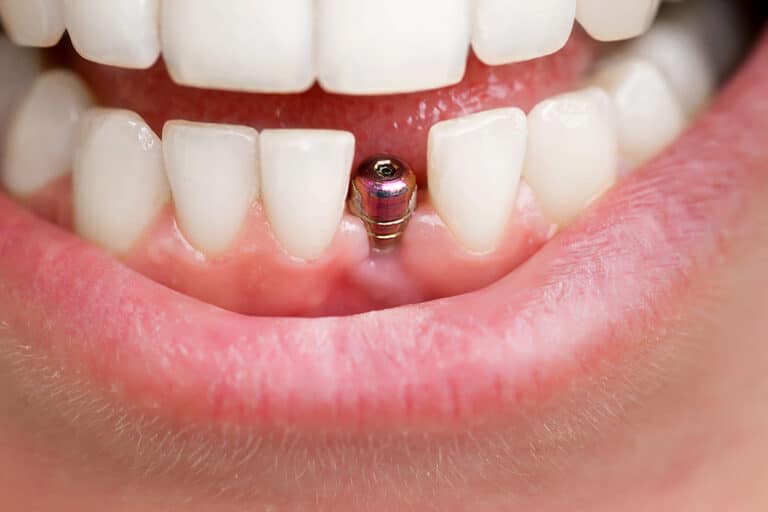
Missing teeth pose another challenge to your oral hygiene. An empty gap causes surrounding teeth to shift out of place. This movement alters your bite and can change your jaw’s shape. Treatments like dental implants or bridges fill these gaps perfectly while preventing neighboring teeth from drifting.

Preventing Future Oral Health Issues

Proactive dental care yields better results than reactive treatments. Cosmetic dentistry acts as a preventative measure. It resolves minor structural defects before they worsen. A small chip might seem harmless, but it can harbor bacteria and cause deep decay. Sealing that chip with dental bonding blocks bacteria from entering, and this simple step preserves the health of the entire tooth.

Healthy enamel is your first line of defense against cavities. Dental beauty treatments often strengthen or protect this outer layer. For instance, porcelain veneers cover the front surface of a tooth, shielding it from wear. You can enjoy daily meals without discomfort, and also rest easy knowing your teeth are protected.

Schedule Your Cosmetic Dentistry Consultation

The connection between a beautiful smile and a healthy mouth is undeniable. Choosing to undergo cosmetic dental treatments allows you to enhance your appearance while protecting your teeth’s health. You can fix structural damage, improve your daily hygiene habits, and prevent future complications all at once. If you feel some dental discomfort, seeking professional support is the most appropriate step. Book a consultation with an experienced cosmetic dentist for a comprehensive evaluation and a productive treatment plan designed to restore your dental function and smile.