
Home Blog Page 31

Understanding the Benefits of Telehealth Appointments

0

Telehealth has transformed the delivery of healthcare by enabling patients to access medical services remotely with greater convenience and efficiency. Through virtual consultations, telehealth reduces barriers such as travel time, scheduling challenges, and limited access to specialists, while maintaining high standards of care. This approach supports timely medical attention, ongoing monitoring, and improved patient engagement across a wide range of conditions.

Convenient Accessible Patient Care

Scheduling an in-person visit often requires significant planning. Telehealth lets you connect with your provider from anywhere with a stable internet connection. You can join your virtual visit from your living room or take the call during your lunch break. This flexibility makes it much easier to fit check-ins into your busy schedule. Remote consultations also remove the need to travel or sit in waiting rooms.

Contemplate how this convenience impacts your willingness to seek care. You are more likely to follow through with check-ups when the process is simple. Virtual platforms usually offer user-friendly interfaces to guide you. You simply log in at your scheduled time, and your provider then meets you in a secure digital room.

Faster Access to Medical Care

Waiting weeks or months for an appointment can be stressful. Digital health services often have shorter wait times than traditional offices. You can often get a virtual appointment in a few days, and some platforms even offer same-day slots. This prompt guidance helps you address concerns before they escalate.

Quick access is necessary for routine needs like prescription refills or follow-ups. You don’t have to disrupt your whole day for a short talk with your doctor. Online consultations offer a direct line to your provider for these simple needs. You get the necessary instructions quickly, so you can continue your day without interruption.

Cost-Effective Healthcare Solution

Healthcare expenses go beyond the cost of your medical visit. Commuting to a clinic costs money for gas, public transit, or parking, but telehealth eliminates these travel expenses. Taking time off work for an appointment can also mean lost wages. With an e-health visit, you can complete your appointment quickly and return to work right after.

Many insurance providers now cover virtual clinic services. You should check if your plan includes these remote options before booking. When covered, the copay for a virtual visit is often similar to or lower than that for a traditional appointment. This makes routine care both productive and affordable for patients.

Continuous Care and Disease Management

Managing a long-term condition requires consistent communication with your healthcare team, and telemedicine offers an effective way to maintain that relationship. You can schedule regular virtual check-ins to discuss your progress. This allows your doctor to adjust your care plan as needed and helps you stay on track. Consistent tracking is necessary for chronic conditions like hypertension or diabetes. Remote healthcare lets providers review your home-monitored data without an office visit.

This continuous communication loop helps prevent missed follow-ups, so you avoid gaps in care when life gets busy. Building a solid rapport with your doctor over time leads to more personalized guidance. You feel more supported in your health treatment and recovery, and your provider gains a clearer understanding of your well-being.

Schedule Your Telehealth Appointment Today

Embracing telehealth provides a practical, efficient path to managing your wellness. Virtual healthcare creates a supportive environment that values both your time and your personal comfort. It is highly helpful to contemplate how these remote services can fit into your routine. Consult with your provider to discuss your telehealth options to discover how productive a virtual clinic visit can be. Begin leveraging a remote patient consultation, and you will actively streamline your approach to self-care. Book your online doctor consultation today to experience these benefits firsthand.

Key Questions to Ask When Finding a Hair Transplant Clinic

0

A hair transplant is a standard surgical procedure, and it addresses balding on the scalp. When you begin evaluating different medical providers, you must ask specific questions about their practices. You need accurate medical facts, and trained surgeons provide them. Here are some key questions to ask when evaluating hair transplant clinics:

Which Method Do You Recommend?

Many clinics use different surgical methods, and doctors explain these medical options during the consultation. Follicular unit extraction (FUE) removes individual hair follicles directly from the back of the scalp. Because follicular unit transplantation (FUT) involves removing a continuous strip of skin, it requires a different surgical approach. A surgeon evaluates your scalp.

If you ask about these techniques, doctors share the technical details of the surgery. FUE requires shaving the donor area, but FUT leaves a linear mark on the head. Both medical approaches relocate hair follicles to thinner areas. The doctor selects a suitable technique.

Any Before-and-after Photos?

Clinics maintain detailed patient records, and they share hair transplant results during your visit. When you view these pictures, you assess the medical staff’s past work. Request visual examples, such as these items:

  • Front hairline additions
  • Crown density alterations
  • Donor area recovery
  • Overall scalp coverage

Before committing to a procedure, take the time to review all available examples thoroughly. Clinics may showcase a variety of cases to highlight their expertise and reassure potential patients of quality results. While reviewing these examples, make note of outcomes that align with your desired goals, but remember that il results may vary based on unique circumstances.

Will Scars Be Visible?

Because the surgery cuts into the skin, it naturally leaves a permanent physical mark. FUE creates tiny circular dot marks across the donor area. FUT leaves a single line, but surrounding hair typically covers this area. The surgeon explains the healing timeline.

Ask the surgeon about expected healing times for the donor area. Short haircuts reveal surgical marks, so longer hairstyles effectively hide these areas. As the scalp heals completely, the overall visibility of the marks changes. Proper healing requires following medical instructions.

Surgeons review your specific scalp condition to determine the appropriate follicle extraction method. While some patients prefer FUE, others select FUT for specific medical reasons. You ask for a recommendation, and the surgeon replies with a clinical evaluation. The final choice determines the timeline.

How is it Blended?

Surgeons place the new hair follicles, and they carefully match the existing growth angles. This specific placement technique mixes new grafts with the surrounding original hair. Since hair grows in recognizable patterns, doctors copy natural directions during placement. Proper blending creates an undetectable transition.

  • Using precise placement techniques: Follicles are placed to match the natural growth direction of existing hair.
  • Strategic spacing of grafts: Doctors make sure the density is balanced to blend seamlessly with the surrounding hair.
  • Customizing hairline design: The hairline is carefully planned to look natural and suit the patient’s facial structure.
  • Matching hair characteristics: Attention is given to hair texture, thickness, and color during the transplant process.

Schedule a Hair Transplant

After you gather the necessary medical facts, you make an informed choice. You know the available surgical methods, and you understand the expected physical marks. Contact a clinic today to start your hair restoration process. Take action and begin addressing your hair loss.

The Benefits of Hormone Replacement Therapy for Men

0

Men may notice changes in their bodies and energy as they get older, which is due to declining testosterone levels. Hormone replacement therapy provides a medical approach designed to address this specific hormonal decline. The process involves receiving testosterone via patches, gels, or injections, and doctors keep track of blood levels for safety and effectiveness. Here are some of the benefits of this treatment approach:

Maintains Muscle

Aging leads to natural decreases in muscle mass, affecting how a man looks and feels in daily life. Regular strength or resistance training supports muscle health, while hormone therapy supplies the biological support behind muscle maintenance and repair. Throughout this process, testosterone helps repair tissue following exercise or strain.

Men may struggle to keep up with physical tasks as hormonal levels change, and consistent therapy helps support their physical strength over time. Some find that simple activities, like lifting grocery bags or climbing stairs, are less taxing after their hormone levels are managed. You may find that with a stable dose, it’s easier to participate in exercise and maintain muscle.

Restores Libido

Low testosterone may reduce sexual desire, and that can impact relationships. Decreased intimacy is typical, so doctors check hormone panels to assess potential causes. Some men find that therapy leads to renewed sexual interest and a more active intimate life.

Testosterone directly influences sexual function and desire, and correcting a deficiency addresses both physiology and mood. Hormone replacement therapy is personalized, and your provider will discuss different options and timeframes for improvement. Patience is key since consistent sessions sometimes take weeks before positive changes in libido appear or stabilize.

As men enter different life stages, shifting hormone levels can lead to new challenges in intimacy. Regular therapy targets these changes, and you might see a gradual improvement over time. While progress varies, open communication with your doctor makes it easier to address concerns.

Increases Energy

Low testosterone is typically associated with persistent fatigue. When hormones are balanced, many patients say their stamina returns, and they notice renewed interest in activities. Restful sleep is helpful, and you might notice waking with greater energy in the morning.

You might want to pair therapy with healthy lifestyle habits:

  • Drink plenty of water consistently.
  • Choose lean protein sources at meals.
  • Take a brisk walk each day.

Both therapy and lifestyle changes help set a foundation for improved energy throughout your routine. Improved energy can make it easier to keep up with responsibilities and hobbies.

Improves Cardiovascular Health

Heart health depends on several factors, and proper monitoring is a wise step for men as they age. Diet, activity levels, and other factors play a role, but hormones are also involved in how the body produces and manages red blood cells. Testosterone replacement can sometimes improve exercise stamina, and regular physical activity may lead to better heart health.

A physician will monitor your overall cardiovascular status throughout treatment. Careful supervision and periodic blood tests help manage risks as you focus on your well-being. Combining hormonal therapy with heart-friendly habits may help you support your health in a balanced way.

Schedule Hormone Replacement Therapy

Hormone replacement therapy is a medical strategy for balancing hormones as men age. If you are experiencing symptoms such as low energy, muscle loss, or reduced libido, a simple blood test can help clarify hormone levels and guide treatment options. Speak directly with your healthcare provider to discuss therapy, expectations, and possible effects. Take the first step and schedule your initial consultation today.

The Long-Term Benefits of Restorative Dentistry for Oral Health

0

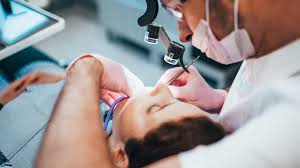
Restorative dentistry plays a key role in preserving and improving oral health by addressing damaged, decayed, or missing teeth. Through a range of procedures designed to restore function and structure, restorative dentistry not only enhances the appearance of a smile but also supports long-term dental stability. By preventing further complications and promoting proper bite alignment, these treatments contribute to overall oral well-being.

Restoring Functionality for Everyday Comfort

A broken or missing tooth can disrupt your normal chewing. Tooth restoration helps you bite naturally again without discomfort. Dentists use crowns or bridges to replace missing teeth, so you can eat your meals smoothly. Restoring your bite is necessary for digestion and overall nutrition.

Restorative dentistry fills these gaps and gives your tongue proper support. This helps you form words accurately and communicate with confidence. Daily actions like smiling should feel effortless, not strenuous. Unaddressed dental damage can make simple things difficult, but rebuilding your mouth’s structure removes these hurdles and restores oral health.

Preventing Further Oral Complications

When you leave a damaged tooth untreated, it can lead to further decay. Bacteria gather in cracks, and they break down your enamel. Restorative care fills these gaps and stops the decay from spreading. This protects nearby teeth from damage and can save you from more complex procedures later.

Leaving a tooth missing also causes problems. Adjacent teeth can shift out of place, misaligning your bite and creating new spots where plaque builds up. Implants or dentures hold the other teeth firmly, and they keep your dental arch stable.

Protecting your gums is just as key as fixing your teeth. Exposed roots or deep cavities can trap food, and this irritates your gum tissue. Dental restorations seal these sensitive areas, allowing your gums to heal and anchor your teeth securely.

Enhancing Long-Term Oral Stability

Reconstructive dentistry uses durable materials such as porcelain and titanium to create a stable oral environment. These materials mimic the strength of natural enamel, providing reliable performance and a long-lasting solution. By restoring your mouth’s original balance, you achieve a balanced bite. This distributes pressure evenly across your jaw and prevents uneven wear from favoring one side.

Consistent stability means fewer dental emergencies and simpler routine checkups. To maintain your restorative work, it’s necessary to follow good oral hygiene. Brush twice a day with a soft-bristled toothbrush, and floss daily to remove hidden debris. If you grind your teeth, wearing a night guard can protect your restorations.

Supporting Overall Health and Well-Being

Your mouth is the gateway to the rest of your body. Oral rehabilitation fixes decay before it affects your physical health. When you manage cavities, you reduce the bacteria your immune system fights. This conserves energy, and it lowers your risk of systemic inflammation.

Proper digestion also begins with chewing. Damaged teeth make chewing difficult, which strains your stomach and intestines. Fixing your bite helps you break down food for better absorption and allows your digestive tract to function more smoothly.

Your mental well-being is also tied to your smile. Chronic mouth pain drains your focus and dampens your mood. Addressing these problems relieves physical tension and boosts your self-esteem. You can engage more in social settings and experience a better quality of life.

Schedule Your Restorative Dentistry Consultation

Restorative dentistry offers numerous benefits that extend far beyond a simple aesthetic upgrade. Repairing damaged teeth restores your ability to eat and speak with total comfort. Replacing missing teeth prevents structural shifting and preserves the density of your jawbone over time. These treatments provide a comprehensive approach to maintaining your long-term oral stability.

If you experience any dental discomfort and home care is not effective, it is time to seek professional support. Book a consultation with a restorative dentist for a comprehensive assessment and a personalized treatment plan tailored to you. They will utilize advanced techniques to deliver effective results.

Innovations in Aesthetic Dermatology for Youthful Complexions

0

Aesthetic dermatology offers a range of treatments for aging skin. Technology advances rapidly, and dermatologists provide updated care. Although skin changes over time, modern treatments target specific issues. Patients explore these options during consultations.

Injectables and Microcannula Techniques

Injectables include Botox and dermal fillers. When doctors apply Botox, muscles relax, and wrinkles smooth out. Dermal fillers restore volume, and they structure the face. Providers often use a microcannula, which can be used for both facial and hand rejuvenation. Because a microcannula is blunt, tissue damage decreases, and patients experience less bruising. This aesthetic dermatology technique can reduce downtime, and it allows accurate placement of the injectable product. 

If individuals notice volume loss, fillers replenish the targeted areas. Facial contours can regain balance. These procedures are suited for forehead lines, crow’s feet, and other dynamic wrinkles. Some fillers use hyaluronic acid, which is naturally found in the skin. Specialists select the right type for each area. The approach may improve patient experience. Precise injections require thorough anatomical knowledge. Doctors measure exact doses, and they make a plan with your goals in mind.

Lasers and Chemical Peels

The Laser Excel V treats redness, and it targets vessels. Cosmetic lasers target various aesthetic dermatology concerns. If patients have uneven tone, professionals use lasers to improve skin texture. Fractional lasers treat acne scars, sun spots, and enlarged pores. While some lasers focus on pigment, other devices handle wrinkles. Certain technologies, such as non-ablative lasers, can stimulate collagen production, gradually making the skin firmer. When skin tightening occurs, cells rebuild over time. Chemical peels also address surface imperfections. Acids dissolve the outer layers, revealing smoother skin underneath. These peels treat discoloration, rough patches, or fine lines. Because peels vary in strength, specialists evaluate your skin and choose the right formula. Light peels exfoliate gently, but deeper peels penetrate several layers. Recovery times depend on the exact procedure. Post-procedure care involves hydration and cleansers, and it sometimes uses ointments to promote healing.

Innovations and Microneedling

Microneedling creates tiny controlled punctures. These micro-injuries prompt the body’s natural repair process, and new collagen forms in the treated area. Morpheus8 combines microneedling with radiofrequency, stimulating collagen while tightening underlying structures. Radiofrequency energy is delivered through fine needles, enabling targeted heating of deeper dermal layers and enhancing skin firmness more effectively than microneedling alone. PRP utilizes elements from your own blood. Because blood contains growth factors, the mixture repairs cells and refines the overall texture. Some patients pursue microneedling for issues like enlarged pores or mild acne scars, and radiofrequency adds an extra dimension for challenging skin concerns. As radiofrequency penetrates the dermis, proteins contract, and the underlying structure tightens. These combined therapies maximize efficiency. Providers customize the depth, and patients receive tailored energy levels.

Book Aesthetic Dermatology Today

A professional assessment defines your options, and every face requires a unique plan. Dermatologists provide guidance. Before you schedule a procedure, experts will answer questions. Since aesthetic dermatology involves medical procedures, safety remains paramount. Certified clinics provide proper care. Clear communication builds strong medical relationships. Contact a certified provider today.

Questions To Ask Your Gynecologist

0

Preparing for an appointment with a gynecology specialist can help patients make the most of their visit and address concerns. Asking the right questions can provide more information on symptoms and treatment options, leading to informed healthcare decisions. Here are key questions to ask your gynecologist during a gynecology appointment:

Ask About Preventive Care

Routine exams are the basis of preventive gynecology care. Doctors perform physical exams during these visits, and they review your family history to monitor potential risk factors. If you do not know how often you need screenings, ask your doctor for a specific timeline. You should also request details about specific tests, such as a Pap smear or a pelvic exam, so you know exactly what to expect.

Preventive medicine identifies potential issues before they advance. Medical guidelines update frequently, so ask your gynecologist about current recommendations. Annual evaluations provide a baseline for your overall physical condition. If the team notices any irregularities, the doctor orders further tests, and the clinic promptly notifies you of the results.

Discuss Menstrual and Reproductive Health

Cycle lengths vary among different individuals. You should track your periods each month and share this data with your gynecologist. When you discuss reproductive health, you can ask specific questions about fertility, and the gynecology specialist explains the medical facts. You can present the following inquiries during your evaluation:

  • What cycle variations require a clinical review?
  • How do specific birth control methods function?
  • Which fertility timeline applies to my current age?

The resulting answers to these questions help you establish a clear understanding of your bodily functions. Reproductive health requires ongoing monitoring and open dialogue. You can assess your current family planning goals and discuss these objectives with your provider. If you require specialized testing, the physician orders blood work, and the laboratory analyzes your specific hormone levels.

Raise Intimate Health Concerns

Physical changes require professional evaluation. Discussing intimate health concerns can be challenging at times, but your gynecology care provider expects these conversations. If you notice persistent discomfort, explain the exact location of the pain, and the doctor will perform the necessary diagnostic steps.

A thorough discussion prevents delays in proper diagnosis. You should describe your symptoms and the duration; the doctor relies on your accurate descriptions. While you wait for laboratory results, you can review the provided educational materials, and you can learn how to manage minor irritations at home.

Plan for Changes

Aging introduces new variables into your baseline health. Track shifts in your daily energy levels, and you should report these observations to your gynecology specialist. Since the risk for certain conditions increases with age, doctors may recommend targeted preventive screenings. When you understand these changing risks, you adapt your habits, and you maintain a stable baseline of physical wellness. Contemplate bringing these specific questions to your consultation:

  • What physical changes indicate the onset of perimenopause?
  • How do bone density screenings operate?
  • Which daily habits support long-term pelvic health?

You can use these answers to update your daily routines, and this knowledge guides your future health decisions as you age.

Schedule Your Gynecology Appointment Today.

Preparation remains a key element of effective gynecology care. Organize your thoughts before the visit, and bring a written list of topics to the examination room. When you maintain open communication, your doctor is able to provide precise guidance. Contact a qualified gynecologist near you to schedule your gynecology appointment today.