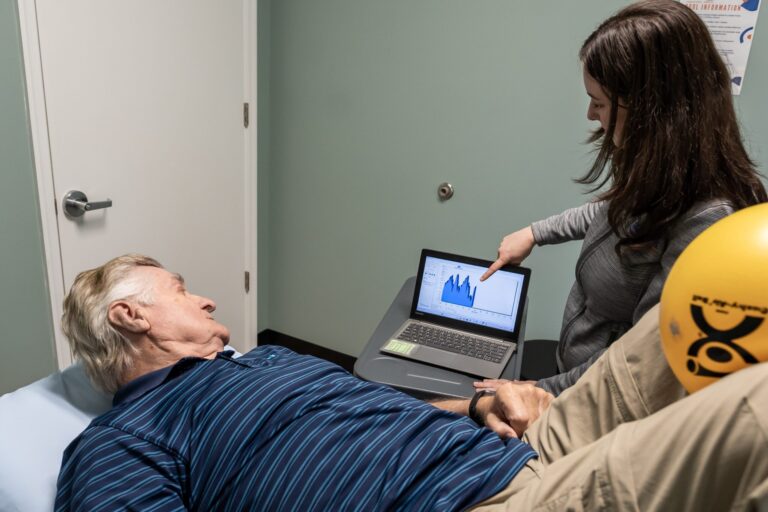

The Connection Between Physical Well-Being and Cardiology Care
Physical well-being involves maintaining a healthy body through regular exercise, and it plays a role in your overall heart health. Cardiology is a specialized branch of medicine that focuses exclusively on the heart, and it provides various treatments for cardiovascular diseases. Cardiologists offer preventive guidance and acute treatments to keep your cardiovascular system functioning properly. Here is more information about cardiology care and how it affects well-being:
Defining Physical Well-being
Physical well-being means keeping your body in good condition, and this process requires regular physical activity and a balanced diet. Because the heart pumps blood throughout your entire body, your daily habits directly affect your cardiovascular system. Patients seeking cardiology care learn that good nutrition and daily movement reduce the risk of severe heart disease.
Understanding Cardiology Care
Cardiology care focuses on diagnosing and treating heart conditions, and cardiologists are the medical doctors who specialize in this specific field. They evaluate symptoms like chest pain or shortness of breath. When a patient presents with these signs, the cardiologist conducts tests to identify the underlying problem.
Cardiologists manage a variety of conditions that affect the heart and blood vessels. Some common issues they treat include:
- High blood pressure
- Coronary artery disease
- Heart arrhythmias
- Heart failure
These specialists develop comprehensive treatment plans for their patients, and they monitor recovery progress over time.
Exploring Preventive Cardiology
Preventive cardiology focuses on lowering your risk for heart disease before a major cardiac event occurs. Doctors evaluate your family medical history, and they test your blood cholesterol levels. Because early detection saves lives, cardiologists prescribe lifestyle changes or medications to manage these known risk factors. Taking these steps early protects the heart from future damage.
Preventive heart screenings play a role in identifying cardiovascular issues before symptoms arise. These screenings often include tests such as electrocardiograms, or EKG, stress tests, and advanced imaging to assess heart health. By detecting abnormalities early, healthcare providers can implement targeted interventions to reduce the risk of heart attacks, strokes, and other cardiac events; regular screenings may be especially useful for individuals with a family history of heart disease or other risk factors such as high blood pressure or diabetes.
Exploring Acute Cardiology
Acute care addresses sudden and severe heart problems, and it typically involves immediate medical intervention. Heart attacks and sudden cardiac arrest fall into this urgent category. When a heart attack happens, doctors work quickly because they must restore blood flow to the heart muscle immediately.
Treatment for acute conditions involves rapid diagnostics and emergency procedures. Medical professionals might use the following acute interventions:
- Angioplasty and stenting
- Thrombolytic medications
- Coronary bypass surgery
These immediate actions save lives, and they can prevent permanent damage to the cardiac tissue. After the acute phase passes, patients transition back to long-term disease management programs. Long-term management may involve medication, such as ACE inhibitors or statins. Another option may be the implantation of a pacemaker as well as physical therapy for any post-surgical weakness.
Learn More About Cardiology Care
Physical health and heart health share a strong connection. Basic physical well-being depends on caring for your body to retain mobility, and preventive and acute heart treatments can help patients improve and maintain their heart health. Taking care of your body helps protect your cardiovascular system, but you might still need professional medical guidance. If you want to learn more about cardiology care, consult a cardiologist near you.
- How To Choose Between Rural Space And Suburban Convenience When Buying A Parker County, Texas Home
- When a Mobile App Should Take Over the Screen: Full-Screen Overlay UX Practices for 2026
- Before You Fall In Love With A South Florida Waterfront Home: A 2026 Buyer’s Due-Diligence Checklist
- Selling Your House in Franklin, New Hampshire: A Comprehensive 2026 Guide
- How to Reduce Stress When Selling Your Home: A Practical Guide