
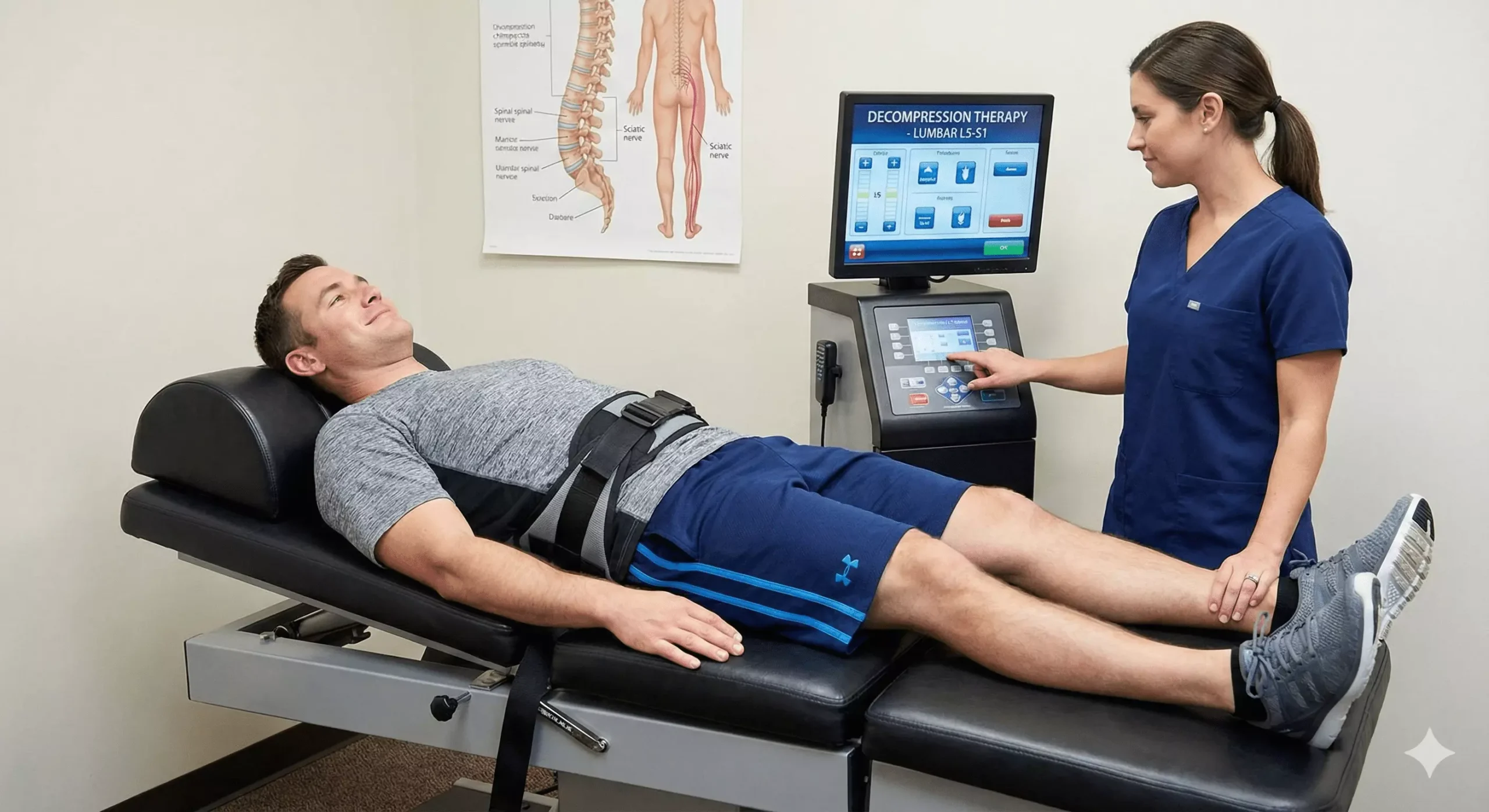
When to Seek Surgical Intervention for Sciatica
Sciatica causes significant lower back pain that disrupts your daily life. This uncomfortable condition may improve over time, but some cases require professional medical intervention. When pain lasts longer than six weeks, your healthcare provider may suggest surgery. Ask your provider if surgery is an option for you.
Duration of Sciatica Symptoms
Sciatica sometimes resolves, but the timeline varies from person to person. Some people improve quickly, while others take longer to get better. Your prognosis depends on your symptoms, age, health, and the initial cause of your sciatica. Mild cases improve with self-care, including gentle activity, over-the-counter pain relief, or exercises recommended by a healthcare professional. Symptoms may fade within weeks, but severe pain improves slower. Causes such as infections, injuries, or spinal stenosis can prolong healing time. Your routine and early attention to symptoms both influence your recovery. Keeping regular contact with your provider helps monitor health changes or recovery speed. If pain becomes chronic, further evaluation helps determine the best way to manage your symptoms. Every case is unique, and your provider will explain what to expect. A slower recovery may indicate potential underlying issues. Some patients face ongoing challenges, so healthcare providers closely monitor symptom progression.
Interventions and Qualifying Symptoms
Indicators for surgical intervention can include:
- Progressive muscle weakness in your leg or foot
- Significant or worsening numbness in the lower body
- Sudden inability to move your leg or foot
- Loss of bladder or bowel control
- Difficulty performing everyday activities due to weakness
- Sudden changes in sensation, such as rapid or severe numbness
- Trouble walking or climbing stairs
Some signs suggest you need surgery, such as muscle weakness, significant numbness, or sudden inability to move your leg. Serious symptoms require immediate medical review. Muscle weakness often indicates nerve compression, which warrants professional clinical assessment by your healthcare provider. You might find that walking becomes difficult, climbing stairs feels less secure, or performing everyday activities becomes harder as your weakness increases. Doctors carefully evaluate new weakness or loss of strength, so these symptoms may signal nerve involvement. If you develop severe numbness, trouble moving your foot, or changes in reflexes, talk to a medical expert right away. Loss of bowel control requires immediate attention.
Options for Surgical Treatment
Minimally invasive surgery is sometimes recommended for sciatica. Diskectomy relieves nerve compression when a herniated or bulging disk is present. In this procedure, surgeons remove either the entire disk or only the portion pressing on the nerve. This approach reduces leg pain and helps restore mobility, and it supports your return to daily activities. Diskectomy is sometimes performed as an outpatient procedure. The smaller incision may lead to a shorter recovery, and it reduces some risks.
Some people improve within days, though healing times vary, and full recovery can take weeks. Not every case benefits from diskectomy, so your team will review images and symptoms. An open conversation with your surgeon helps you understand outcomes and recovery. A laminectomy removes restrictive bone, and it may relieve pressure on your spinal nerves. When bone presses on nerves, a laminectomy expands the space. Healthcare teams specialize in comprehensive pain management. Treatment plans can address lower back pain, and they target underlying scoliosis or kyphosis.
Schedule a Sciatica Consultation Today
Your health requires careful professional medical attention. Talk with a healthcare provider, and discuss your specific sciatica symptoms thoroughly. If your pain does not improve, explore treatment options. Do not ignore progressive leg muscle weakness. Professional guidance aids proper care, and specialists accurately monitor your recovery timeline. Because untreated nerve compression can cause damage, you should schedule an evaluation.
- How To Choose Between Rural Space And Suburban Convenience When Buying A Parker County, Texas Home
- When a Mobile App Should Take Over the Screen: Full-Screen Overlay UX Practices for 2026
- Before You Fall In Love With A South Florida Waterfront Home: A 2026 Buyer’s Due-Diligence Checklist
- Selling Your House in Franklin, New Hampshire: A Comprehensive 2026 Guide
- How to Reduce Stress When Selling Your Home: A Practical Guide