Natural Remedies for Treating Fungal Nails
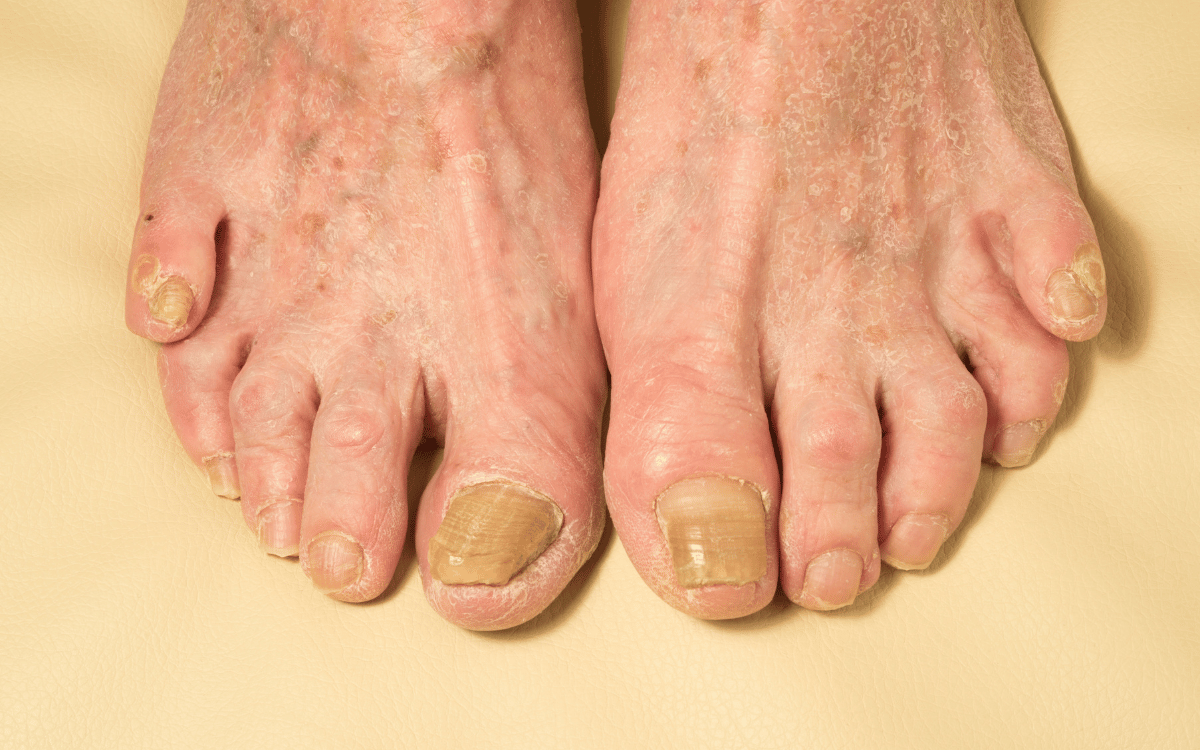
Fungal nails cause yellowing and thickening of the toenails. Fungi thrive in dark environments, and they penetrate the hard keratin surface. When these visual changes appear, individuals often seek treatment, and some explore natural options. Fungal infections resist quick fixes. The infection lives deep inside the tissue, and treatment requires sustained attention. Toenails grow slowly, so consistent applications over several months are necessary for effectiveness. Mild cases sometimes respond to topical remedies. Patients may select therapies that are accessible, and they follow instructions carefully to reduce fungal growth. Without proper care, the infection can spread, and the affected nail may deteriorate further.
Fungal Nails Ointments
Topical ointments provide an alternative approach for mild fungal nails. Many individuals apply these treatments to the affected toenails, and they cover the area with socks. These products act slowly, and daily application is necessary for noticeable improvement. Users spread the ointment across the nail surface, and they leave it in place according to instructions. The treatment softens the hard keratin layer, and this allows the antifungal agents to penetrate deeper into the nail. Ointments coat the nail and surrounding tissue, and the physical barrier helps limit fungal growth. If applications stop prematurely, the infection may persist, and additional treatment cycles are required.
Acidic Soaks
Acidic soaks alter the pH of the affected nail and surrounding skin. People mix plain vinegar with warm water, and they soak their feet in the solution. Since fungi grow best in certain pH conditions, the acidity can slow their growth, and the infection may gradually improve. Soaks require consistent daily application. Patients submerge their feet for about twenty minutes, and they repeat this process each day. Vinegar is a common household item, and its mild acidity gently exfoliates dead skin. The liquid penetrates the cuticles, reaching superficial fungal colonies. Because the solution evaporates quickly, patients dry their feet thoroughly, and they apply standard moisturizers afterward.
Plant Extracts
Plant extracts act as natural antifungal agents. Users apply concentrated tea tree oil to the affected nails, and they cover the area if needed. The liquid contains natural antiseptic properties, which may slow fungal growth, and the surrounding tissue can improve gradually. The treatment requires a clean applicator. Individuals use cotton swabs to dab the oil, and they discard the swab immediately after use. Some users experience mild irritation, and allergic reactions are possible in sensitive individuals. The oil spreads across the nail surface, reaching small cracks in the nail. When diluted with carrier liquids, irritation decreases, and the daily application becomes more tolerable.
Talk to a Professional
Home remedies are most effective for mild fungal infections. Prescription therapies offer more reliable results, and clinics may provide specialized laser treatments. Oral medications target the fungus systemically, achieving higher cure rates, and doctors monitor patients for side effects. Natural options generally manage superficial symptoms. Fungal clearance can take several months, and the nail gradually grows out completely over time. Home treatments alone may not fully resolve the infection, and the fungus can spread to other nails. Consulting a podiatrist early allows accurate diagnosis. Patients describe their symptoms, and the clinician develops a tailored treatment plan. Talk to a professional to learn more and find treatments.
- How To Choose Between Rural Space And Suburban Convenience When Buying A Parker County, Texas Home
- When a Mobile App Should Take Over the Screen: Full-Screen Overlay UX Practices for 2026
- Before You Fall In Love With A South Florida Waterfront Home: A 2026 Buyer’s Due-Diligence Checklist
- Selling Your House in Franklin, New Hampshire: A Comprehensive 2026 Guide
- How to Reduce Stress When Selling Your Home: A Practical Guide